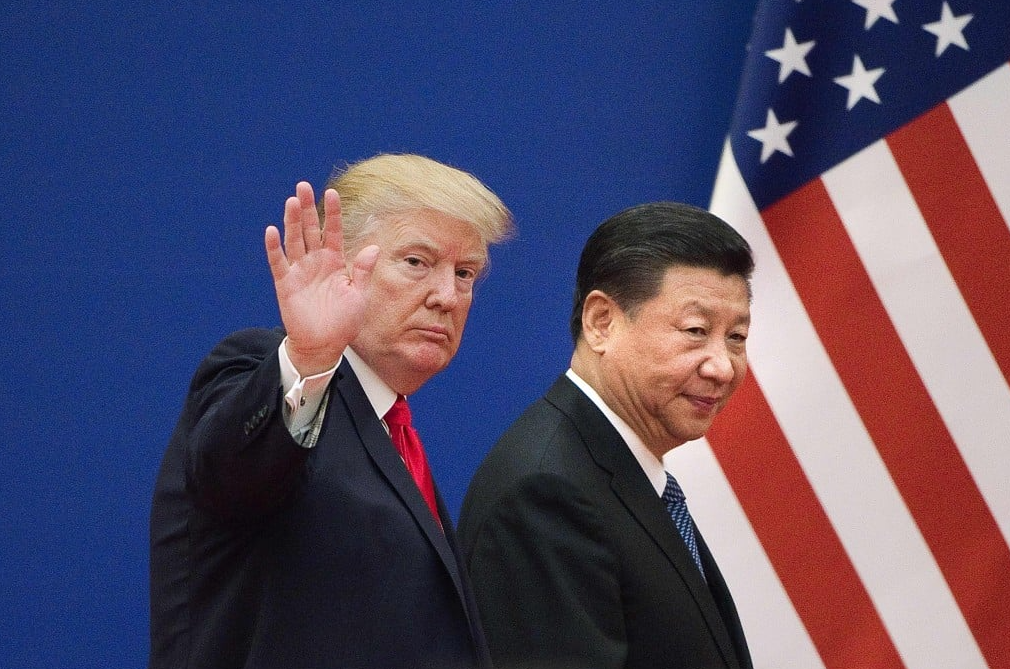
For most of 2025, China has been buying soybeans from everywhere except the United States. Cargoes that once sailed from Louisiana to Shanghai have been replaced by shipments from Santos and Rosario. When the new U.S. harvest came in this September, the silence continued. Not one new booking. The Gulf terminals stayed quiet.
It wasn’t because of price or quality. It was choreography. Beijing was sending a message through omission — showing Washington that even the most ordinary trade flow can become a pressure point.
On paper, soybeans are an agricultural sideshow. In practice, they are a perfect metaphor for the age we’ve entered. The Cold War was built on nuclear deterrence; this one is built on supply chains.
The leverage not only sits in missile silos, but also in grain silos.
And that’s the point. If the world’s largest buyer can walk away from America’s signature crop for a season, what happens when the same tactic is applied to the building blocks of national power — semiconductors, lithium, rare earths, gallium, or AI hardware? The soybean standoff is a preview of something larger: an era where the threat isn’t annihilation, but interruption.
Remaining content is for members only.
Please become a free member to unlock this article and more content.
Subscribe NowAuthor

Stanford Nix is COO of Atlas, leading operations & government relations. When not running Atlas he writes on economics, grand strategy, and U.S. politics. Separately, he invests across the U.S. defense industrial base and holds an MBA in finance.
Sign up for Atlas newsletters.
Stay up to date with curated collection of our top stories.