Qatari mediators handed Iran a new draft deal on Sunday, Reuters reported early Wednesday, citing an official briefed on the talks. The official said the draft sets a seven-day timeline of daily confidence-building steps for each side, could begin early next week and would have unnamed guarantors. Tehran is expected to reply by the end of the week.
Hours later, Reuters carried a different account. A senior Iranian official said Qatar had not presented a new peace proposal and had instead come with “unacceptable” ideas, and that Tehran would show no flexibility on the nuclear issue. Neither official is named, the two accounts stand unreconciled, and the text of the draft has not been made public.
On the record, Foreign Ministry spokesman Esmaeil Baghaei said Monday that “the American side is not serious about negotiations.”
What Washington has said
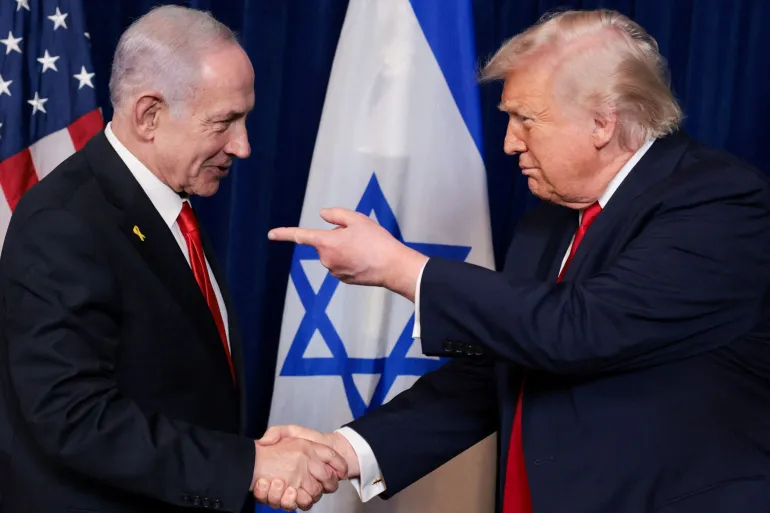
In a phone interview on Fox News’ “Sunday Morning Futures,” President Donald Trump told host Larry Kudlow: “Do I make a deal with them or do I finish them off?” At a rally in Lubbock, Texas, on Tuesday he said the war ends “whenever I want it to end,” CNBC reported, and he added, “You’ll see Iran in a couple of weeks, if you don’t mind.” Asked overnight at Joint Base Andrews whether he plans to attack after the election, he said he could not say, but that “anything’s possible,” Fox News reported.
The White House has given two signals of its own. Last week, spokeswoman Anna Kelly said the United States “will not be attacking Iran at any time prior to the midterm elections.” Responding to the Journal’s report this week, the White House declined to discuss “sensitive military plans that may or may not exist” and said Trump “keeps all options on the table to ensure that Iran can never have a nuclear weapon.”
What the planning reports describe
The Journal reported late Tuesday, citing people briefed on the conversations, that the U.S. has told several Gulf Arab countries to prepare for a short, intense campaign after the Nov. 3 midterms. People familiar with Trump’s thinking told the paper he has not decided but is leaning toward a large postelection attack that could target Iranian infrastructure and nuclear sites. The alternative, the Journal said, would be to cut a deal, though mediators have had little luck so far.
Officials familiar with the moves told the Journal the U.S. is bringing in a Patriot system from Texas and has moved troops off bases where they were vulnerable. U.S. officials have said since Oct. 1 that an additional carrier strike group and Marine expeditionary unit are headed to the region, and the Journal said they are poised to join roughly 20 other warships there next month.
The New York Times reported earlier, as relayed by CNBC, that U.S. and Israeli forces have drawn up plans for a “short but intensive” operation after the vote.
The cost at home
An estimate puts the war’s cost to the U.S. military at no less than $47.1 billion as of mid-October, a figure CBS News attributes to U.S. Central Command and Reuters to internal Defense Department data. About $29 billion of that is for replacing munitions. The Congressional Budget Office said in September that the war could cost $2 billion to $3 billion a month while it continues.
Moody’s Analytics economist Mark Zandi estimated on Oct. 12 that the war has cost the average American household about $2,000 so far, including $1,100 in higher energy costs, $540 in higher interest costs and $360 in added military spending. A Reuters/Ipsos poll released Monday put Trump’s overall approval rating at 32%.
The Gulf, Hormuz and oil
On Wednesday, U.S. Naval Forces Central Command advised ships with no need to transit the Strait of Hormuz to stay well clear, and said neutral vessels could face questioning and searches under the U.S. blockade, Bloomberg reported. Bloomberg counted almost 30 Iranian attacks on ships in October, a wartime high.
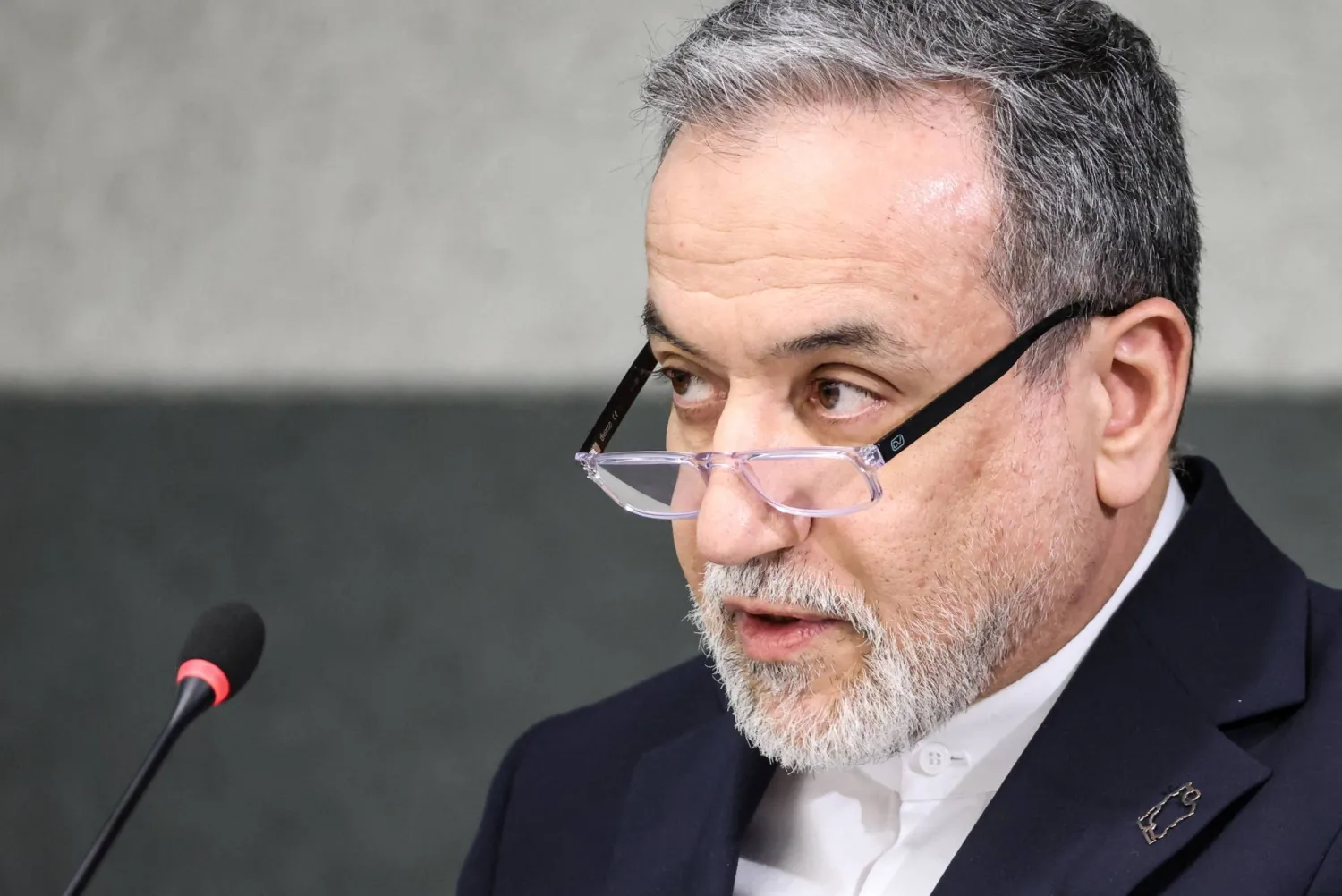
At about 6:15 a.m. Central, Reuters had Brent crude at $115.19 a barrel, up 1.2%, and U.S. West Texas Intermediate at $101.65, up 1.8%. Foreign Minister Abbas Araghchi, writing on X from Moscow, said the “devastating impact on int’l markets of any Israel-instigated military misadventure in Persian Gulf region remains major concern for both gas suppliers and consumers.”
Yemen’s Houthis said Tuesday that a ballistic missile hit Saudi Arabia’s Ras Tanura refinery and set it ablaze. Saudi authorities did not immediately confirm the strike, Reuters reported. Bloomberg, citing a person familiar with the matter, said Saudi Arabia had contained a fire near the terminal, and the security firm Vanguard said a fire in the area had reportedly been contained. Neither confirmed a missile hit.
Early Wednesday, Houthi spokesman Yahya Saree called on people at Aden airport in southern Yemen to evacuate immediately, saying a Saudi military cargo aircraft there was carrying weapons. Reuters reported that residents had heard explosions in Aden before the warning and that Saudi authorities had no immediate comment.
Author

We cover the world’s chaos so you don’t have to scroll twelve feeds to understand it.
Sign up for Atlas newsletters.
Stay up to date with curated collection of our top stories.