Qatar's prime minister said mediators have brought the United States and Iran closer to a renewed ceasefire framework than at any point since fighting resumed, while cautioning that unresolved disputes over the Strait of Hormuz and the sequencing of sanctions relief mean an agreement is "not done until everything is signed."
Sheikh Mohammed bin Abdulrahman Al Thani, who also serves as foreign minister, delivered the update at a press conference in Doha following a week of shuttle diplomacy that included separate meetings with Iranian negotiators and White House envoys. He said the parties are working from a single draft text for the first time since the June interim deal collapsed, describing the document as covering "maritime security, de-escalation steps, and a pathway back to the broader issues."
"We are closer than we have been, and we are not there," he said. "Both sides have taken decisions in recent days that were not easy. What remains is difficult, but it is a shorter list than it was two weeks ago."
The Qatari update is the most detailed public accounting yet of negotiations that have proceeded almost entirely behind closed doors, mediated by Qatar and Pakistan with Egyptian and Omani involvement, since Washington paused its air campaign and the two sides stepped back from the exchange of strikes that followed the collapse of the interim arrangement.
What the Draft Covers
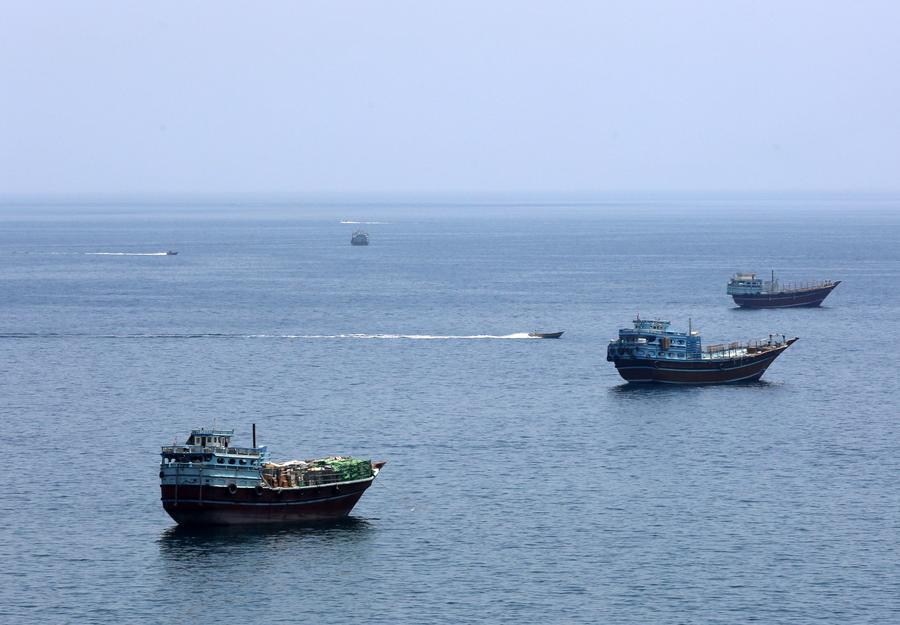
According to the prime minister, the working text addresses the war's central flashpoint first: transit through the Strait of Hormuz. He confirmed that the draft builds on the Omani-Iranian discussions over a management mechanism for the waterway, under which navigation would resume under agreed protocols while questions of fees and administration are deferred to a joint technical committee.
"The principle both sides have accepted is that the strait reopens, ships move, and the arguments continue at a table rather than at sea," he said. He declined to say whether the mechanism includes the service-fee arrangements Iran has sought, saying the technical annexes remain under negotiation.
The draft also provides for a mutual halt to military operations, the release of detained mariners and vessels seized during the blockade period, and a schedule of reciprocal steps in which specified US sanctions relief tracks verified Iranian actions. The prime minister said the sequencing chapter — which side takes which step first — remains "the hardest part of the text," echoing the dispute that has stalled each previous round.
He said the draft intentionally sets aside Iran's nuclear program for a subsequent phase, a structure both capitals have criticized publicly but accepted in practice. "You cannot solve in one document what has not been solved in twenty years," he said. "What this document can do is stop the fighting and open the door."
Signals From Washington and Tehran
The White House offered measured confirmation. A senior administration official said the US "has seen more seriousness from Tehran in the past two weeks than in the previous two months," crediting the pressure of the campaign and the blockade's economic toll, while repeating President Donald Trump's warning that strikes would resume "at a moment's notice" if talks fail. Trump himself, asked about the Qatari statement, said: "We'll see what happens. Qatar has been fantastic. If Iran wants a deal, there's a deal to be made."
Iran's foreign ministry acknowledged progress in narrower terms. Spokesman Esmail Baghaei said "indirect exchanges through mediators have produced convergence on some issues," while insisting Iran's "sovereign rights in its territorial waters are not negotiable" and repeating that Tehran does not consider itself in direct negotiations with Washington. State media in Iran emphasized the deferral of the nuclear file and framed the maritime mechanism as recognition of Iranian authority over the strait — a characterization at odds with the US position that the waterway must return to its prewar status.
The gap in public framing, diplomats in the region note, has been a feature of every stage of the process, with each capital describing the same provisions in the vocabulary its domestic audience requires. The Qatari prime minister addressed the pattern obliquely: "We do not ask the parties to describe the agreement the same way. We ask them to implement it the same way."
The Pressure of the Calendar
Several clocks bear on the talks. The interim deal's original 60-day window has effectively lapsed, leaving the process without an agreed legal framework — one reason, mediators say, for the urgency of concluding the new text. In Washington, congressional pressure is mounting from both directions: war-powers advocates pressing to constrain operations, and defense hawks seeking supplemental funding should strikes resume, all against midterm elections in November and polling that shows majorities opposed to the war.
The economic strain compounds the timeline. The blockade and counter-blockade have kept oil prices elevated and shipping insurance rates at multiples of their prewar levels, and Gulf states — Qatar among them — have absorbed repeated spillover, from drone attacks on Saudi infrastructure to strikes near their own waters. The prime minister was direct about the mediators' stake: "Every week this continues, the region pays. We are not neutral about the outcome. We are neutral between the parties."
He said Qatar has proposed a signing framework under which the ceasefire provisions would take effect immediately upon agreement, with the maritime mechanism phased in over subsequent weeks under third-party monitoring. He would not set odds on success. "I have been asked whether I am optimistic many times in this job," he said. "I will say only that the distance is shorter than it was."
What to Watch
The next steps, according to officials familiar with the schedule, are a further round of technical talks on the maritime annexes and a decision in both capitals on the sequencing chapter — the point at which each previous draft has foundered. Mediators have declined to set a deadline, wary of repeating the collapse that followed the interim deal's expiring clock.
Unresolved, too, is the question of spoilers. Attacks by Iran-aligned groups in Iraq and Yemen have punctured previous lulls, drawing responses that reset the diplomatic board, and US officials say they will hold Tehran responsible for proxy action during any ceasefire. The draft, the Qatari prime minister confirmed, contains language on the issue; he called it "among the provisions that required the most discussion," and left it there.
For now, the fighting remains paused, the text remains open, and the mediators continue to move between capitals. "The parties know what the remaining decisions are," Sheikh Mohammed said. "No one can take them on their behalf."
Author

We cover the world’s chaos so you don’t have to scroll twelve feeds to understand it.
Sign up for Atlas newsletters.
Stay up to date with curated collection of our top stories.