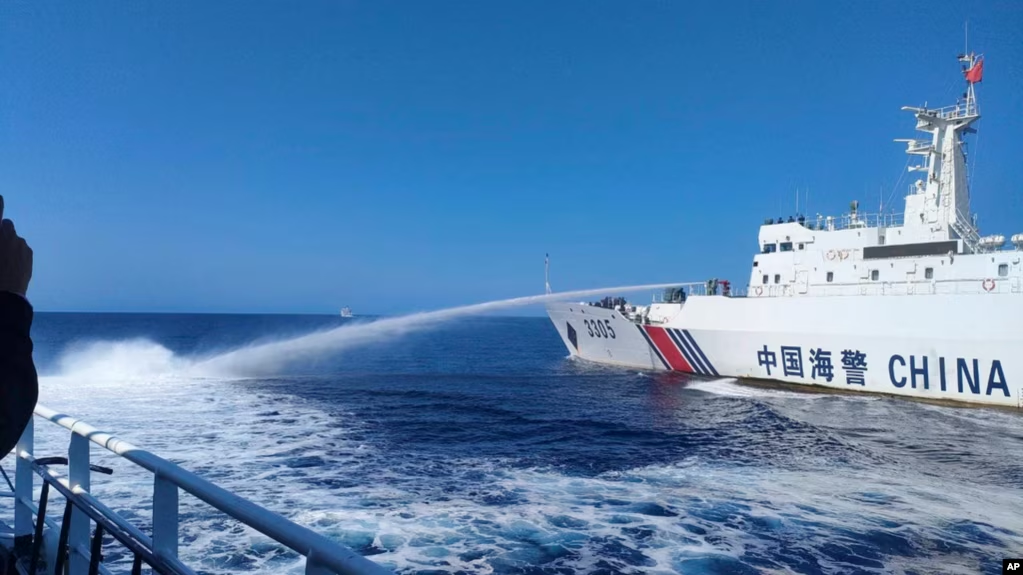
China is running a new pattern of Coast Guard patrols on Taiwan’s Pacific side, pressing the island from the east rather than only across the Taiwan Strait. Tracking compiled in regional reporting shows an average of about two Chinese cutters a month east of Taiwan since June, after Tokyo and Manila advanced plans on their own maritime borders. In the data set cited, these are the first such eastern patrols since January 2025.
The operating area covers roughly 27,100 square nautical miles. Ships have been observed about 30 nautical miles off Taiwan’s eastern coast, outside waters Taipei claims as its own. That belt is a major route toward the United States and other partners — the open-ocean approach for trade, undersea cables, and any reinforcement that would not come through the strait.
The patrols treat the Pacific face of Taiwan as a recurring Chinese Coast Guard operating area, not a rare transit.
Beyond The Strait And Onto The Pacific Face
For years the densest Chinese activity sat in the strait and around outlying islands. Eastern patrols change the geography of pressure. They sit on the side Taiwan uses to face Japan, Guam, and sealanes that do not require passage between the island and the mainland.
Coast Guard hulls, rather than only navy destroyers, give Beijing a gray-zone tool. Cutters can loiter, board, and assert administrative presence without the optics of a full naval blockade. Taiwan still has to scramble responses. Insurers and shippers still have to price risk on routes that once drew less attention than the strait.
An average of two cutters a month is not a permanent picket line. It is enough to normalize presence and to test how Taipei, Washington, and Tokyo react when the pressure is east, not west.
Why The Timing Tracks Japan And The Philippines
The June uptick followed maritime-border planning by Japan and the Philippines, according to the same regional accounts. Beijing has long objected to tighter coordination among U.S. allies along the first island chain. Sending cutters east of Taiwan links that objection to Taiwan’s Pacific approaches, where allied reinforcement and Taiwanese trade both run.
The patrols do not, by themselves, close those routes. They raise the cost of assuming the east coast is a quiet rear area. A Coast Guard ship thirty nautical miles out is close enough to watch and signal, far enough to stay outside Taiwan’s claimed waters and to argue that the activity is high-seas law enforcement rather than a territorial grab.
That legal framing is part of the pressure. So is the calendar: sustained monthly presence after a long gap since early 2025.
A Lifeline Under Watch
Eastern Taiwan’s ports and approaches matter for energy, container traffic, and cable landings that tie the island to partners across the Pacific. U.S. and allied planning for any Taiwan contingency has long treated the east as the direction from which support would most likely come. Chinese cutters in that box complicate the picture without firing a shot.
Taipei has to decide how often to shadow, warn, or publicly map the patrols. Over-reaction risks looking alarmist about ships outside claimed waters. Under-reaction risks letting a new pattern harden. Washington and Tokyo face a parallel choice about whether eastern Coast Guard activity triggers the same diplomatic tempo as strait incursions.
What The Record Shows And What It Does Not
Confirmed in the cited tracking: renewed Chinese Coast Guard patrols east of Taiwan; about two cutters a month on average since June; first such patrols in that data since January 2025; an operating area of roughly 27,100 square nautical miles; ships about 30 nautical miles off the eastern coast, outside Taiwan-claimed waters; timing after Japan–Philippines maritime border plans.
Soft or unresolved: whether the tempo will rise toward a standing presence; whether navy ships will follow the cutters east in larger numbers; and how Taiwan and its partners will answer a gray-zone campaign aimed at the Pacific approaches rather than the strait alone.
China is adding Coast Guard presence on Taiwan’s Pacific side as well as across the strait. The cited tracking shows that eastern pattern recurring since June. How Taipei, Washington, and Tokyo treat those cutters — as routine high-seas activity or as a new pressure line — remains open.
Author

We cover the world’s chaos so you don’t have to scroll twelve feeds to understand it.
Sign up for Atlas newsletters.
Stay up to date with curated collection of our top stories.



