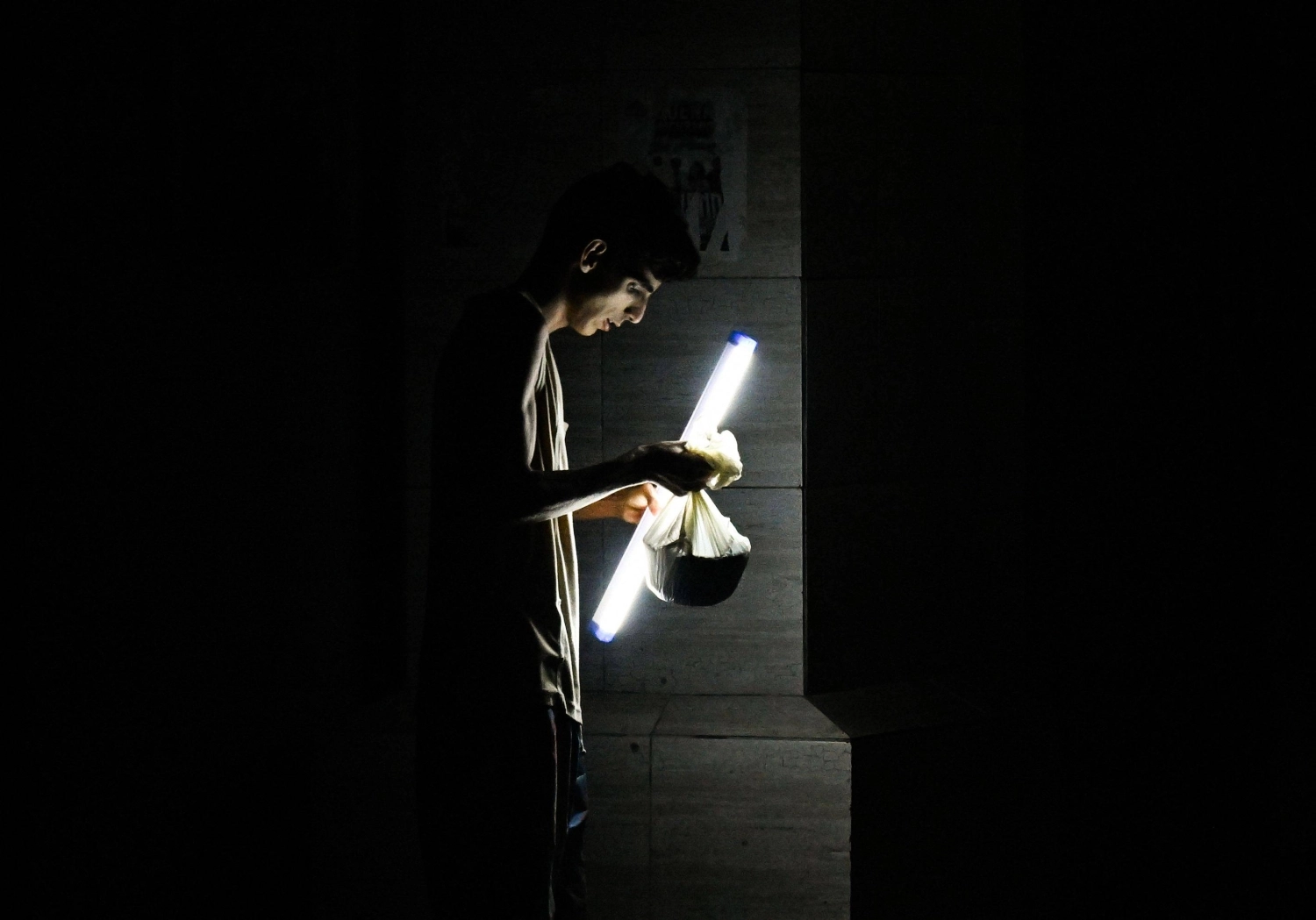
Cuba's national power grid collapsed again Tuesday, plunging the island of roughly 10 million people into its third total blackout in nine days and its fifth of the year. "There has been a total disconnection of the electrical system," the Ministry of Energy and Mines said. The grid went dark around 11 a.m., and by evening only a sliver of the country had power back.
The immediate cause, officials said, was a fault at a single generating unit. The deeper cause is a fuel crisis with no end in sight, worsened by a US oil blockade that has left the island unable to feed its aging power plants.
What Happened Tuesday
The state-owned Electric Union said a problem at a generating unit in the eastern province of Holguín triggered "a sudden frequency change" that brought down the entire National Electric System, known by its Spanish acronym SEN, near midday. Both the Electric Union and the energy ministry said restoration protocols had been activated, meaning crews were setting up isolated "micro-islands" of generation and then linking them to feed priority sites first, chiefly hospitals and food-processing plants.
Recovery was slow. By afternoon, authorities said just 4 percent of Havana had electricity. The provinces of Guantánamo and Cienfuegos reported they had begun supplying power to hospitals, and Matanzas said the historic center of its capital was back online. In both of last week's blackouts, it took more than 24 hours to restore power nationwide; in Havana, some outages ran past 30 hours, and in outlying provinces electricity did not return for several days.
The outages ripple far beyond lighting. They cut water supply when pumps fail, knock out internet and phone service, and stop people from cooking. Public transportation has largely halted, work hours have been shortened, flights have been canceled, and officials have called off tens of thousands of surgeries.
A Grid Starved of Fuel
Cuba produces only about 40 percent of the oil it consumes, leaving it heavily dependent on imports that have all but dried up. The Electric Union says fuel shortages have made the grid more prone to collapse and have rendered emergency generators nearly useless, since there is no fuel to run them.
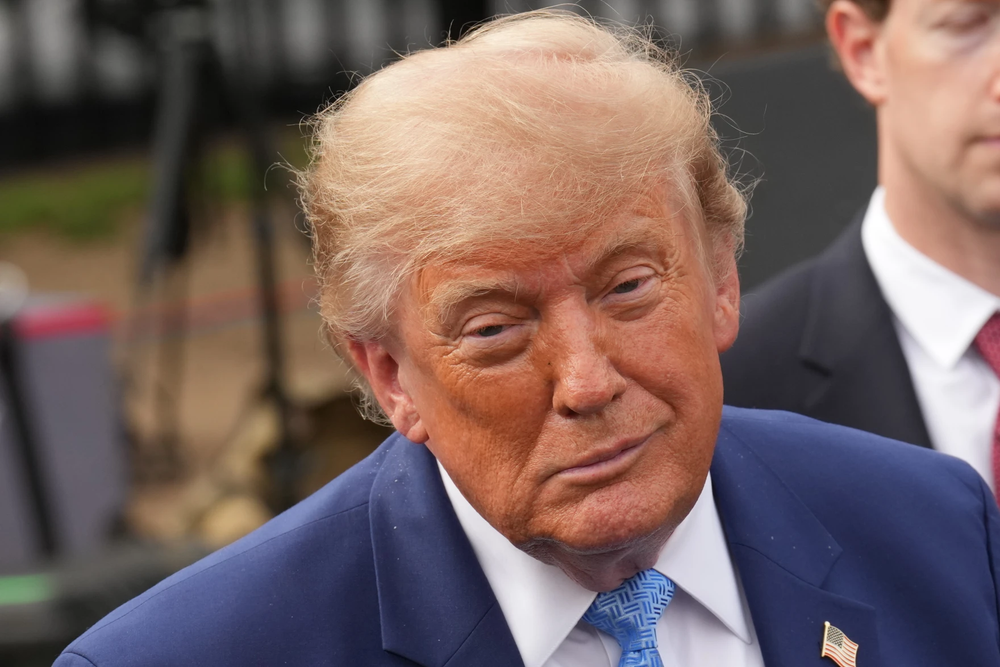
The shortages trace to January, when President Trump imposed what amounts to an oil blockade on the island and threatened tariffs on any country that sells or supplies oil to Cuba. Venezuela, long Cuba's main provider of subsidized crude, stopped shipments after US forces removed Venezuelan President Nicolás Maduro from power on January 3 and brought him to the United States to face federal charges. Maduro had been a staunch Cuban ally. Under US pressure, Mexico also halted its oil shipments to the island.
Since then, Washington has authorized just one delivery: a Russian tanker carrying 100,000 tons of crude that arrived in March. Those reserves are long exhausted, and no solution for imports is yet in sight. Much of Cuba's electrical infrastructure dates to the 1960s and 1980s, and it was already faltering before the fuel ran short.
Two Governments, Two Explanations
Havana and Washington blame each other. President Miguel Díaz-Canel accused the United States of trying to engineer "a social explosion through asphyxiation" by choking off fuel. Cuba's foreign trade minister, Oscar Pérez-Oliva Fraga, went further when asked about the humanitarian toll, calling the US pressure campaign "collective punishment" and "a genocide."
The Trump administration frames the squeeze as leverage. It says the measures are meant to force Cuba's communist government to open its political system, hold democratic elections, release those it calls political prisoners, and permit direct foreign investment. US Ambassador Michael Waltz, speaking at a UN General Assembly debate on the sanctions last week, put the blame on Havana. "Change your ways and turn the lights back on for your people," he said.
The pressure extends beyond oil. The administration has ramped up sanctions on Cuban state-owned businesses, prompting many foreign companies to suspend operations, and has indicted former president Raúl Castro over the downing of two civilian planes three decades ago. Last month, Cuba's National Assembly approved a broad package of economic reforms; a State Department spokesperson dismissed them as "modest, long overdue and ultimately superficial smoke signals," while a Cuban trade official said they were not a response to US pressure.
Frustration on the Streets
For ordinary Cubans, the blackouts have become a grinding fact of life, and patience is wearing thin. "This is already the third collapse of the national electricity system this week," said Julia Valdés, 70, who said she had thrown out spoiled meat and fish while caring for a bedridden mother with dementia. "How much longer is this going to last? We can't go on living like this anymore."
Others described a numb resignation. "These blackouts are normal in Cuba now. If something else happened, it would be strange," said Roberto Liana, 69, a store clerk. Maria Caridad Alvarez, 62, said she had cooked beans in the morning when the power briefly returned, only to lose it again by midday. "It feels like there is no solution," she said. Sayli Aguilera, 25, a mother of two, put it simply: "We're improvising and doing what we can."
The chronic failures have fed nightly pot-banging protests, and in the worst-hit areas some residents have set trash fires in the street. Just a week earlier, scattered protests broke out across Havana, with people shouting "turn on the lights." Many families who can afford it have installed solar panels and portable batteries, and electric motorcycles and solar-powered tricycles have become a common way to get around a country where the pumps, the refrigerators, and the streetlights can no longer be counted on to stay on.
Diplomatically, the two sides remain at an impasse. Despite several rounds of talks in recent months, including a May visit to Havana by CIA Director John Ratcliffe, Cuban Foreign Minister Bruno Rodríguez said late last month that "no progress" had been made.
Author

We cover the world’s chaos so you don’t have to scroll twelve feeds to understand it.
Sign up for Atlas newsletters.
Stay up to date with curated collection of our top stories.