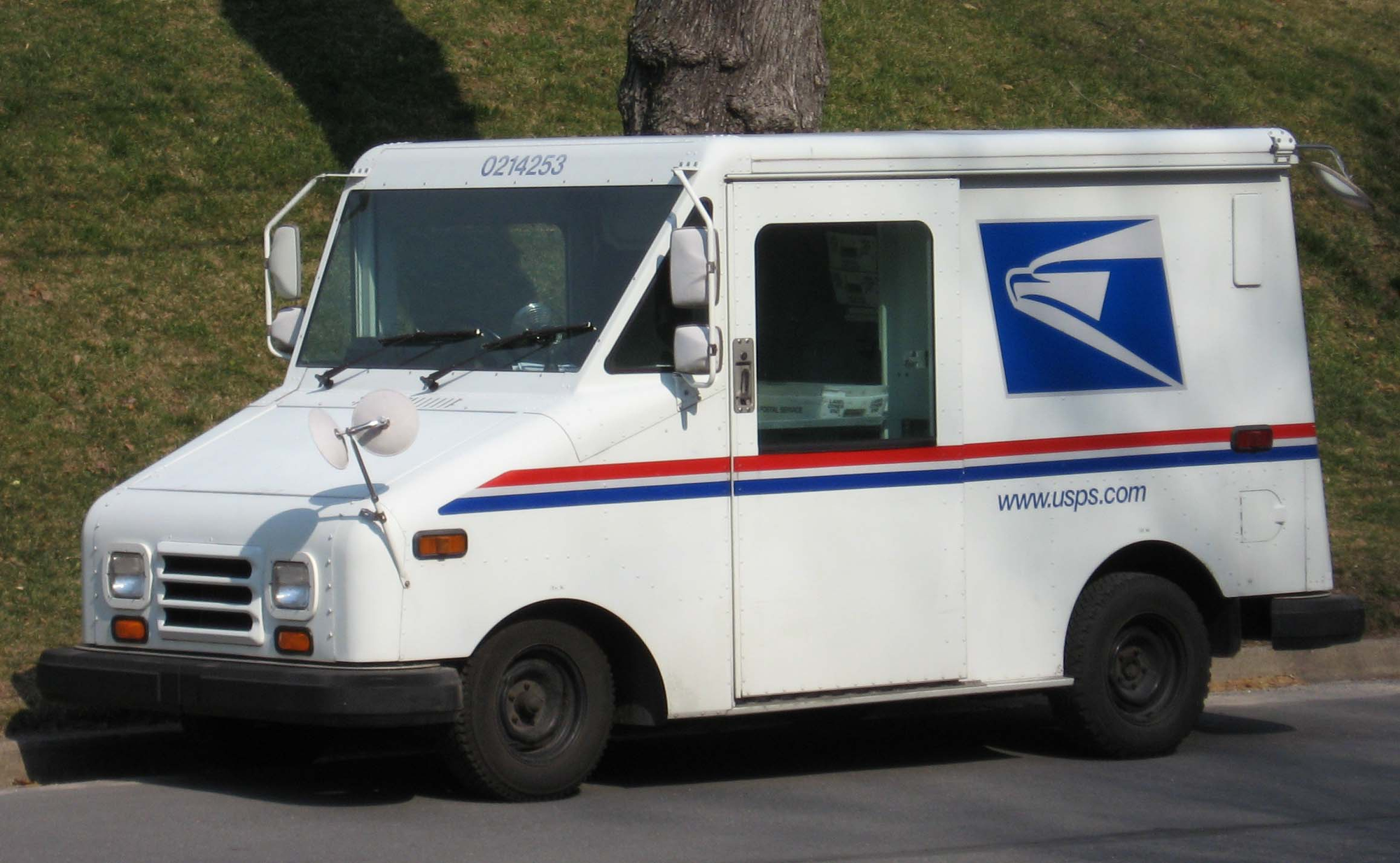
A federal judge in Massachusetts on Friday issued a preliminary injunction blocking a final U.S. Postal Service rule on mail ballots from taking effect for the Nov. 3 midterms. U.S. District Judge Indira Talwani found the challengers were likely to show the rule is unlawful and unconstitutional, that the record before her did not establish fraud justifying the change, and that disenfranchisement was practically inevitable if the rule stood.
The rule would have required approved envelope designs and portal uploads of voter data, with the Postal Service able to refuse delivery when those conditions were not met. States and voting-rights groups argued the timing alone made compliance impossible for an election already underway in parts of the country.
North Carolina began mailing ballots on Friday, the same day as the injunction. State Attorney General Jeff Jackson warned of chaos if postal workers were suddenly told to reject ballots that did not meet the new design and data rules.
What The Rule Would Have Required
The Postal Service finalized the mail-ballot rule in late August. It grew out of a March 31 executive order on election integrity and followed months of litigation over how far the administration could go in regulating the physical form of ballots moving through the mail.
Under the final version, election officials would need envelope designs approved in advance and would have to upload voter information through a postal portal. Without those steps, the service reserved the right not to deliver the ballots. Supporters cast the requirements as anti-fraud safeguards. Opponents called them a last-minute barrier that would strand lawful votes.
Talwani’s order applies to the midterms. It does not permanently erase the rule from the books. It stops enforcement while appeals proceed and while ballots are already moving.
The Case Is Already At The Supreme Court And The First Circuit
The legal fight did not start Friday. The administration, through Solicitor General D. John Sauer, was already at the Supreme Court on Thursday seeking relief in the broader dispute. Justice Ketanji Brown Jackson set a deadline for responses of 10 a.m. Eastern on Tuesday, Sept. 8.
An earlier chapter of the same fight produced a 6-3 Supreme Court stay that treated a prior lower-court order as premature. The Postal Service then finalized the rule in late August, resetting the clock. After Talwani’s injunction, the Justice Department moved to appeal to the U.S. Court of Appeals for the First Circuit.
The dual track matters for election administrators. Even with a district-court injunction in hand, they face the possibility of appellate or Supreme Court action in the days when overseas and absentee ballots are already in the mailstream.
States Caught Between Ballots And Appeals
North Carolina’s Friday mailing illustrated the practical problem Talwani cited. Once ballots leave election offices, a sudden change in what the Postal Service will accept cannot be fixed with a new envelope design overnight. Other states with early outbound mail face the same bind if a higher court revives the rule midstream.
North Carolina Attorney General Jeff Jackson’s warning about chaos was aimed at that gap between legal theory and postal operations. The administration argues the rule is a lawful integrity measure tied to the March executive order. Election officials argue the midterms cannot be a live test of portal uploads and envelope approvals imposed weeks before Election Day.
Talwani sided with the latter risk assessment for now. She found no adequate fraud record in the materials before her to justify the disruption and said unlawful disenfranchisement was the likelier outcome if the rule stayed in force.
What Remains Open Before September 8
Tuesday’s Supreme Court response deadline and the First Circuit appeal will decide whether Friday’s injunction holds through the midterms. Confirmed for now: Talwani blocked the final rule for November, North Carolina had begun mailing, the solicitor general was already at the high court, and the Justice Department is appealing.
Soft or unresolved: whether the Supreme Court will again stay a lower-court order, whether any state will see ballots refused if the rule snaps back, and how many jurisdictions had already locked envelope stock before the late-August finalization.
The midterms will be run under whichever rule is standing when the next appellate order lands. Friday’s decision keeps the old delivery practice in place until then.
Author

We cover the world’s chaos so you don’t have to scroll twelve feeds to understand it.
Sign up for Atlas newsletters.
Stay up to date with curated collection of our top stories.



