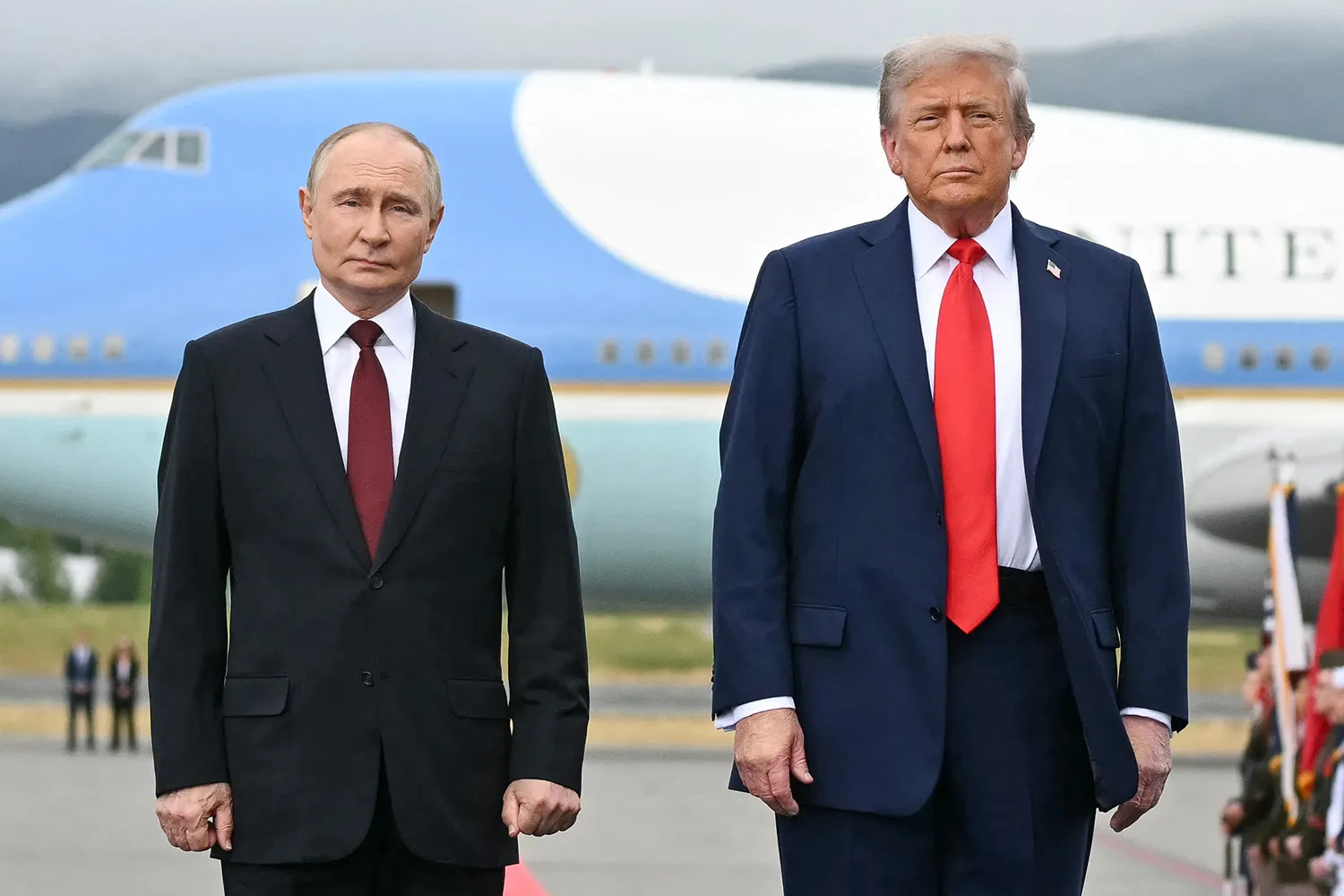
President Donald Trump on Friday signed H.R. 5334, the Lindsey O. Graham Sanctioning Russia and Iran Act of 2026, in the Oval Office, with Sen. Katie Britt of Alabama joining him for the ceremony. The White House said the law authorizes and expands statutory sanctions, tariffs, and prohibitions on Russia and extends existing sanctions on Iran.
The House had cleared Senate amendments 262–159 on Wednesday — 203 Republicans, 58 Democrats, and one Independent voting yes; seven Republicans and 152 Democrats voting no — after the Senate passed the measure 86–11 in August. Wednesday’s vote was the chamber’s last scheduled action before lawmakers leave until after Election Day. After House passage, Britt, Rep. Michael McCaul, and Sen. Darline Graham — Lindsey Graham’s sister, appointed to his seat — appeared at a bipartisan press conference celebrating the bill named for the late South Carolina Republican.
What Sections 112 And 113 Actually Do
Section 112 requires that no later than 30 days after enactment the president increase the duty on all goods from Russia — including oil, gas, LNG, petroleum products, coal, and related products — to a rate of up to 500 percent ad valorem, in addition to other applicable duties. The ceiling is not a fixed rate; the statute sets no minimum. Some Russian energy products already face a U.S. import ban under 2022 law, so the new duty authority sits alongside existing prohibitions rather than replacing them.
Section 113 is not a standing blacklist of largest purchasers. Within 30 days, the president shall raise duties to up to 100 percent ad valorem on goods from a country that either (A) knowingly made new purchases of Russian-origin crude or natural gas on or after 30 days after enactment and was among the five largest importers by volume in the 12 months preceding enactment, or (B) was among the top five countries facilitating Russian oil sanctions evasion in that pre-enactment 12-month period — facilitation defined through persons knowingly circumventing oil sanctions, including shadow-fleet activity. The forward-looking penalty hits continued buying after a grace window, not past purchases alone. China and India are most often cited as exposed; neither is automatically named. Natural-gas exceptions and 180-day USTR reassessments of top importers are built in. The Center for Strategic and International Studies called the third-country tariff authority “the act’s most consequential new authority.”
The law also targets Russia’s energy and defense sectors, shadow fleet, Putin’s circle, oligarchs, and banks, and extends the Iran Sanctions Act of 1996 through 2031. An unrelated rider expands the educator expense tax deduction to include early childhood educators.
Graham’s Unexpected Death And Ukraine Leverage
Graham died unexpectedly in July at 71 of a torn aorta after returning from a Ukraine trip; he had been pushing the sanctions package in his final days. Trump delivered the eulogy. Ukrainian President Volodymyr Zelenskyy called the legislation “an extremely powerful tool” as the House moved, and had urged lawmakers to support tougher pressure on Moscow.
Speaker Mike Johnson told reporters: “I have always been in favor of the Russia sanctions bill. But we had to build a consensus around it, and I think we have it.” Designations, top-importer findings, evasion rankings, and tariff rates still sit with the administration — the same executive branch that will decide how aggressively to use the new tools while diplomacy with Moscow continues.
House Fight Over Naming Countries And Waivers
House Minority Leader Hakeem Jeffries opposed the final text, saying Trump “cannot be entrusted with new powers to impose tariffs that will further raise costs for American families.” Reps. Gregory Meeks, Don Beyer, and Richard Neal warned the bill “would dramatically expand presidential tariff authorities while failing to mandate sanctions on Russia” and “would raise Americans’ prices while undermining support for Ukraine in the long term.”
At Rules, a Meeks amendment to strike Section 113’s secondary tariffs was defeated 3–7; Meeks said he would support the bill if that language were removed. A Hoyer amendment to name specific countries subject to the tariffs was defeated 3–7. Another Meeks amendment to tighten waivers to “vital to the national security of the United States” also failed 3–7. Fifty-eight Democrats still voted yes on final passage.
Summit Calendar And Enforcement
China’s Foreign Ministry, asked about the bill before the signature, opposed “long-arm jurisdiction” and unilateral sanctions lacking a U.N. Security Council mandate. Trump’s planned meeting with Chinese President Xi Jinping on Sept. 24 — six days after the signing — puts the new discretion into a live summit calendar whether or not duties are immediately applied.
Author

We cover the world’s chaos so you don’t have to scroll twelve feeds to understand it.
Sign up for Atlas newsletters.
Stay up to date with curated collection of our top stories.



