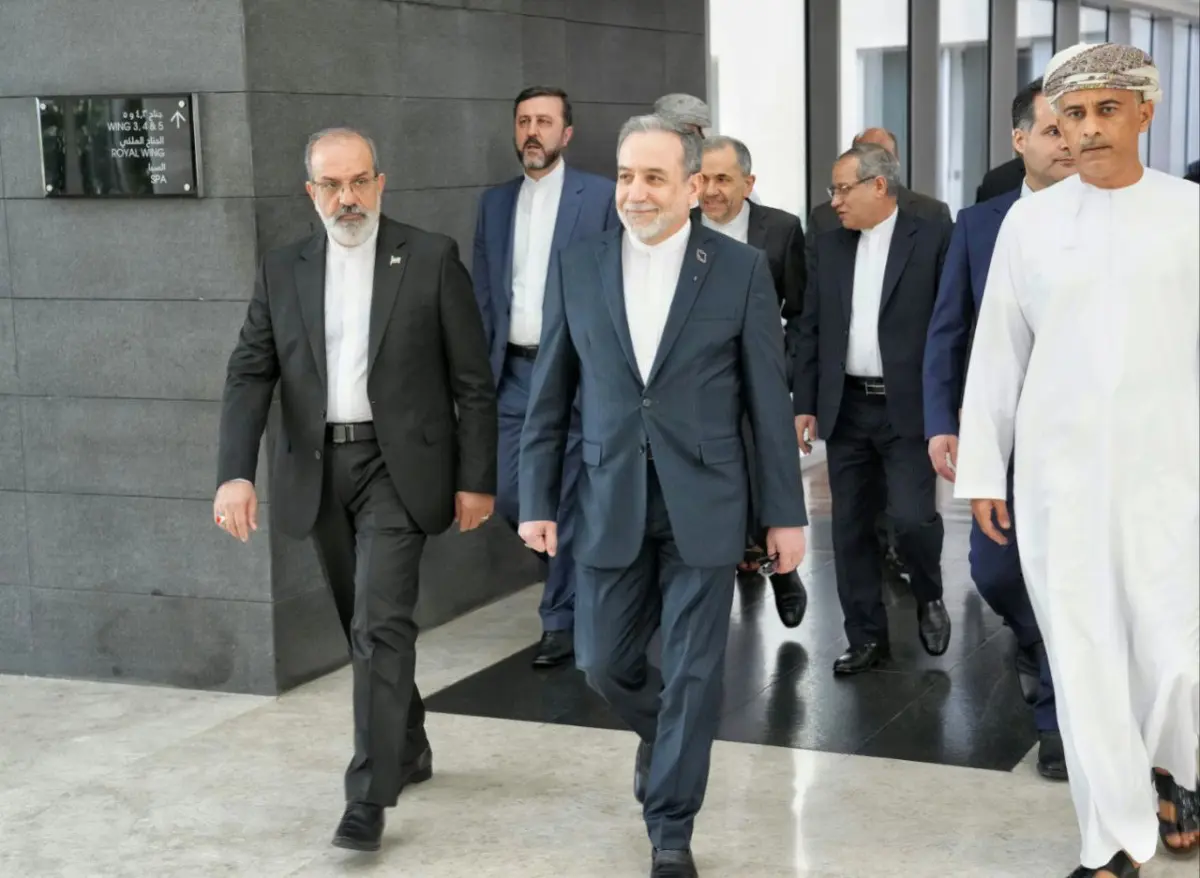
Oman postponed an Iran-proposed meeting in Salalah on managing shipping through the Strait of Hormuz, saying the delay was "in the interests of consensus." Foreign Minister Badr Albusaidi announced the postponement and gave no new date. Iran's Foreign Ministry, through Mohammad Ali Bak, said the meeting was delayed "at the request of some regional countries."
Early Sunday an Iranian cargo vessel was struck off Qeshm Island. Hossein Amir Teymouri, the provincial governor, said one person was killed and threewere wounded, a toll carried by Iranian state media. Tehran blamed a "terrorist enemy." The United Kingdom Maritime Trade Operations center reported a vessel hit by a projectile in the strait, a severe fire, and an evacuation. No party has claimed the strike.
Washington outside the room
The United States was not a participant. A U.S. official said Washington kept close communication with regional partners before, during, and after the planning and did not oppose the gathering. About an hour before the postponement, a U.S. official said, "Iran does not control the Strait of Hormuz and never will."
Iranian Foreign Ministry spokesman Esmaeil Baghaei called the meeting "a sign of Iran's good intention," saying regional security must be guaranteed by regional countries "without intervention by the foreigners, without intervention by the outside powers." He said Iran would talk to its neighbors "despite the fact that their territories, their military bases or the military bases of the United States, were used to attack Iran."
U.S. and Israeli strikes on Feb. 28 began the war. A June U.S.–Iran memorandum of understanding that was supposed to reopen Hormuz traffic collapsed over disputed terms for managing the strait.
Why the Gulf balked
Iran said Iraq would attend. No regional government formally confirmed attendance.
Bahrain publicly refused. Manama rejected what it called a "policy of appeasement," said Hormuz must stay open without "discrimination, fees or permits," and said it would not join a collective meeting with Iran until diplomatic relations are restored. It set out conditions for a lasting settlement: an end to attacks, accountability and compensation for damage, respect for sovereignty and a bar on using one state's territory to attack another, and legal settlement of outstanding disputes.
Bahrain cut ties with Iran in 2016 alongside Saudi Arabia. Riyadh restored them in 2023. Manama has not. The U.S. Navy's Fifth Fleet is home-ported in Bahrain.
Baghaei said Saudi Arabia requested the postponement and called a Yemen-related rationale a false pretext. An unnamed Gulf official said Riyadh submitted amendments citing lasting implications for the strait that could hurt other Gulf Cooperation Council states.
Since the war began, Iran has required vessels to seek permission to transit and has weighed service fees. Diplomats and sources familiar with Omani plans say mandatory tolls remain widely rejected while voluntary contributions for navigation and safety have been floated under an Omani framework.
A senior Iranian official said before the postponement that the session was not expected to produce a signed agreement.
Oil and the bypass shutdown
Benchmark crude has traded above $100 a barrel.
Saudi Arabia temporarily shut its East–West pipeline after drone attacks on a pumping station. The line runs crude from the Eastern Province to the Red Sea and is the kingdom's main route around Hormuz. U.S. escorts continue through the strait itself.
Author

We cover the world’s chaos so you don’t have to scroll twelve feeds to understand it.
Sign up for Atlas newsletters.
Stay up to date with curated collection of our top stories.



