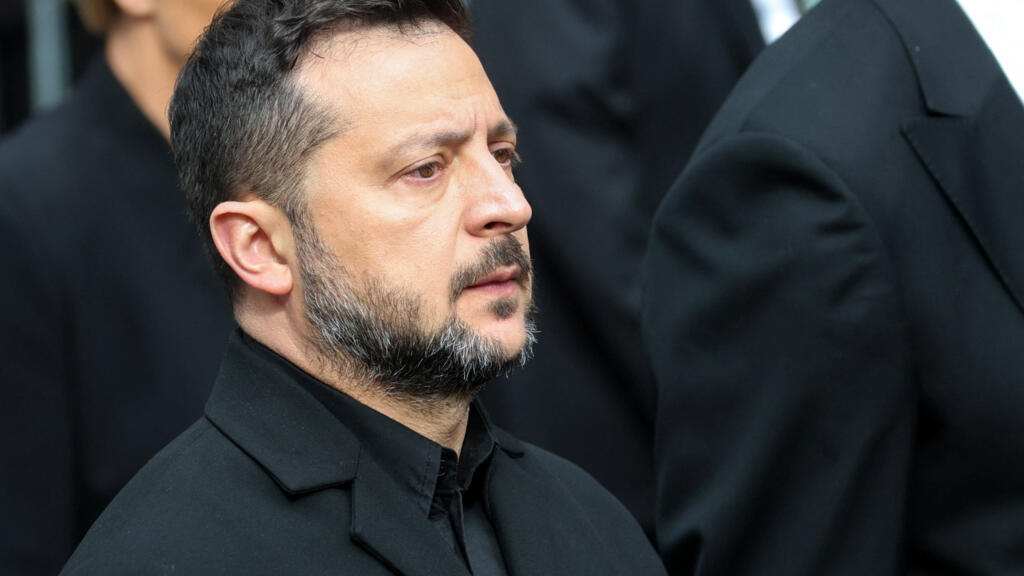
About an hour after President Donald Trump posted that Ukraine and Russia had agreed not to hit energy targets, President Volodymyr Zelenskyy answered on Telegram with a condition, not a confirmation. Neither government said a deal had been struck. The gap between Trump’s announcement and Kyiv’s reply is the story.
Zelenskyy wrote that he was not sure of Russia’s desire to adhere to any such agreement. If partners could ensure Russia’s real desire not to strike Ukraine’s electricity, other energy facilities, critical infrastructure and food movement, then Ukraine would be ready to ensure the corresponding absence of its own strikes. “The war must be ended. And a de-escalation step regarding critical infrastructure could be the first step towards peace. We are waiting for details from our partners,” he said.
He also said that so far no one had seen genuine Russian willingness to end the war, but that if American partners could secure Russia’s genuine readiness to end the war honestly and on a long-term basis, Ukraine would take its own de-escalatory steps. Russia, he indicated, would need to stop attacking critical infrastructure for those intentions to be taken seriously. “Every day, Ukrainian energy facilities, port infrastructure, logistics, even food and pharmaceutical warehouses become targets,” he wrote.
Trump Announces; Kyiv Rebuts
Trump’s Monday Truth Social post stated: “Ukraine has agreed not to hit Russian Energy targets. Russia has agreed to do, likewise!” He added that the world’s diesel price rise was “mostly caused by the Russia/Ukraine War, not Iran.”
Zelenskyy’s Telegram response, roughly an hour later, treated that claim as something still to be proven. He framed reciprocity as dependent on partner guarantees that Moscow would genuinely stop hitting life-sustaining targets, and he said Ukraine expects specifics on how any mechanism would work.
The Kremlin did not confirm Trump’s post. Spokesman Dmitry Peskov earlier welcomed Trump’s call for Kyiv to stop strikes on what Moscow calls civilian economic infrastructure, without announcing a Russian halt to attacks on Ukrainian power, grids or logistics. Peskov separately argued that upheaval in global energy markets owed mainly to Gulf instability.
Doonbeg Pressure On Diesel Targets
On Sunday in Doonbeg, Ireland, Trump told reporters: “Mr. Zelenskyy has to do one thing: He has to stop knocking out diesel fuel in Russia.” He said the administration had spoken to Zelenskyy. “Let him go after targets — but not diesel fuel, because he’s causing a shortage of diesel.” He also said: “There are plenty of other targets. Don’t hit diesel fuel. That’s hurting the world.”
Ukrainian long-range drones have hit Russian refineries and fuel sites in recent months — a campaign Kyiv calls “long-range sanctions” meant to raise Moscow’s cost of war. Russia has faced domestic fuel shortages and moved to curb diesel exports. A day before Trump’s post, Zelenskyy said Ukraine was open to discussing energy and Black Sea ceasefire ideas around a possible meeting with Trump during the U.N. General Assembly week — language that still treated such steps as negotiation subjects, not completed bargains.
Diesel Prices And The Competing Causes
AAA said U.S. diesel crossed $6 a gallon for the first time and averaged $6.23 on Monday, with gasoline around $4.32. Trump blamed Ukrainian refinery strikes for the diesel spike and denied that the Iran conflict was the main driver.
The International Energy Agency has described overlapping pressures: conflict involving Iran has disrupted efforts to normalize oil flows through the Persian Gulf and Red Sea, while disruptions to Russia’s refining system and a near-halt to product exports after intensified Ukrainian attacks have compounded losses. Reporting on Russian export curbs notes that neighboring importers that rely heavily on Russian product feel the pinch most directly.
Envoys, Front Lines And A Precedent That Broke
The week before Trump’s post, Steve Witkoff and Jared Kushner visited Kyiv and Moscow in another U.S.-mediated round. All sides called the talks substantial. Nothing changed on the front line: Russia continued strikes on Ukrainian energy and logistics; Ukraine continued long-range hits inside Russia.
In March 2025, after a call with Trump, Vladimir Putin agreed to a 30-day halt on strikes against Ukrainian energy targets and ordered the Russian military to observe it. The pause did not hold.
Author

We cover the world’s chaos so you don’t have to scroll twelve feeds to understand it.
Sign up for Atlas newsletters.
Stay up to date with curated collection of our top stories.



