President Donald Trump has ordered the US military to carry out a fresh attack on Iran as soon as this weekend, with energy infrastructure — including oil refineries and power plants — under consideration as targets, in what would mark one of the harshest bombing campaigns of the five-month war.
The strikes are intended to convince Tehran to surrender and could last a few days, according to US officials cited by the Wall Street Journal. CBS News reported separately that the US and Israel are planning what would be among the most severe bombing campaigns to date against Iranian energy targets, with strikes possible throughout the weekend. There was some discussion of concluding by the time financial markets open Monday because of concern about how the bombings would affect the US and global economy, though an end point was not locked in.
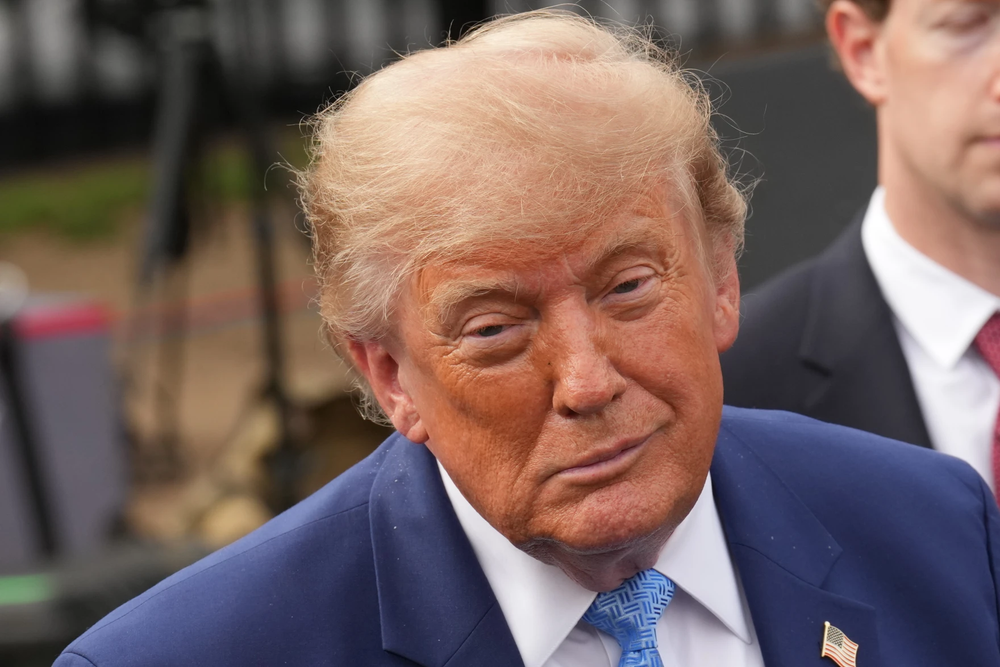
"We'll be hitting them very hard," Trump said during a Cabinet meeting Friday at Camp David. "And at some point they'll say we just can't take it anymore." He predicted the Iranians will "get weaker, and then they peter out."
A US official said Trump is seriously considering the energy strikes but has not given final orders. The involvement of the Israeli military would be its first participation in the fighting in many weeks, and such an escalation would likely draw Iranian missile attacks on Israel. Advocacy groups have noted that deliberate bombing of civilian targets could be considered war crimes.
White House Press Secretary Karoline Leavitt did not directly address the reports but did not deny that a renewed attack could be imminent. "The United States signed an MOU with Iran and they broke it, shot at commercial ships, and killed American soldiers," she said. "President Trump is not going to stand by and allow this terrorist behavior to occur. Iran will continue to pay until they come to the table in, what President Trump deems, a meaningful way."
Talks Collapse as Trump Loses Patience
The orders came hours after Trump cast doubt on continued negotiations with Iran, days after he had described "very friendly negotiations" and paused US strikes following a 13-day bombing campaign.
"I think we just want to win," Trump said when asked about reviving ceasefire talks. "We're doing very well, we're trying to be nice, as nice as you can be in a situation like that." He said he was "losing faith in them because they do lie and do, they do misrepresent," adding: "They always want to talk, but they break their words so often. All they do is make me angry."
"They cannot have a nuclear weapon, and they won't," he said.
Confidence between the parties appears to be at rock bottom, with Iranian leaders echoing Trump's complaints by saying the Americans have reneged on commitments and cannot be trusted. Iran's lead negotiator said the conflict is "either all or nothing." Some US officials believe Iran will continue to drag out negotiations, banking that Trump will abandon the war effort in the face of mounting domestic political opposition.
Tehran has warned of its own response. A senior Iranian security official told the Tasnim news agency, which is affiliated with the Revolutionary Guard, that US strikes on Iranian infrastructure would be "an act of madness." The official said: "We have prepared a broad response plan that includes strikes against the Zionist regime's critical infrastructure and U.S. energy infrastructure in the region, and we are fully prepared to carry it out."
A Week of Escalation Across the Region
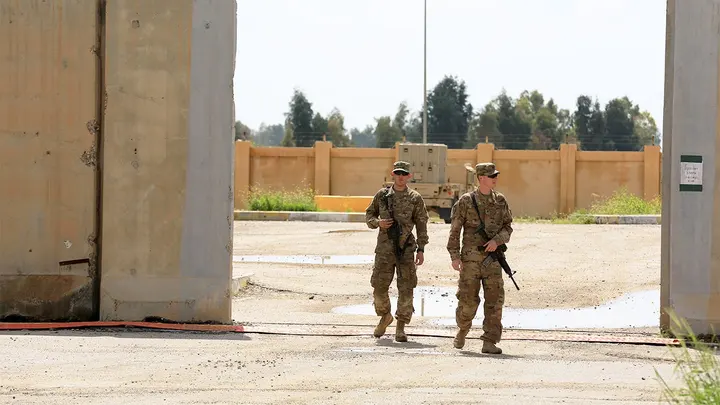
The renewed orders follow days of intensifying attacks. Iran launched a surprise missile attack on a US base in Jordan on Wednesday, followed by additional attacks against US forces in the region, and struck commercial ships in the Strait of Hormuz on Thursday. Trump had threatened days earlier that any new attacks on ships would be answered with US strikes on power plants and bridges in Iran, including in Tehran.
US Central Command said Thursday that American forces hit dozens of Revolutionary Guard targets, including military command centers, missile and drone facilities, and coastal surveillance and defense sites. The Revolutionary Guard claimed it shot down three F-35 jets and three other American aircraft during its Jordan attack and said it killed US troops — claims CENTCOM denied, stating that "no U.S. aircraft were destroyed or damaged in recent attempted Iranian attacks" and that all missiles and drones were intercepted or failed to reach their targets.
Iran's military said Friday it targeted US facilities at Kuwait's Ahmad Al-Jaber airbase with drones, citing a US strike on Qeshm Island that it said killed Iranian troops and a family, including a 2-year-old child, in their home. Kuwaiti officials and the Pentagon did not immediately comment. The regional spillover has widened: Jordan reported two consecutive days of intercepting Iranian missiles, Kuwait said an Iranian strike killed one person, drones set fires on two liquefied natural gas ships at Egypt's Damietta port, and Saudi Arabia reported attacks from Iran-backed militias in Iraq.
The Revolutionary Guard also claimed its forces struck two tankers attempting to pass through the Strait of Hormuz under US air escort, and the Persian Gulf Waterway Management Authority said traffic through the strait was not possible. The Treasury Department, meanwhile, sanctioned six entities and individuals in China, India, Russia, and Iran over support for Mahan Air and the Revolutionary Guard, and Treasury Secretary Scott Bessent claimed Iran is unable to pay its troops, without offering specific evidence.
Economic and Political Costs Mount
The prospect of strikes on energy infrastructure moved markets immediately. WTI crude rose above $86 a barrel in post-settlement trading Friday following the CBS report, continuing a pattern in which oil prices have jumped with each round of clashes since the war began February 28.
The economic strain runs in both directions. Analysts say US strikes on Iranian infrastructure have triggered power outages and shortages of water and fuel that could push millions of Iranians into poverty. In the US, gasoline prices have climbed for consumers already frustrated by the cost of food and housing, while ExxonMobil and Chevron reported a combined $26.5 billion in second-quarter profits — nearly double the same quarter last year — drawing criticism from politicians in both parties.
The war has also depleted US munitions, particularly the air defense interceptors crucial to protecting bases from Iranian attacks. Separately, the US intelligence community believes Iran is probably responsible for a cyberattack this week on more than 30 Minnesota municipal water systems, though agencies have not reached a definitive conclusion.
Public opinion has turned sharply against the conflict. About two-thirds of US adults say the war with Iran has not been worth fighting, according to a new AP-NORC poll, including the vast majority of Democrats and independents as well as about 37% of Republicans. With control of Congress at stake in November's midterm elections, voters disapprove of Trump's management of the war and the economy by wide margins.
Trump has frequently threatened sweeping escalation only to shift his stance soon afterward, a pattern that has defined the conflict since February. Whether the weekend brings the ordered strikes or another reversal, the two sides are not talking — and both say they are preparing for more fighting.
Author

We cover the world’s chaos so you don’t have to scroll twelve feeds to understand it.
Sign up for Atlas newsletters.
Stay up to date with curated collection of our top stories.