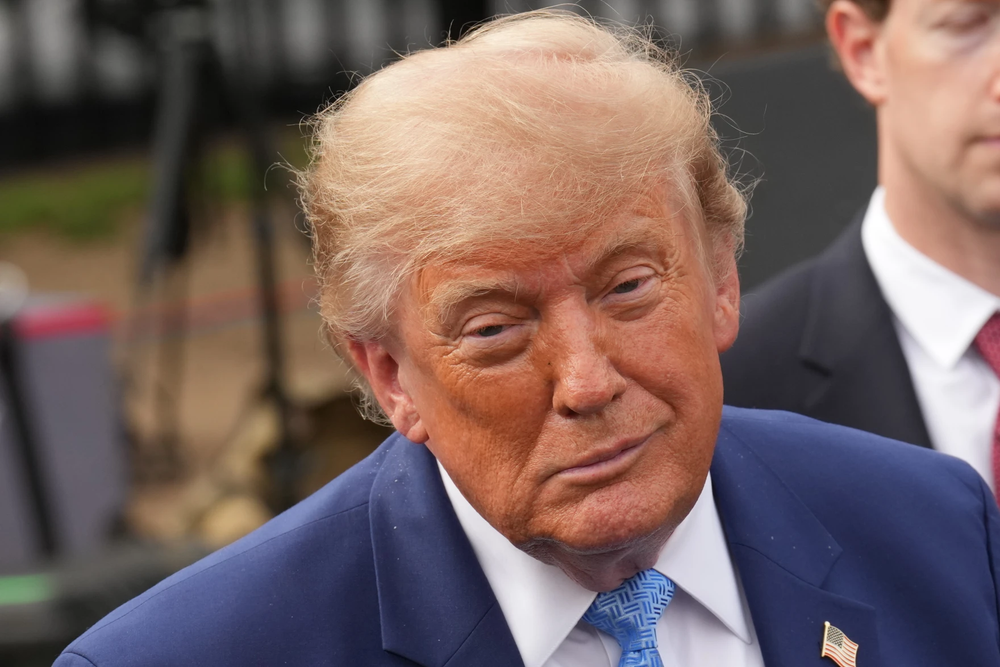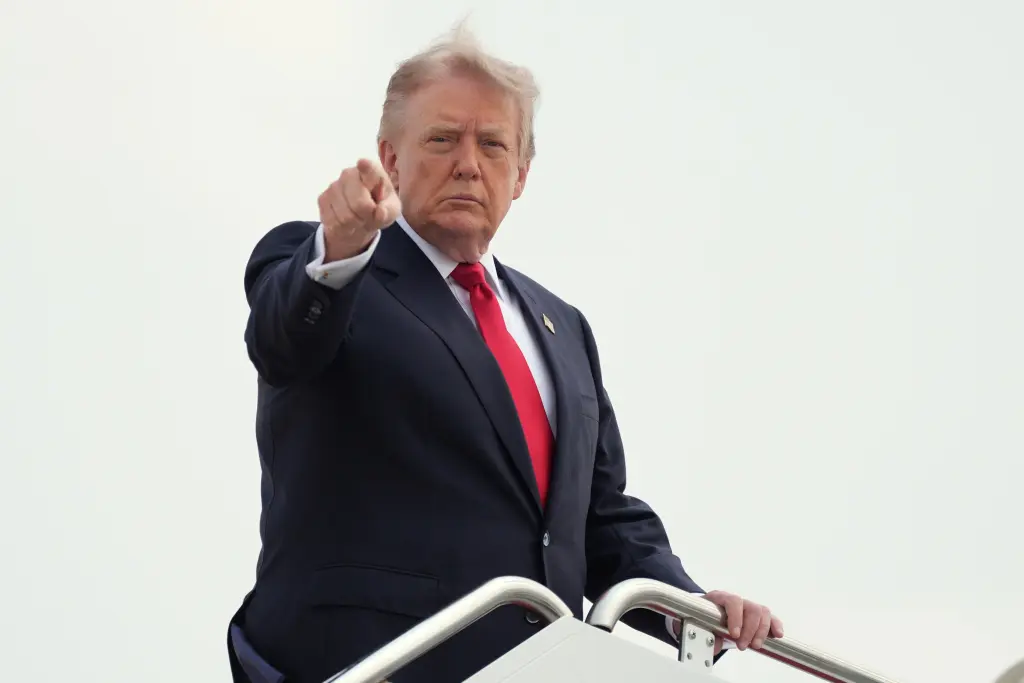
President Donald Trump said Monday the United States was having "good talks" with Iran and that there was a chance of a deal to end their conflict, but warned that American strikes would resume if the negotiations failed to deliver.
"We're having good talks," Trump told reporters aboard Air Force One en route to Michigan. "I think there's a good chance that something could happen, and if it does, good, if it doesn't, we go back to doing what we were doing two days ago."
Neither the US nor Iran reported carrying out attacks for three days, a respite after roughly two weeks of sustained bombardment that had raised fears of a return to all-out war. Washington abruptly suspended its air campaign on Saturday after 13 successive nights of intensifying strikes on Iran, a campaign sparked by a breakdown in diplomacy over Iran's blockade of the Strait of Hormuz.
Trump said Tehran had requested a meeting "through their surrogates and directly," attributing the outreach to the pressure of the American campaign. "The only reason they want to meet is because we've been hitting them very hard," he said. "They would not have requested the meeting if we were doing poorly."
Iran disputed that characterization. Foreign Ministry spokesman Esmail Baghaei said mediators "may convey messages to us from the American side" but that there were no direct negotiations, calling reports that Iran requested talks "fabricated." Striking a quick deal with the US, he said, "is not in our DNA." A senior Iranian official said Tehran would halt its own attacks as long as the American pause continued.
Mediators Report "Significant" Progress
Regional officials said mediators led by Qatar and Pakistan, working alongside Egypt, were making headway in bridging the gap between Washington and Tehran to restore an interim ceasefire deal that collapsed earlier this month. One official described the progress as "significant."
The central focus is the Strait of Hormuz, the waterway carrying roughly 20% of the world's oil supplies and the flashpoint for the latest strikes and counterstrikes. Mediators were working with Iran and Oman on a mechanism for managing vessel transit through the strait, and Baghaei said the two countries held talks Friday and Saturday on how to manage ship traffic. Their aim, he said, is to "develop mechanisms to ensure safe navigation through the Strait of Hormuz while respecting the sovereign rights and sovereignty of both coastal states, as well as Iran's security and national interests." He stressed that the waterway remains closed.
One proposal calls for Iran and Oman to collect service fees for maintaining maritime security along the strait, while another would borrow from the management model of the Strait of Malacca, where Malaysia, Indonesia, and Singapore collect fees for specific services. The Trump administration has maintained that the strait should remain free and open to all as it was before the war began.
Tehran has asserted that the June interim deal allows it to manage shipping on the waterway and potentially charge fees, and it has objected to US efforts to promote an alternative route passing close to Oman. Iranian state media said the country turned around six "offending ships" on Monday that attempted to cross without permission, while the US military said its naval blockade continued, with 17 commercial ships redirected, two disabled, and two boarded. Commercial shipping traffic in the strait stood at a three-week low.
Drone Attacks Test the Lull
Despite the pause between the principal combatants, scattered attacks across the region underscored the lingering tensions. Saudi Arabia said it shot down drones fired by Iran-backed militias in Iraq that targeted its petroleum facilities, including in Riyadh, and said it reserved the right to respond. Riyadh called on Baghdad to prevent such attacks from its territory, and Iraqi Prime Minister Ali al-Zaidi called for an investigation.
Yemen's Iran-backed Houthi rebels separately said they targeted the East-West Pipeline carrying oil to Saudi Arabia's Red Sea port of Yanbu, in what they called retaliation for Saudi drone incursions. Jordan said it shot down two drones without identifying their origin, two drone attacks were reported against a Kurdish Iranian dissident group in Iraq, and Israel's military said it intercepted two drones near the Jordanian border. Pakistan condemned the attacks on Saudi Arabia, saying they "pose a grave threat to peace and stability" in the region.
Iran's central military command accused the US of threatening vessels and oil tankers in its territorial waters and of "attempting to implement an illegal maritime blockade," which it said "constitutes an escalation of the conflict in the region."
Munitions Questions and Market Relief
Trump's decision to suspend attacks reflected advice from his military that the bombing had reached the limits of what it could achieve, according to a US official, who said commanders had advised the president they were running out of targets. General Dan Caine, chairman of the Joint Chiefs of Staff, had expressed concern over the depletion of air munitions and told lawmakers last week that "airpower has its limits" in achieving military objectives.
Trump dismissed suggestions of shortages, saying stockpiles were "in very good shape" while acknowledging, "I'd like to have more, to be honest." He said the military was rapidly rebuilding inventories depleted by shipments to Ukraine and pushed back on reports that the pause was driven by supply concerns. He also said he still trusts Defense Secretary Pete Hegseth, who has told lawmakers the cost of operations since the conflict began February 28 exceeds $37 billion.
Markets responded to the lull. US crude fell 8.21% to $81.98 a barrel, and Brent dropped to $87.77, down 9.31% on the day, while global stock markets rallied. "Oil dropped very big today," Trump said.
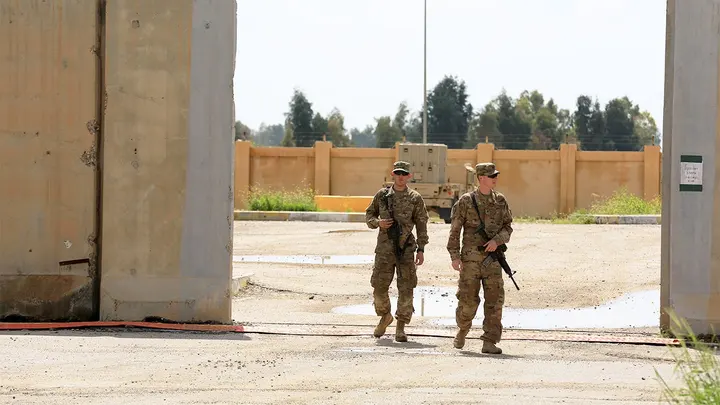
The war has weighed on public opinion ahead of November midterm elections. A Reuters/Ipsos poll conducted over the weekend showed just one in three Americans support the Iran war, the lowest reading since the conflict's early days, with most saying Trump has failed to explain his goals. To date, the conflict has resulted in the deaths of 18 US service members and wounded more than 600, including four killed in Iranian strikes on bases in Jordan and Iraq during the renewed fighting.
Netanyahu Heads to Washington
Israeli Prime Minister Benjamin Netanyahu is set to meet Trump at the White House on Tuesday, their first meeting in Washington since February, weeks before the two countries launched the war that killed Iran's senior leaders, including Supreme Leader Ayatollah Ali Khamenei. Netanyahu said Iran tops the agenda, and Trump said he remains aligned with the Israeli leader on preventing an Iranian nuclear threat.
The 60-day period established by the June interim deal is well into its second half, and the major issues it was meant to resolve — notably Iran's nuclear program — have been set aside as mediators focus on keeping both sides talking. The State Department said the next round of separate talks between Israel and Lebanon will take place next week in Rome, focused on expanding "pilot zones" in which Israeli forces withdraw and hand security over to the Lebanese Armed Forces.
Author

We cover the world’s chaos so you don’t have to scroll twelve feeds to understand it.
Sign up for Atlas newsletters.
Stay up to date with curated collection of our top stories.