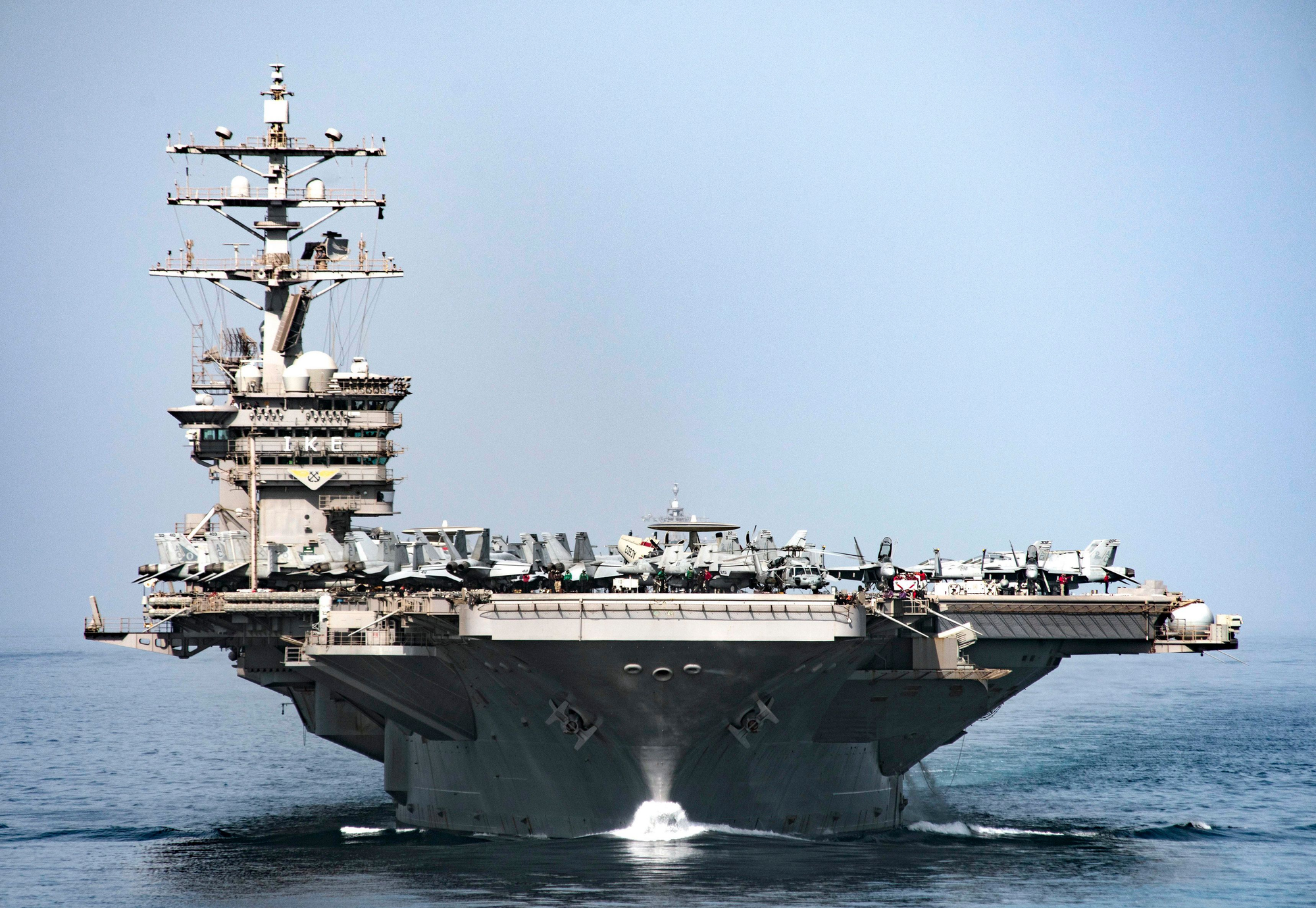
U.S. and Iranian forces exchanged blows around the Strait of Hormuz over the Sept. 5–6 weekend, extending a conflict that has already disrupted shipping through one of the world’s busiest energy chokepoints. Iran’s Islamic Revolutionary Guard Corps fired ballistic missiles at two U.S. warships. U.S. Central Command answered by striking three Iranian oil tankers — the Kylo, the Stark I, and the Downy — and reported that the Kylo sank.
President Donald Trump said U.S. forces were helping roughly 40 vessels a night move through the strait. Tehran’s National Security Council secretary, Mohsen Rezaei, said Iran planned to announce a new “exclusion zone” near Hormuz and to place ships that enter to transit on an Iranian sanctions list. Foreign Minister Abbas Araghchi held calls with his Saudi and Turkish counterparts as both capitals watched the waterway.
Unverified IRGC claims of additional hits circulated alongside the confirmed tanker strikes. Those Iranian battlefield claims remain unconfirmed in the open U.S. account.
What Centcom Says It Hit
Central Command described the tanker strikes as a response to the missile attack on American warships. Naming three vessels and reporting one sunk put a concrete cost on Iran’s use of commercial hulls in a war zone. It also raised the risk that further Iranian missile fire would draw more strikes on shipping linked to Tehran.
The United States has framed its naval presence as convoy protection and freedom of navigation. Trump’s figure of about 40 ships a night is a presidential claim about the scale of that effort, not an independent shipping tally. Insurers, owners, and regional navies will judge the strait by whether hulls keep moving and whether premiums keep climbing.
Iran has treated pressure on Hormuz traffic as leverage throughout the wider war with the United States. The weekend exchange returned that pressure to open fighting at sea.
Iran’s Exclusion Zone Threat
Rezaei’s exclusion-zone plan, if carried out, would attempt to redefine who may sail near the strait without Iranian permission. He said ships entering to transit would be added to an Iranian sanctions list. That is a political and legal threat layered on top of missiles and mines, not a substitute for them.
An exclusion zone announced by Tehran would not, by itself, bind foreign navies. It would raise the stakes for owners who still send tankers through and for navies that refuse to accept Iranian control of international waters. Saudi Arabia and Turkey, both looped in by Araghchi’s calls, have direct interests in keeping energy and trade routes open even when they disagree with Washington or Tehran on the wider war.
How wide the zone would be, how it would be enforced, and whether it applies to all flags or to selected ones were not spelled out in the initial remarks. Those details will decide whether the announcement is signaling or a new operational regime.
Shipping, Claims, And What Remains Unverified
The IRGC’s missile fire at two U.S. warships and Centcom’s strikes on three tankers are the core confirmed exchange. The sinking of the Kylo is part of the U.S. account. Broader IRGC claims of further successful hits are unverified and should be treated as claims.
Commercial traffic through Hormuz has already been strained by months of conflict, insurance spikes, and convoy regimes. A fresh exclusion zone and a public U.S. claim of nightly escorted transits point in different directions: Tehran asserting a right to police entry, Washington asserting a capacity to keep ships moving anyway.
Neither side’s weekend statements resolved how long owners will accept that risk. Each new strike on a tanker or a warship tightens the choice between diversion, delay, and armed transit.
Diplomacy On The Margins Of The Gunfire
Araghchi’s calls with Saudi and Turkish foreign ministers were the diplomatic counterpoint to Rezaei’s zone threat and to Centcom’s tanker strikes. Regional governments want de-escalation in the waterway even when they cannot stop the war ashore.
Trump’s public line emphasized passage, not talks. Iranian officials emphasized punishment for ships that ignore Tehran’s coming rules. Those messages leave little room for a quiet return to pre-war transit norms in the next few days.
Confirmed: IRGC ballistic missiles at two U.S. warships; Centcom strikes on the Kylo, Stark I, and Downy; Kylo reported sunk; Rezaei’s exclusion-zone and sanctions-list plan; Trump’s roughly 40 ships a night claim; Araghchi’s calls with Saudi Arabia and Turkey.
Soft or unresolved: unverified IRGC claims of additional hits; the precise map and enforcement of any exclusion zone; whether nightly U.S. assisted transits will hold if Iran formalizes the zone. The strait remains open only to the extent navies and owners are willing to test those unanswered points under fire.
Author

We cover the world’s chaos so you don’t have to scroll twelve feeds to understand it.
Sign up for Atlas newsletters.
Stay up to date with curated collection of our top stories.



