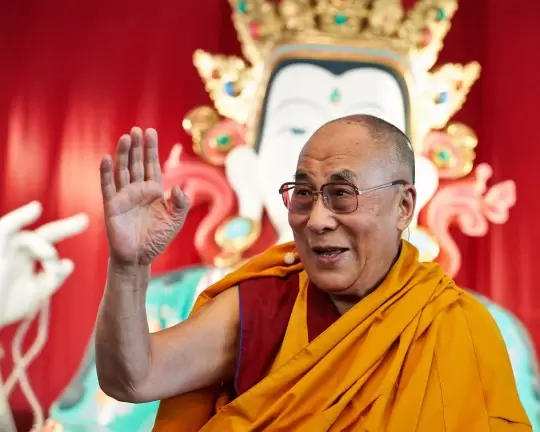
In a major cultural moment, the selection process for the 14th Dalai Lama Tenzin Gyatso has evolved into a key geopolitical matter in the Asia-Pacific region. India has hosted the 14th Dalai Lama and the Tibetan exile community since 1959 when Tibetans revolted, but the upcoming succession of this religious leader will have major implications for the delicate bilateral relationship between India and China.
Remaining content is for paid members only.
Please subscribe to any paid plan to unlock this article and more content.
Subscribe NowAuthor

Atlas
We cover the world’s chaos so you don’t have to scroll twelve feeds to understand it.
Sign up for Atlas newsletters.
Stay up to date with curated collection of our top stories.