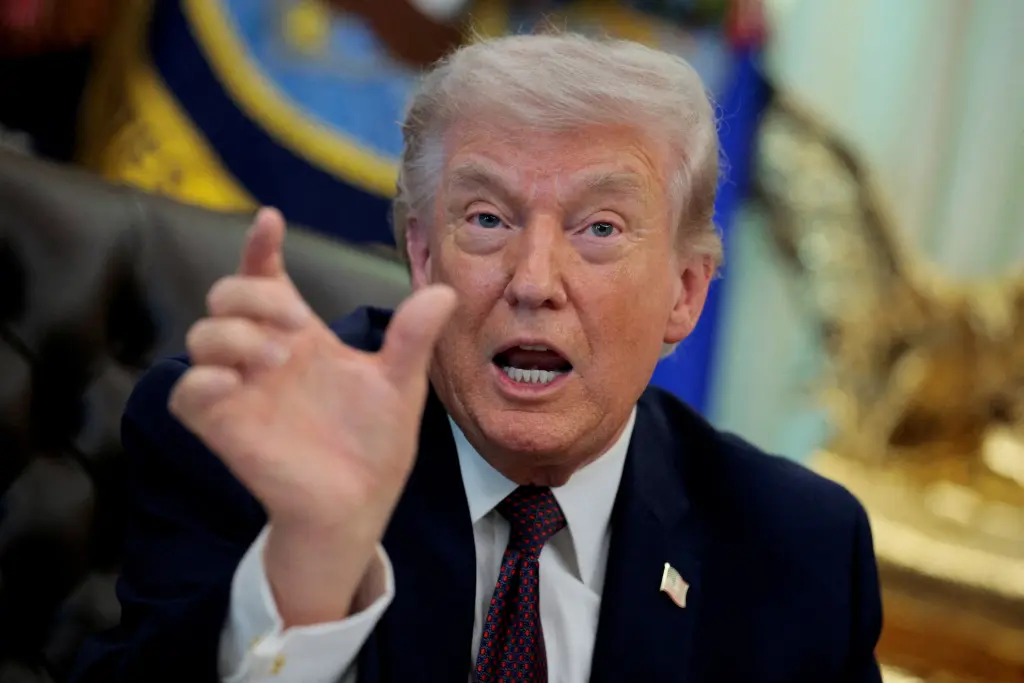
The United States and Iran signaled on Friday that they had reached the text of an agreement to end their months-long war, though the two sides differed over how close it was to being signed and what exactly it contained.
Pakistan, which has mediated the talks, declared the matter all but settled. "Setting aside the noise, we can confirm that a final, agreed upon text of the peace deal has been reached," Prime Minister Shehbaz Sharif wrote on social media, saying his government was working with both parties on the next steps.
The Trump administration was more guarded. A senior official, briefing reporters by phone, put the two sides at 80 to 85 percent of the way to a deal and cautioned that Iran's approval was not assured. "Most of the people who have authority within their system want to sign this deal, but not everybody," the official said, adding that no time or place for a signing had been set.
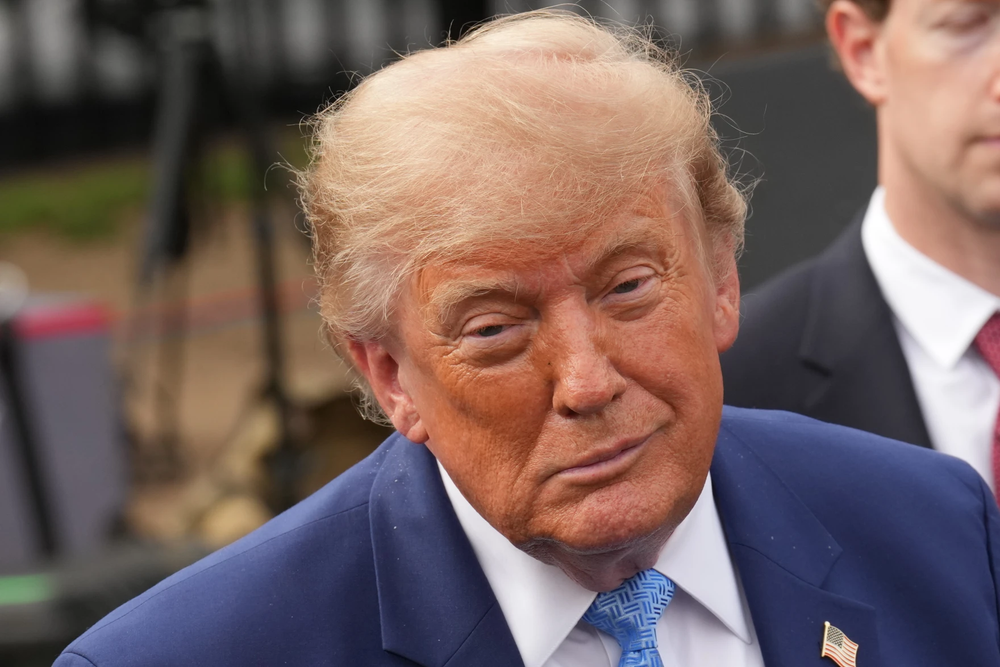
Iran's foreign minister, Abbas Araghchi, said an agreement had "never been closer" and urged the media not to speculate about its terms, which he called the Islamabad Memorandum of Understanding after the Pakistani capital where talks were held in April. President Trump, who earlier in the day had accused Iran of leaking false details, appeared to endorse Araghchi's message by sharing it on his own account.
What the deal would do
By the U.S. account, the framework reopens the Strait of Hormuz and lifts the American naval blockade of Iranian ports. In exchange, Iran would surrender its stockpile of highly enriched uranium, to be destroyed on site and then removed from the country, with negotiations over the broader nuclear program to follow during a 60-day window. An inspection regime would verify compliance over the long term.
The senior official described the arrangement as performance-based and pushed back on reports that Iran would receive immediate economic relief, including claims it could collect as much as $12 billion on signing. Any sanctions relief or release of frozen assets, the official said, would depend on Tehran holding up its end. "None of their money released until they perform. Strait of Hormuz will be open. No Iran funding of terrorist groups," the official said. He framed the result as one in which Iran stops financing armed groups in the region while its territorial sovereignty is respected.
Two sides, two versions
If Washington cast the deal as meeting Trump's core demands, Tehran cast it as a victory. "Iran is the winner of the war with the U.S.," Araghchi said on state television, adding that changes were still possible. He said Iran, together with Oman, would retain control over traffic through the strait. "Our sword will always hang over the Strait of Hormuz," he said.
The gap was sharpest on the nuclear question. The U.S. official said the agreement would ultimately dismantle Iran's program. Araghchi said Iran had not accepted dismantlement and wanted to keep its uranium in diluted form, calling down-blending the only solution it would accept. Accounts from Western, Pakistani, and Iranian sources suggested the draft tilted in Iran's favor, with possible war reparations for Tehran and the dropping of longstanding U.S. demands to limit Iran's missile program, an account the administration official disputed.
Where and how the deal would be signed remained unsettled. One Western source said it could be signed as soon as Sunday by Vice President JD Vance and Iran's parliament speaker, Mohammad Baqer Qalibaf, with Geneva the likeliest venue. Araghchi said the signing would be done remotely before any announcement.
Israel left outside the room
Israel, which launched the war alongside the United States, was not part of the talks, and Prime Minister Benjamin Netanyahu said his country would not be a party to the agreement. He has clashed with Trump in recent weeks over U.S. pressure to rein in Israeli operations in Lebanon to clear the way for a deal.
Araghchi said the agreement would end the war in Lebanon, which he framed as requiring an Israeli pullback from areas it holds. Israel signaled otherwise. Defense Minister Israel Katz said Israeli forces would not withdraw from territory they control in Lebanon, Syria, or Gaza, and that Israel must keep the ability to strike Iran again if it saw an imminent nuclear threat, saying he and Netanyahu had directed the military to prepare accordingly. The U.S. official said the deal would cover Lebanon while preserving Israel's right to respond to violations.
The war behind the talks
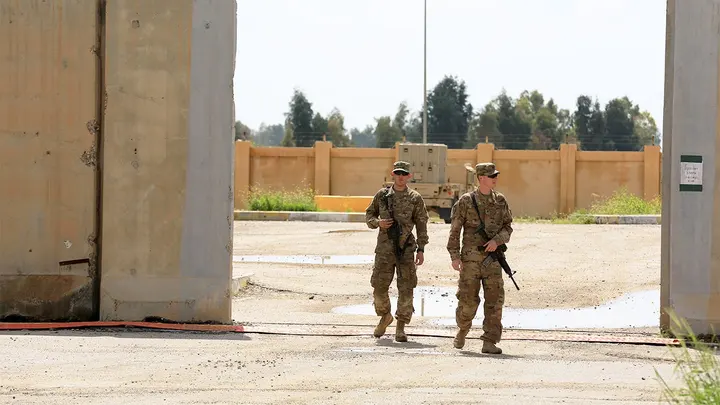
The push toward an agreement capped a volatile week. A fragile ceasefire reached in April had broken down after Israeli airstrikes on Sunday hit Hezbollah targets in southern Beirut, prompting an exchange of fire between Iran and Israel. Iranian forces downed a U.S. helicopter in the Strait of Hormuz on Monday, and Trump ordered retaliatory strikes; on Thursday he said he had called off a further round, citing the progress toward a deal. Explosions reported near Iran's Sirik port and Qeshm island on Saturday were attributed by residents and local officials to warning shots fired at vessels trying to cross the strait without permission from the Revolutionary Guard's navy.
The conflict began on Feb. 28, when the United States and Israel struck Iran's political and military leadership, killing the country's supreme leader, Ali Khamenei. It has rippled through the global economy, lifting gas and commodity prices and shutting down a strait that once carried about a fifth of the world's oil. News of the potential agreement sent stocks higher and oil lower, with Brent crude falling more than 3 percent to a near two-month low.
For the White House, the deal carries domestic stakes. The war's unpopularity, alongside higher fuel prices and softening approval ratings, has worried some Republicans about the November midterms, even as others may balk at endorsing terms seen as favorable to Tehran. The framework also revisits ground broken a decade ago: Iran agreed in 2015 to curb its nuclear work in return for sanctions relief, a deal Trump abandoned in 2018, after which Iran expanded enrichment to produce more than 400 kilograms of uranium near weapons-grade purity. Tehran has long maintained its program is peaceful.
Author

We cover the world’s chaos so you don’t have to scroll twelve feeds to understand it.
Sign up for Atlas newsletters.
Stay up to date with curated collection of our top stories.