Nigerian troops freed 360 people held by Boko Haram in the Mandara Mountains of southern Borno state, the army said Sunday, ending a captivity that for some had run for months in one of the group's longtime strongholds.
The freed group included men, women, and children taken from several communities across the state. Two infants did not make it out alive. Army spokesman Haruna Sani said they died of exhaustion after weeks in the mountains, worn down by the terrain and the conditions of captivity. The rest were taken to secure locations for medical care.
Sani called it one of the military's most significant hostage rescues in the northeast.
How the army says it was done
By the military's account, the raid was weeks in the making. Sani said troops built out intelligence on the hideout and ran psychological operations meant to seed mistrust among the fighters before the shooting started.
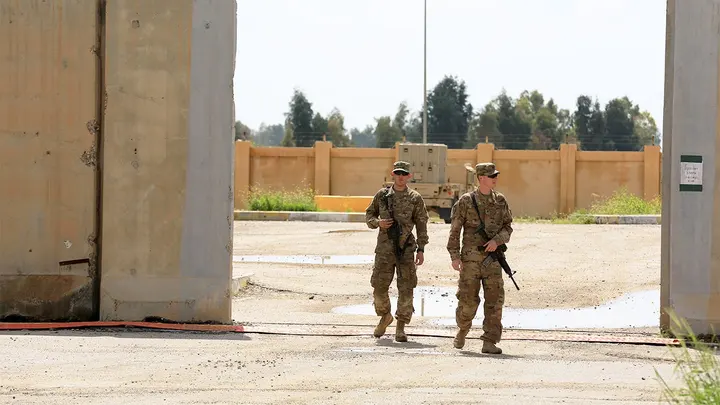
A joint task force with special forces went in under darkness. Sani said the militants broke fast once the troops closed in: some ran into the surrounding hills, others gave themselves up. He did not say whether anyone was captured, and some of the fighters got away.
A second version of events
The army's telling is not the only one. A local group, the Borno South Youth Initiative, says it brokered the release itself, through contacts with the militants, and that no assault freed anyone. Its leader, Samaila Kaigama, put the number at 416 and accused officials of claiming credit for work his group did. A Borno senator and a local youth leader also told reporters the group topped 400.
The gap matters because of what sits underneath it. Boko Haram had demanded millions of naira for the captives. Nigeria's government denies paying ransoms, but analysts have long said the payments happen anyway, from families, from middlemen, and at times from the state, and that the cash keeps the kidnappings coming.
Whether money changed hands here is unclear. The army describes a military operation. The youth group describes a negotiation. Both cannot be fully true, and neither side has produced more than its own statement.
Who was taken
Most of the captives came from around Ngoshe, a mainly Muslim town near the Cameroon border. Some of those seized are thought to have been moved across that border, and officials said they were working to bring them back.
Kidnapping for ransom has become routine across northern Nigeria, and the targets are usually places that cannot defend themselves: village schools, churches, mosques, remote farming communities. The trade moves real money. A Lagos consultancy, SBM Intelligence, estimated Boko Haram alone pulled in roughly $1.66 million in ransoms between July 2024 and June 2025.
The group's name is still tied most closely to Chibok, where it seized 276 schoolgirls in 2014. Dozens of them have never come home.
A fight that keeps grinding on
Boko Haram started its insurgency in 2009. It no longer holds the wide stretches of territory it once did, but it and its offshoots have not gone away, chief among them the Islamic State West Africa Province, the faction aligned with the Islamic State.
The Nigerian military has leaned harder on those groups lately, and increasingly it has done so with the United States. American troops arrived earlier this year to train Nigerian forces and help with intelligence. Last month Nigeria said a joint operation killed 175 ISWAP fighters, and in mid-May the two governments announced the death of Abu-Bilal al-Minuki, described as a senior Islamic State commander in the region.
The war has cost the northeast thousands of lives and pushed at least two million people out of their homes, by United Nations counts.
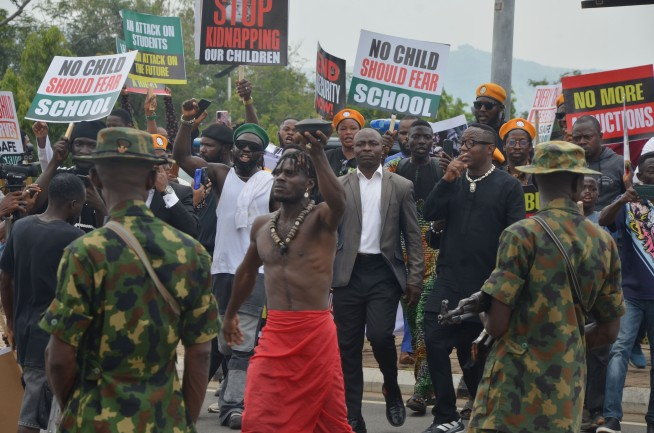
President Bola Tinubu has taken the political weight of it. He has promised more than once to get the violence under control, and the criticism that he has not done enough has grown louder through a recent run of school kidnappings that sent protesters into the streets of Abuja. Daniel Bwala, an adviser to Tinubu, confirmed the two infant deaths on Sunday and said the government had praised the troops.
Author

We cover the world’s chaos so you don’t have to scroll twelve feeds to understand it.
Sign up for Atlas newsletters.
Stay up to date with curated collection of our top stories.