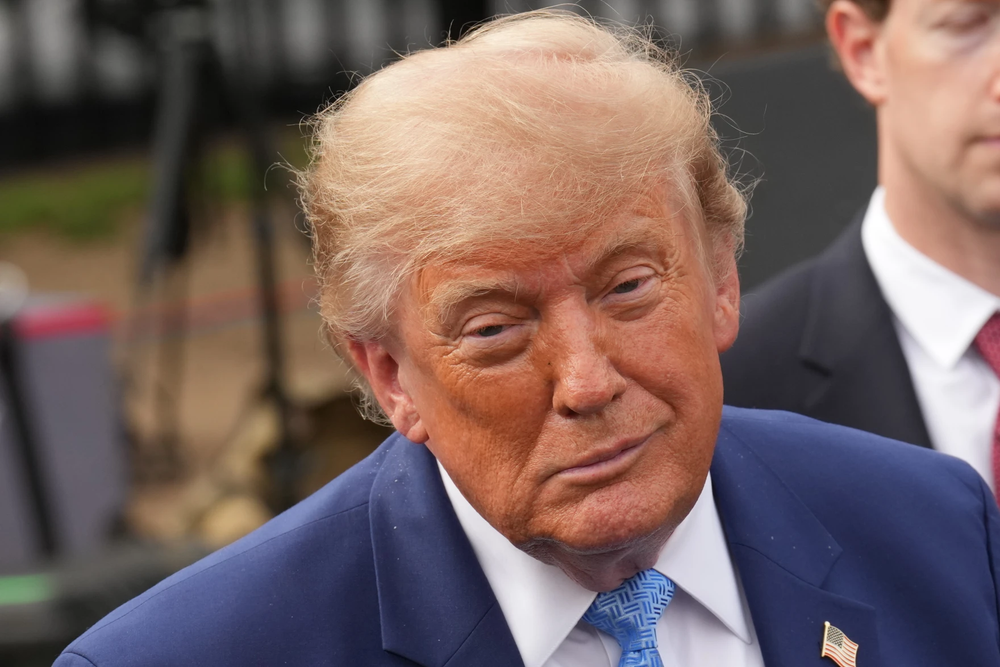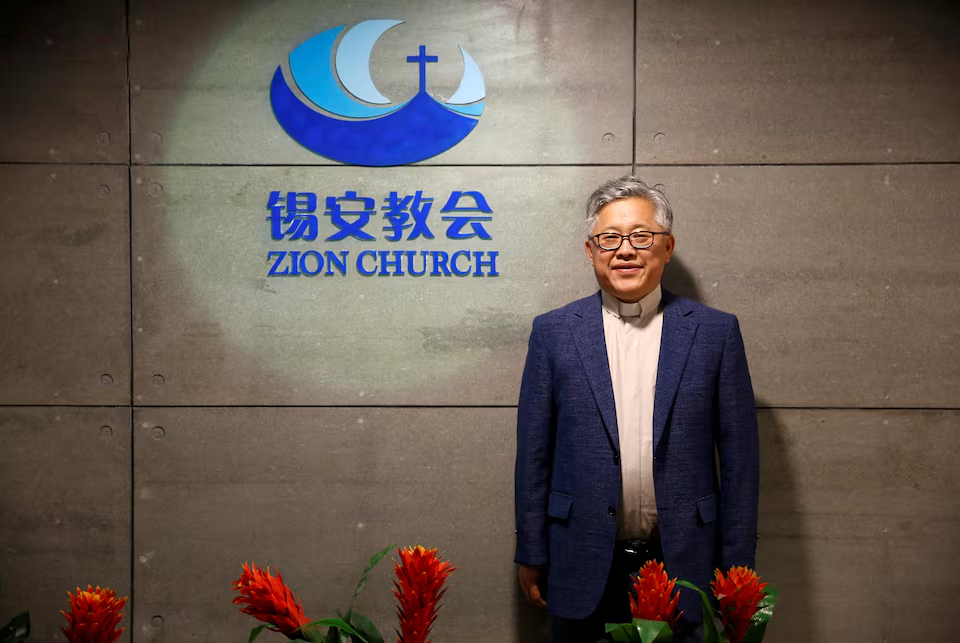
Ezra Jin Mingri, the founder of one of China's largest underground churches, walked off a plane in Los Angeles on Friday and into the arms of a family he had not seen in years. His release came less than two months after President Trump personally pressed Chinese leader Xi Jinping about his case during a state visit to Beijing, and after 266 days in Chinese custody.
Jin, also known as Jin Mingri, had been held since October, when Chinese authorities detained him and 17 other leaders of the Zion Church in one of the country's largest crackdowns on a single congregation in decades. His family called the release a miracle and credited both Trump and Xi. "We hope this is a signal of a positive turn for people of faith in China and relations between our two nations," they said in a statement.
The Detention
The arrests last October swept up Jin and his fellow leaders across multiple cities and provinces, and human rights groups described them as part of an escalating campaign against religious freedom. Jin was charged, along with the others, with "illegally using information networks" in their ministry, an offense that carries a prison term of up to three years. He was held in detention centers in the southern city of Beihai.
The Zion Church ranks among the largest of China's unregistered house churches, congregations that defy the government's requirement that believers worship only in state-sanctioned settings. China recognizes five official religions, including Protestantism, but all religious groups must belong to associations overseen by the Communist Party, which is officially atheist and views organized religion outside its control as a potential threat. Under Xi, authorities have pushed to "Sinicize" religion by demanding loyalty to the party.
The crackdown on Zion was not an isolated event. In June, authorities raided an Early Rain Covenant Church service in Sichuan province and detained two leaders, following the detention of several other Early Rain members in January. That same week, a church in Zhejiang province had its cross removed. The pattern has fueled concern among rights advocates that Beijing is tightening its grip on unregistered worship.
How the Case Reached the White House
Jin's detention drew a quick response from Washington, where Secretary of State Marco Rubio had condemned the arrests last year, saying they showed the Chinese Communist Party's hostility toward Christians who reject party interference in their faith. But the case gained its highest-profile advocate when Trump traveled to Beijing in May, the first state visit by a U.S. president in nearly a decade.
On his flight home, Trump told reporters he had raised Jin's detention directly with Xi, along with the imprisonment of Hong Kong pro-democracy figure Jimmy Lai. "He said he's gonna strongly consider the pastor," Trump said of Xi. The Chinese leader was less encouraging on Lai, the 78-year-old former publisher of the shuttered Apple Daily newspaper, who received a 20-year sentence in February under Hong Kong's national security law. That case, Trump said, Xi called "a tough one."
Lawmakers in both the House and Senate had passed resolutions ahead of the visit urging Trump to press Xi on several detainees, including Lai, Pastor Gao Quanfu and his wife, and retired Uyghur physician Gulshan Abbas. The pastor's release, coming so soon after, was read by his family as the direct result of that intervention. They thanked Trump and his administration for their leadership while stating plainly that it could not have happened without Xi's direct involvement.
A Family Reunited
For Jin, the reunion closed a separation that had stretched on for years. His family began leaving China in 2018, after an earlier round of arrests targeting Christians, but Jin chose to stay behind to keep leading his church. Authorities banned Zion that year, shut its Beijing premises, and later imposed an exit ban that kept him from joining his relatives in the United States.
By the time he landed in Los Angeles, it had been eight years since he had seen his wife, Anna Liu, and six since he had seen his daughter, Grace Jin Drexel. He also met his infant grandson, named Ezra after him, for the first time. The baby was born on June 4, the anniversary of the 1989 Tiananmen Square massacre, the event his family says inspired Jin's conversion to Christianity decades earlier.
Jin founded Zion in Beijing in 2007 with about 20 worshippers. Over the following decade it grew into one of China's most prominent independent Protestant churches, reaching a membership in the range of 1,500 before its physical site was closed in 2018. The congregation then moved much of its activity online, building a following that spread across dozens of Chinese cities during the pandemic. His daughter, testifying before a congressional committee in November, said her father had started the church so that believers could worship freely, with God as its sole head.
Others Still Held
Advocates welcomed Jin's release while pointing to those left behind. At least eight members of Zion Church remain in detention in China, according to Grace Jin Drexel and Human Rights Watch, with several others reportedly granted bail. "They should all be freed," Maya Wang of Human Rights Watch wrote.
Bob Fu, founder of the Christian rights group ChinaAid, called the release a tremendous victory but urged the Trump administration to keep religious freedom and the release of all prisoners of faith at the center of its dealings with Beijing. Brian Tronic of Freedom House struck a similar note, saying the relief for Jin's family should not eclipse the leaders and members still detained or facing serious charges.
China's foreign ministry did not immediately comment on the release. Asked previously about the treatment of Chinese Christians, a ministry spokesperson had said the government manages religious affairs according to the law and protects freedom of belief and normal religious activity.
The timing carried its own weight. Jin's release, on the eve of America's 250th anniversary, offered a rare point of cooperation between Washington and Beijing at a moment when relations remain strained over trade, technology, and security. Whether it marks a genuine shift for people of faith in China, as Jin's family hopes, or a one-off gesture tied to a single high-level appeal, remains to be seen.
Author

We cover the world’s chaos so you don’t have to scroll twelve feeds to understand it.
Sign up for Atlas newsletters.
Stay up to date with curated collection of our top stories.