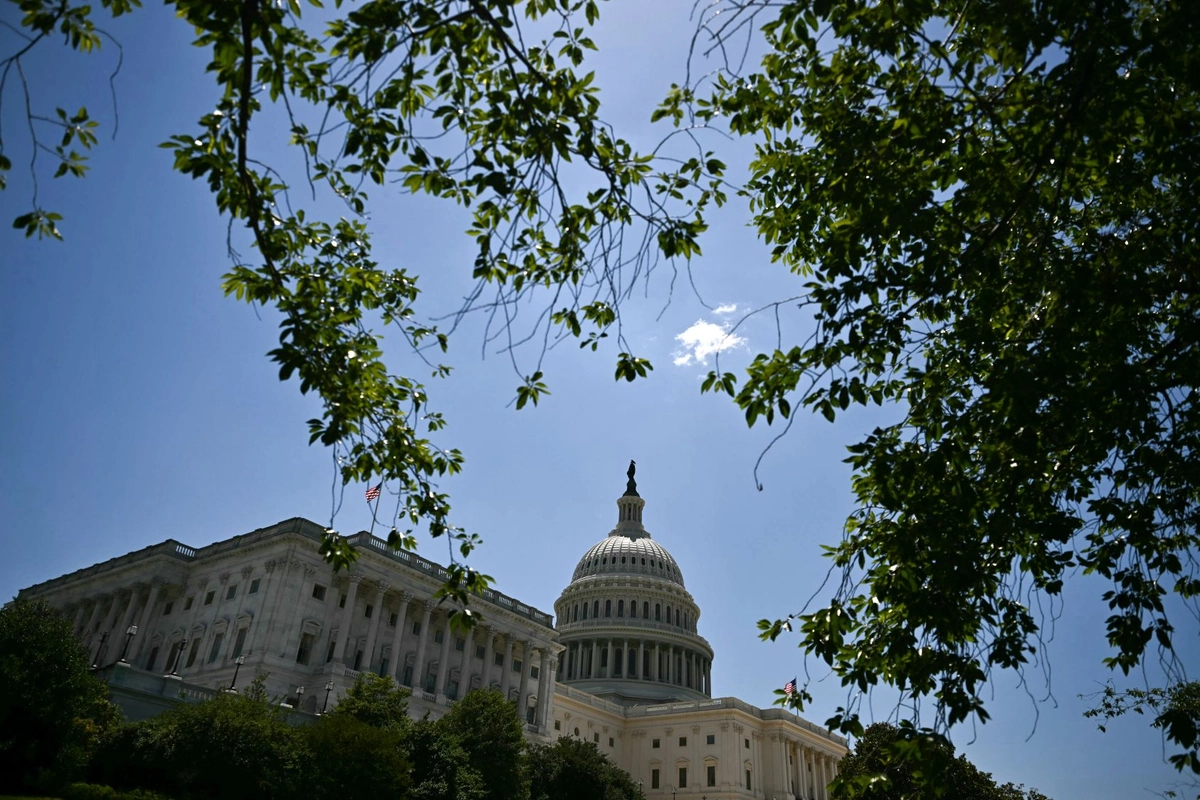
The Senate voted 52-47 early Friday to give Immigration and Customs Enforcement and the Border Patrol $70 billion, breaking a funding blockade that had left both agencies running without regular appropriations since February. The vote came shortly before 5 a.m., capping an all-night session, and now moves to the House, which does not plan to act on it until next week.
Only one Republican, Lisa Murkowski of Alaska, broke ranks. Every Democrat present voted no. Michael Bennet of Colorado did not vote.
Murkowski took issue with how the money was moved. Republicans used budget reconciliation, which let them pass the bill on a simple majority and sidestep the 60-vote threshold a filibuster would otherwise require. Funding the agencies for three and a half years through that process, she said, pulled them out of the normal appropriations channel the Senate has always used.
Where the money goes
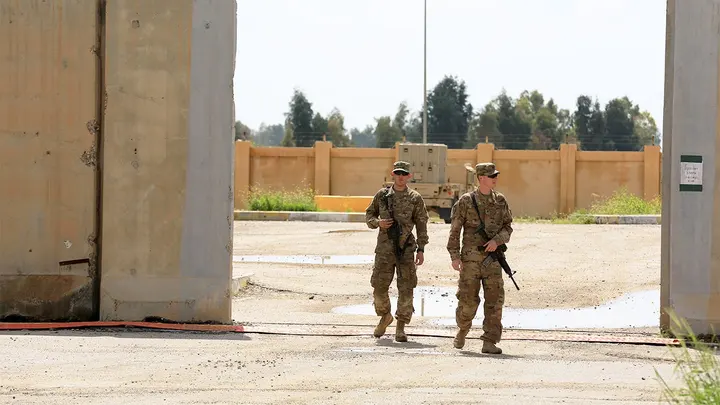
The bill puts $38.6 billion into ICE and $22.6 billion into the Border Patrol. Another $5 billion goes to the Department of Homeland Security, and $108.5 million is set aside for child exploitation investigations.
What it leaves out matters as much as what it contains. There is no security money for the White House ballroom, a line Republicans floated weeks ago and then dropped. And none of the restrictions Democrats spent months demanding made it in.
Democrats had wanted agents to secure judicial warrants before entering private property and to stop wearing masks. Republicans countered that those rules would make the job more dangerous. The final text sided with them by saying nothing at all.
The fund that nearly sank the bill
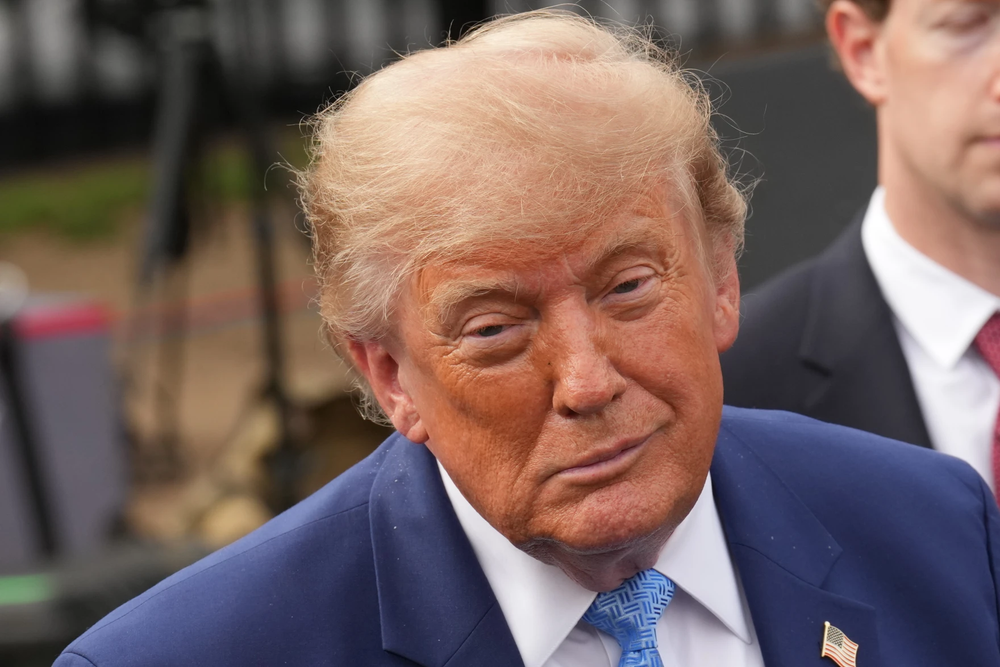
For weeks the holdup had little to do with immigration. It centered on a $1.8 billion settlement fund the administration created to resolve Trump's lawsuit against the IRS over the leak of his tax returns. The fund was designed to pay Americans who say the federal government targeted them.
Lawmakers in both parties worried about who would actually collect. Some warned the money could reach Trump allies and people convicted in the January 6 attack on the Capitol, and they took to calling it a slush fund. Acting Attorney General Todd Blanche told Congress on Tuesday the administration was not moving forward with it. Trump muddied that the next day, calling the fund "very important" and saying he did not know whether it was dead or on hold.
The mixed signals pushed a bloc of senators, some of them Republicans, to try writing a permanent ban into law. They came up short. Majority Leader John Thune of South Dakota, who has criticized the fund himself, kept steering colleagues back to the immigration money and treated the question as closed once Blanche had spoken.
Minority Leader Chuck Schumer of New York said Republicans had handed taxpayers a verbal promise instead of a binding bar. He called it a permission slip.
A long night on the floor
The final tally followed an 18-hour vote-a-rama, the open amendment stretch where senators can force votes on almost anything. They filed 29 amendments and motions before passage, and several cut against the president.
A Democratic amendment to kill the fund stayed open for hours while three Republicans made up their minds. It failed when Bill Cassidy of Louisiana voted no. Jon Husted of Ohio and Dan Sullivan of Alaska, both up for reelection, voted yes.
Thom Tillis of North Carolina offered his own version that would have banned the fund and shifted the money to an anti-fraud account at the Justice Department. More than ten Republicans backed it. It died anyway because most Democrats voted against it. Tillis argued that putting Blanche's stance into law would spare members from carrying the issue into the midterms.
Cassidy tried to route the settlement money to police hurt in the Capitol attack. That failed too. Eight Republicans supported a separate measure to block payments to January 6 defendants convicted of assaulting officers, but it never reached the 60 votes it needed.
Five months of deadlock
The fight goes back to January, when Senate Democrats said they would block any spending bill carrying money for Homeland Security after federal agents fatally shot two protesters, Renee Good and Alex Pretti, in Minnesota.
The two sides struck a deal to fund every agency except DHS. The gap hit airports first. The Transportation Security Administration could not pay its screeners, lines backed up across the country, and officers quit or stopped showing up. Congress later restored money for TSA, FEMA and the Secret Service while still leaving ICE and the Border Patrol out, and funded most of the department by the end of April.
Talks over enforcement reforms went nowhere after that. The two agencies kept operating without regular funding right up until Friday's vote. The bill now sits with the House, where Republicans have to pass it before it can reach the president's desk.
Author

We cover the world’s chaos so you don’t have to scroll twelve feeds to understand it.
Sign up for Atlas newsletters.
Stay up to date with curated collection of our top stories.