Keir Starmer said Monday he will resign as leader of the Labour Party and as prime minister, brought down by a revolt inside his own party less than two years after he swept it to a landslide election win. His exit sets up Britain's seventh prime minister in the ten years since the Brexit vote.
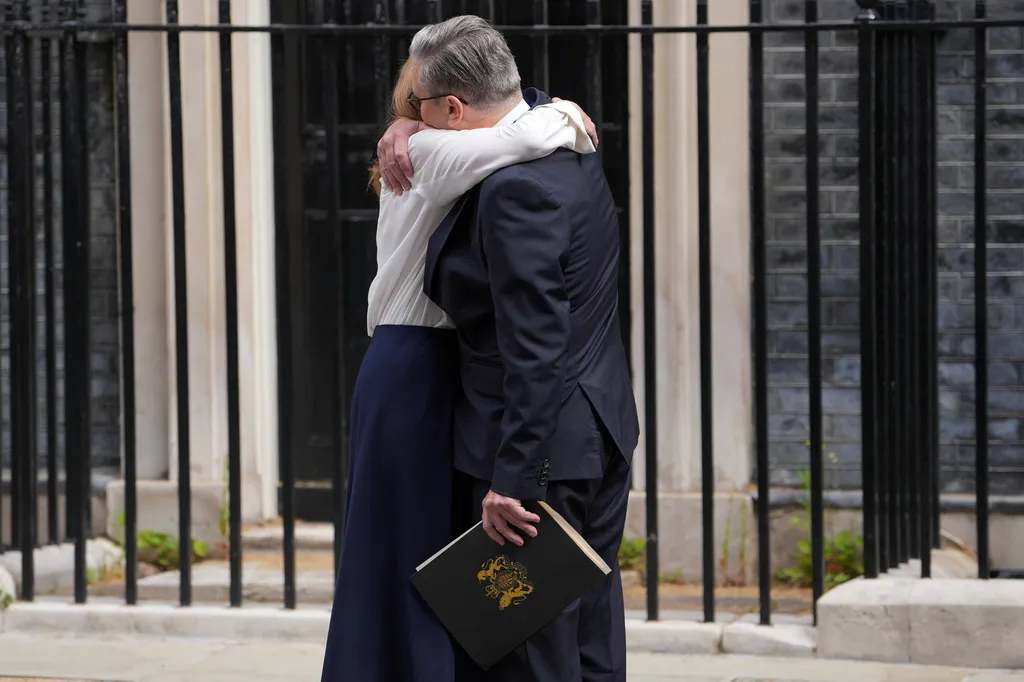
Speaking outside 10 Downing Street, his voice cracking near the end, Starmer said he had concluded he was no longer the right person to carry the party into the next election. "The question my party is asking now is whether I am best placed to lead us into the next general election," he said. "I have heard the answer of my parliamentary party to that question, and I accept that answer with good grace." He said he had informed King Charles III of his decision that morning.
The 63-year-old will stay on as caretaker prime minister until Labour picks a new leader. Nominations open July 9 and are to close before Parliament's summer recess, with a new leader in place by the time lawmakers return in September. If only one candidate clears the threshold, the handover could come by mid-July.
The trigger and the front-runner
What forced the issue was not a single vote but a single man. Andy Burnham, the former Greater Manchester mayor, won a special election in the Makerfield constituency on June 19, returning to the House of Commons after nearly a decade running the northwestern city. Because British party leaders must sit in the Commons, his return removed the last obstacle to a challenge, and Labour lawmakers began coalescing around him in the hope he could revive the party's sagging fortunes.
Burnham, 56, was sworn in as an MP on Monday afternoon, hours after Starmer's announcement, greeted by cheers from the Labour benches and a heckle of "He's not the Messiah!" from across the aisle. He later gathered with roughly 200 Labour MPs for a group photo. Within two hours of Starmer's speech, he confirmed he would run. "Keir has given huge service to our country," he said, calling for an orderly transition and adding, "I will put myself forward as part of this process."
His path widened quickly. Wes Streeting, the former health secretary who had resigned last month over Starmer's leadership and had been seen as Burnham's main rival, said he would not stand and threw his support behind him. Under Labour rules, a candidate needs nominations from 20 percent of the party's MPs to get on the ballot. If no one else clears that bar, Burnham could be installed without a contest, effectively crowned prime minister. Polling has shown him to be the most popular choice among party members.
From landslide to collapse
The fall has been steep. Starmer led Labour to a commanding majority in July 2024, ending fourteen years of Conservative government, and he leaves as the shortest-serving Labour prime minister in history. His standing began to slide almost immediately, starting with an unpopular move to strip winter fuel payments from millions of pensioners, a policy that had not been in the manifesto and was later reversed. He backed away from an inheritance tax on family farms, angered businesses with higher payroll taxes, and was dogged by a string of U-turns that left him open to the charge that he managed rather than led.
The clearest warning came in early May, when Labour was routed in local elections, shedding more than a thousand council seats and losing its grip on the Welsh Senedd for the first time since the body was created in 1999. Nigel Farage's Reform UK was the chief beneficiary, picking up seats across Labour's traditional strongholds, while the Greens gained in urban areas. Reform has led national opinion polls for over a year.
Starmer's judgment also came under fire over his appointment of Peter Mandelson as ambassador to Washington. Mandelson was later removed after new details emerged about the depth of his ties to the convicted sex offender Jeffrey Epstein, and Starmer eventually conceded to Parliament that his judgment had been wrong. A wave of resignations followed the May elections, with Streeting and others walking out; by the end, around twenty ministers had quit during his tenure, the last being Defense Secretary John Healey, who left the prior week over military spending.
Trump weighs in, and the world reacts
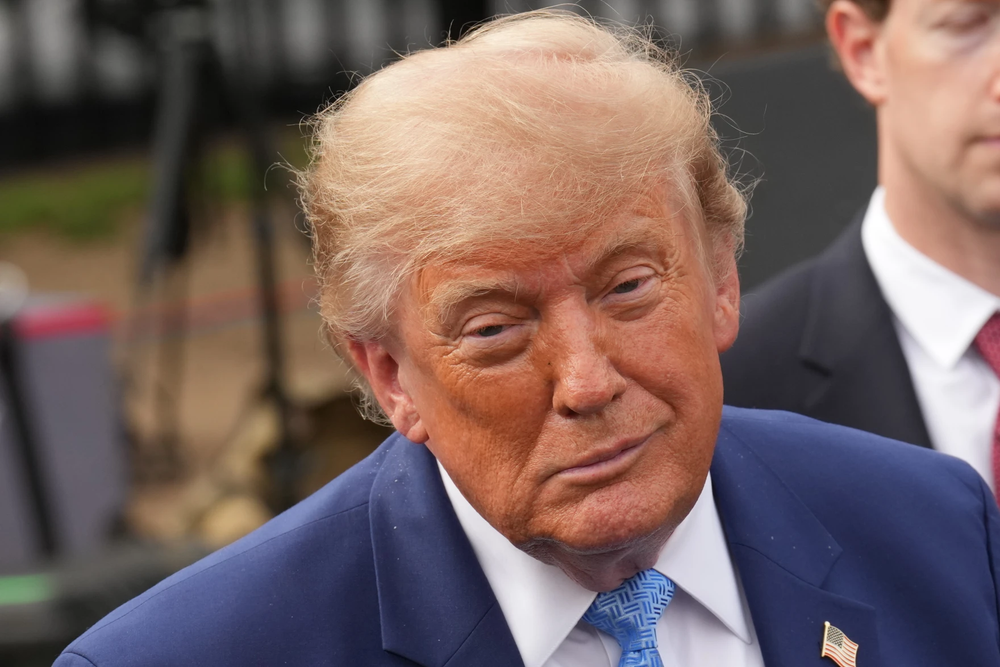
President Trump had predicted the resignation a day earlier, tying it to his familiar grievances. "Keir Starmer will resign as Prime Minister of The United Kingdom. He failed badly on two very important subjects- IMMIGRATION AND ENERGY (OPEN NORTH SEA OIL!). I wish him well!" he wrote on Truth Social. Their once-warm relationship had cooled over the Iran war, which Britain did not join after Starmer initially refused U.S. requests to use British bases before approving limited defensive cooperation, a stance that satisfied neither his anti-war backbenchers nor his critics. The two are due to meet again at next month's NATO summit in Ankara.
Abroad, the tone was warmer. European Commission President Ursula von der Leyen wrote that it could take many leaders years to grow into the statesman Starmer had become in two, crediting him with strengthening European and Ukrainian security. Ukrainian President Volodymyr Zelensky thanked him for support that he said had helped make Europe's defense stronger. At home, Starmer had drawn praise for rallying European backing for Ukraine and for steadying Britain through the economic shocks of the Iran conflict, even as his domestic agenda faltered.
An unelected handover and calls for a vote
The change at the top will not, by itself, trigger a national election. Britain's next vote need not come until 2029, and incoming prime ministers who take office mid-term are not required to call one. That has not stopped demands for a fresh mandate. Farage called immediately for a general election, writing that the public would not accept Westminster crowning Burnham "off the back of a single by-election." Liberal Democrat leader Ed Davey said voters were tired of an "endless merry-go-round of prime ministers."
The churn is by now familiar. Since the Brexit referendum in June 2016, Britain has cycled through David Cameron, Theresa May, Boris Johnson, Liz Truss, Rishi Sunak, and Starmer. Whoever succeeds him will be the seventh, inheriting a divided electorate, a resurgent Reform, and the same unmet promises on growth and the cost of living that helped end Starmer's brief time in office. Burnham, for his part, has yet to spell out a detailed program, and analysts cautioned that a change of face may not amount to a change of direction. Asked whether he would call an early election if he reached Downing Street, he deferred: "You're jumping several hurdles ahead."
Author

We cover the world’s chaos so you don’t have to scroll twelve feeds to understand it.
Sign up for Atlas newsletters.
Stay up to date with curated collection of our top stories.