Britain will pour an additional 15 billion pounds, roughly 20 billion dollars, into its armed forces over the next four years, outgoing Prime Minister Keir Starmer announced Tuesday, unveiling a long-delayed blueprint built around drones, autonomous weapons, and a warning that the country must prepare for a more dangerous world.
The Defense Investment Plan raises total planned defense spending to nearly 300 billion pounds through the end of the decade and lifts the annual budget to almost 80 billion pounds by 2029. Starmer cast the package as the centerpiece of his legacy, delivered days before he is expected to leave office, but critics from across the political spectrum called it too small and too slow to meet the threats Britain now faces.
What the Money Buys
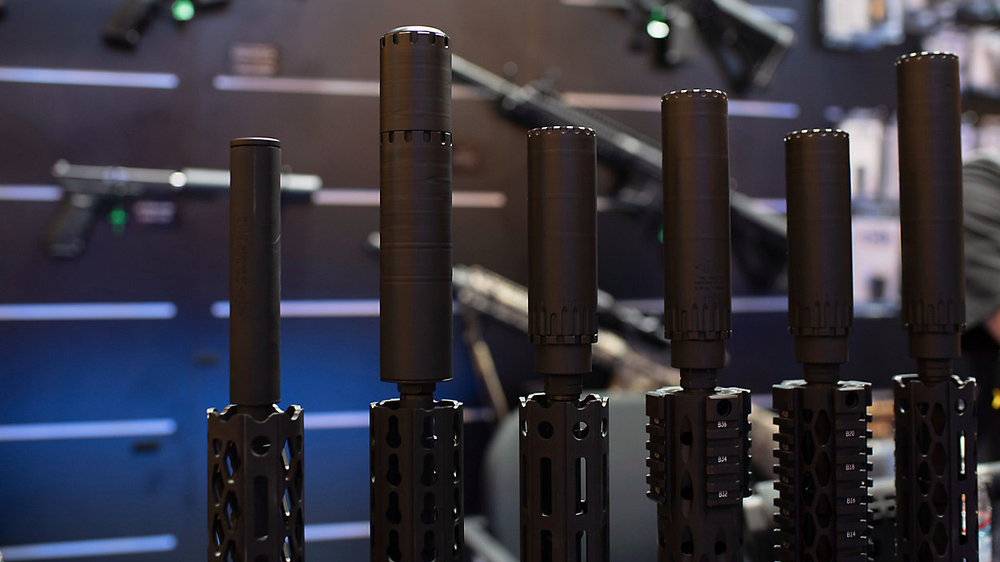
The plan bets heavily on the technology reshaping the battlefield. More than 5 billion pounds will go toward drones, autonomous weapons, and uncrewed systems over the next four years, described by the Ministry of Defense as the largest such investment in British military history.
Starmer delivered the announcement at a drone manufacturer near London, telling the audience the very nature of conflict was changing before their eyes. He pointed to Ukraine, where forces using cutting-edge technology have destroyed much of Russia's Black Sea fleet and struck deep inside Russian territory. Ukraine now burns through some 200,000 drones a month defending against Russian forces, a figure that has plainly shaped London's thinking.
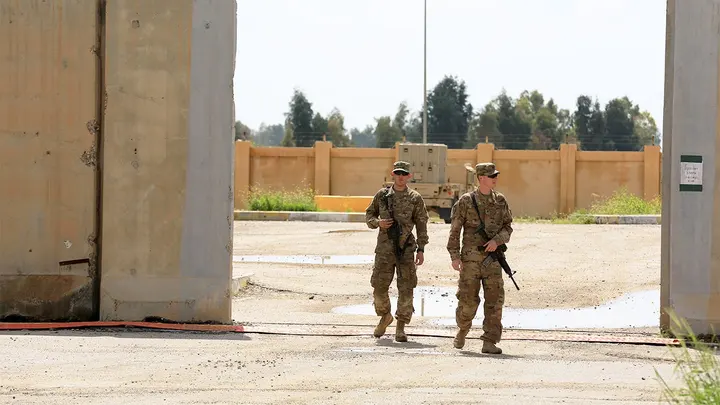
The hardware list runs across all three services. The Royal Navy will receive six new warships while building toward a hybrid fleet that pairs traditional vessels with autonomous surface and underwater drones; in place of a planned run of new destroyers, it will get hybrid ships designed to act as command hubs for drones. The Army will field autonomous combat drones alongside its Apache helicopters, and the Royal Air Force is developing fighter aircraft capable of flying without a pilot by 2030.
Roughly 8 billion pounds is earmarked for a next-generation stealth fighter being built jointly with Japan and Italy, and about 11 billion pounds will go toward rebuilding weapons stockpiles and munitions production. The single largest line item, some 63 to 64 billion pounds, will modernize Britain's nuclear deterrent, funding submarines, a new warhead, and the purchase of 12 F-35A jets.
A Plan Born of Political Turmoil
The blueprint arrives after more than nine months of delay and a bruising fight inside Starmer's own government over how much to spend. Two defense ministers quit this month over the proposals. Defense Secretary John Healey resigned on June 11, accusing the government of underspending at a time of rising threats and warning the plans risked leaving Britain less safe. Junior Defense Minister Al Carns also stepped down.
Those departures were among the blows that led Starmer to announce his own resignation last week. His likely successor, former Greater Manchester mayor Andy Burnham, could take office as early as July 20, and would inherit both the plan and the pressure to honor it. Starmer acknowledged as much, calling the blueprint a platform on which his successor would build.
The 15 billion pounds in new money exceeds the 13.5 billion the Treasury had originally offered Healey, but falls well short of the 28 billion that defense chiefs said was needed to close the funding gap over the next four years. Healey, speaking in the House of Commons on Tuesday, said Britain needed a credible plan to hit 3 percent of GDP and meet its NATO commitment of 3.5 percent by 2035.
The Spending Targets and the Gaps
Under the plan, defense spending reaches 2.7 percent of GDP by 2029, up from 2.3 percent in 2024, a level the Treasury says would be the highest since the Cold War. Starmer said the 3 percent target would be reached in the next Parliament, a window that could stretch to 2034, and that Britain remained committed to NATO's 3.5 percent core-defense goal by 2035, though the path there remains unclear.
How the increase is financed drew scrutiny. Starmer said much of the money would come from reallocating spending across government, with some road and energy projects scrapped or postponed. A government document published after his speech showed 4 billion pounds coming from cuts to long-term public investment and a further 2.8 billion from transport and energy projects, while another 4.7 billion, nearly a third of the new funding, was marked as still to be found at the 2026 budget, a decision that would fall to his successor.
Allies Approve, Critics Push Back
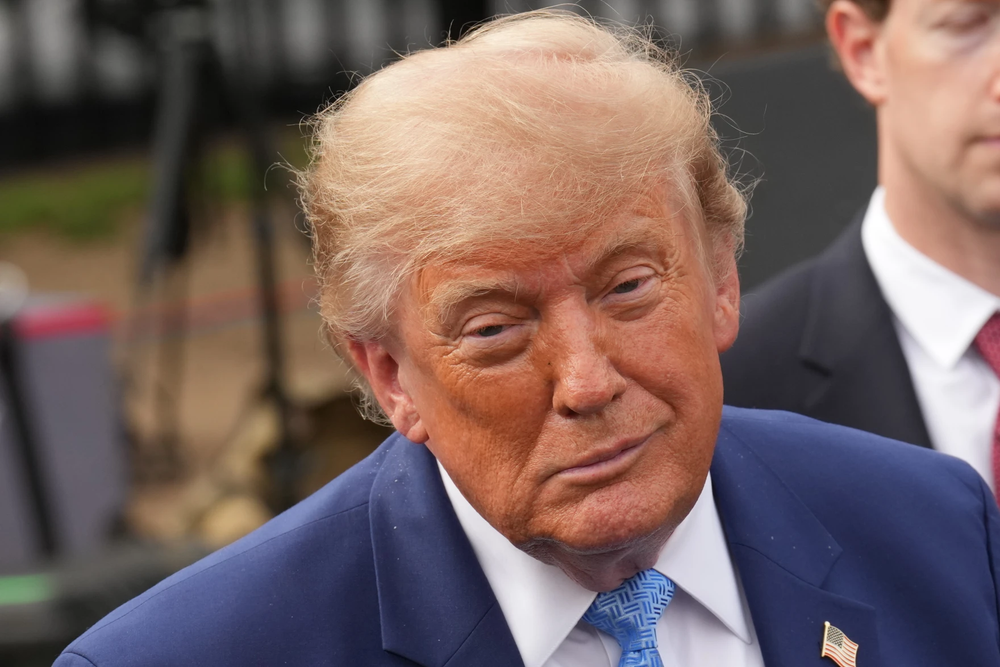
The announcement landed amid sustained pressure from Washington. President Trump has repeatedly pressed NATO members to spend more and lean less on the United States, at times calling for targets near 5 percent of GDP. Alliance members agreed last year to spend 5 percent by 2035, split between 3.5 percent for core defense and 1.5 percent for broader security. British officials said the plan puts the country on track to meet those goals and would take spending to 4.2 percent under that combined measure.
NATO Secretary-General Mark Rutte welcomed the plan as a good step toward the 3.5 percent agreed in The Hague. BAE Systems, Britain's largest defense contractor, said the commitment gave the industry clarity and would help sustain specialist skills across its base. Defense Secretary Dan Jarvis, Healey's successor, said the money sent a clear signal to allies and adversaries that Britain was stepping up.
The criticism was blunt. Conservative defense spokesman James Cartlidge called the plan too little, too late, and party leader Kemi Badenoch said it was barely half of what the armed forces say they need. Liberal Democrat leader Ed Davey called it late and underfunded. Retired Royal Navy commander Tom Sharpe dismissed it as cost-cutting by another name and said the hybrid navy was chronically underfunded. Retired General Richard Barrons, who helped lead the review behind the plan, put it starkly, saying Britain was not keeping up with its allies or its enemies and could no longer count on the United States to come to Europe's rescue.
Starmer will carry the plan to a NATO summit in Ankara on July 7 and 8, likely his final overseas trip as prime minister, where he will seek to show that Britain is on course to meet its commitments. Whether the funding survives contact with the next government, and the next budget, is a question he leaves behind.
Author

We cover the world’s chaos so you don’t have to scroll twelve feeds to understand it.
Sign up for Atlas newsletters.
Stay up to date with curated collection of our top stories.