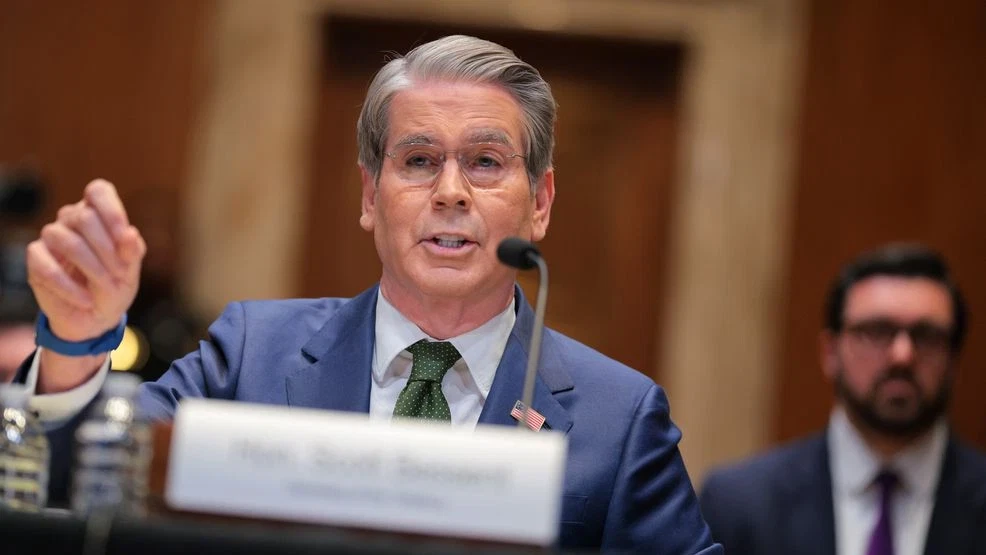
The Treasury Department is examining whether to tap frozen Iranian assets to help Gulf states repair the damage they absorbed during the war with Iran, a move that could complicate already strained talks between Washington and Tehran.
Treasury Secretary Scott Bessent has directed his staff to study the idea and to gather hard numbers. According to people familiar with his thinking, he has asked the department to survey conditions among the Gulf allies and to request detailed estimates of what it would cost to repair the destruction Iran has caused since the conflict began on Feb. 28.
The framing of the plan is broad. One person briefed on it said the Treasury intends to use every available authority to make Iranian assets available for rebuilding and for repairs tied to any future damage Iran might inflict, and that officials would also weigh whether those assets could cover losses already sustained.
What remains unsettled is which assets would actually be used. Officials have not specified whether the money would come from Iranian cash sitting in frozen accounts or from hard assets such as oil tankers and other ships the United States has seized.
The money in question
At the center of the discussion is roughly $24 billion in Iranian funds frozen abroad by the United States, a sum that has loomed over the negotiations for weeks.
Those assets are not a side issue in the diplomacy; they are one of its main obstacles. Iran has insisted that any agreement require the lifting of sanctions so the frozen money can be released. Tehran has pressed for $12 billion to be freed immediately upon the signing of an interim deal, with a second $12 billion to follow at a later stage.
American officials have been wary of moving first. Releasing the funds now, some fear, would strip Washington of one of its few remaining points of leverage in talks that have repeatedly stalled.
Tallying the destruction
The push to quantify the damage reflects how widely the fighting has spread across the region. Since the war broke out in late February, Iran has launched intermittent missile and drone strikes on every Gulf state, including Saudi Arabia, the United Arab Emirates, Kuwait, Bahrain, Qatar, and Oman.
Some of those strikes have been costly. An attack on Kuwait's international airport last week killed one person and wounded more than 60, and U.S. Central Command reported that Iran fired seven ballistic missiles toward Kuwait and Bahrain at dawn. Dozens of energy and infrastructure sites across the Gulf have been hit, most of them during March and April, with one assessment putting the resulting damage at roughly $58 billion.
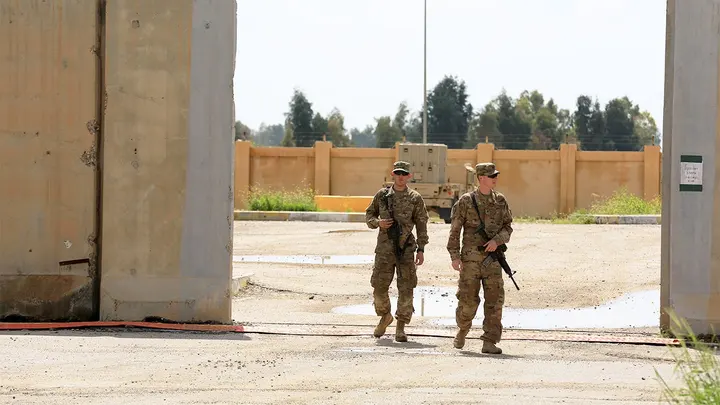
The military pressure has not eased even as diplomats work the phones. U.S. forces shot down at least six Iranian drones on June 6, a sign that the threat to shipping in the Strait of Hormuz persists. The United States continues to blockade Iranian ports, a step Trump ordered after Iran brought traffic through the strait to a near halt.
Tehran pushes back
Iran has rejected the premise that its money should pay for damage in the Gulf, and it has turned the question of compensation around.
Iranian officials argue that it is their country, not the Gulf states, that deserves reparations. Tehran maintains that the war began with a surprise attack and that it has borne the heaviest losses to its own infrastructure and economy. Estimates of that damage run high; one Washington research group has put Iran's economic losses well above $100 billion, with its model pegging the figure at $144 billion, or about 40 percent of prewar output.
The language from Tehran has been pointed. A senior Iranian official said regional governments were "not in a position to demand reparations," adding that Iran's assets were "neither war spoils for Washington nor a payment fund for its allies." Mohsen Rezaei, an adviser to Iran's supreme leader, framed the frozen funds as a test the United States must pass, telling CNN that "this is our money, not the money of the United States."
A plan that could backfire on the talks
For all its appeal to damaged allies, the proposal carries a clear risk: it could push the two sides further apart at a moment when both have described a deal as close.
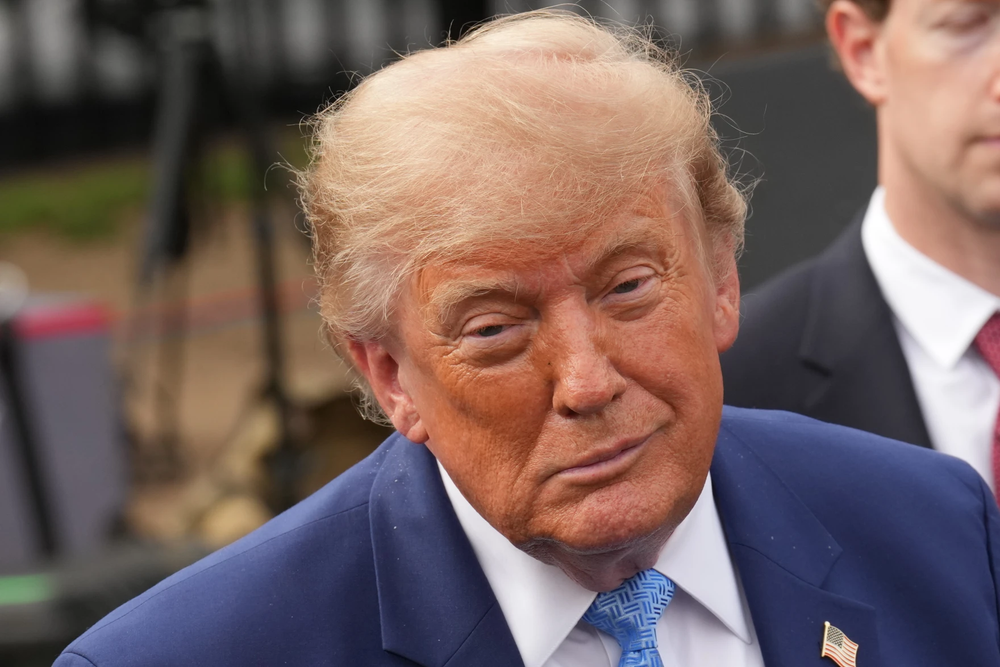
Trump signaled he is in no hurry to let the money go. Asked about the assets in a Sunday interview, he said the United States would not unfreeze them until a long-term peace deal was reached. "If they behave, if they do a good job, we start talking," he said.
The asset question sits inside a larger and unfinished negotiation. The two governments reached a tentative understanding about a week ago to extend the ceasefire by 60 days and open a new round of talks on Iran's nuclear program, though Trump has called for unspecified changes and Iran has shown no public sign of accepting the terms. Mediators continue to shuttle messages, with a Pakistani envoy traveling to Tehran over the weekend carrying word from Islamabad's military leadership.
Whether Bessent's team ultimately acts remains an open question, and no official confirmation of a finished plan has been issued. What is clear is that redirecting Iranian money to the Gulf would test a fragile truce that has already shown how quickly it can fray, with each side treating the same pool of frozen funds as leverage it cannot afford to surrender.
Author

We cover the world’s chaos so you don’t have to scroll twelve feeds to understand it.
Sign up for Atlas newsletters.
Stay up to date with curated collection of our top stories.