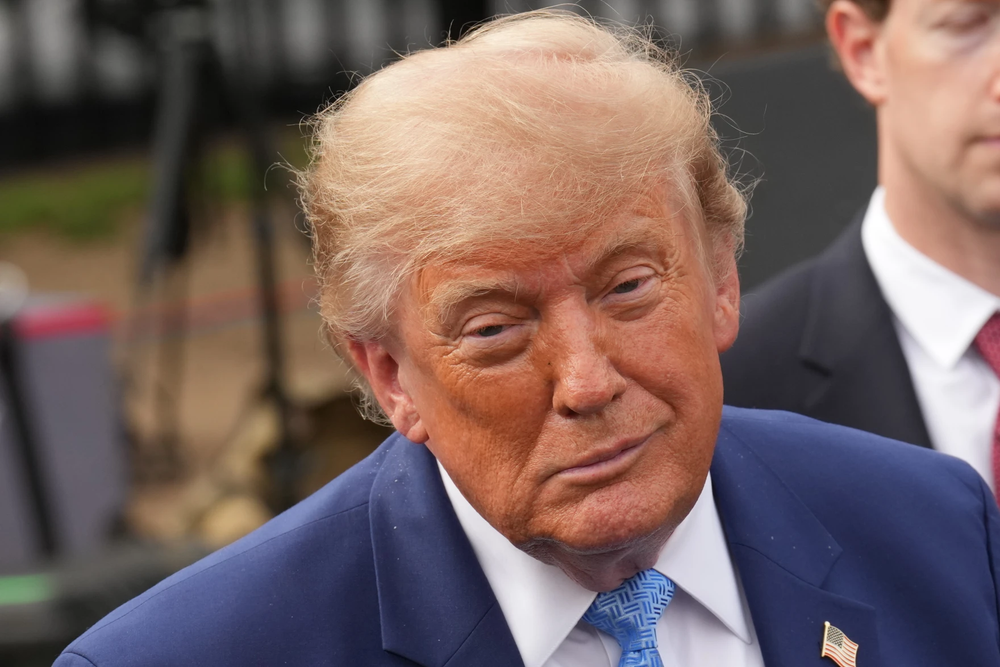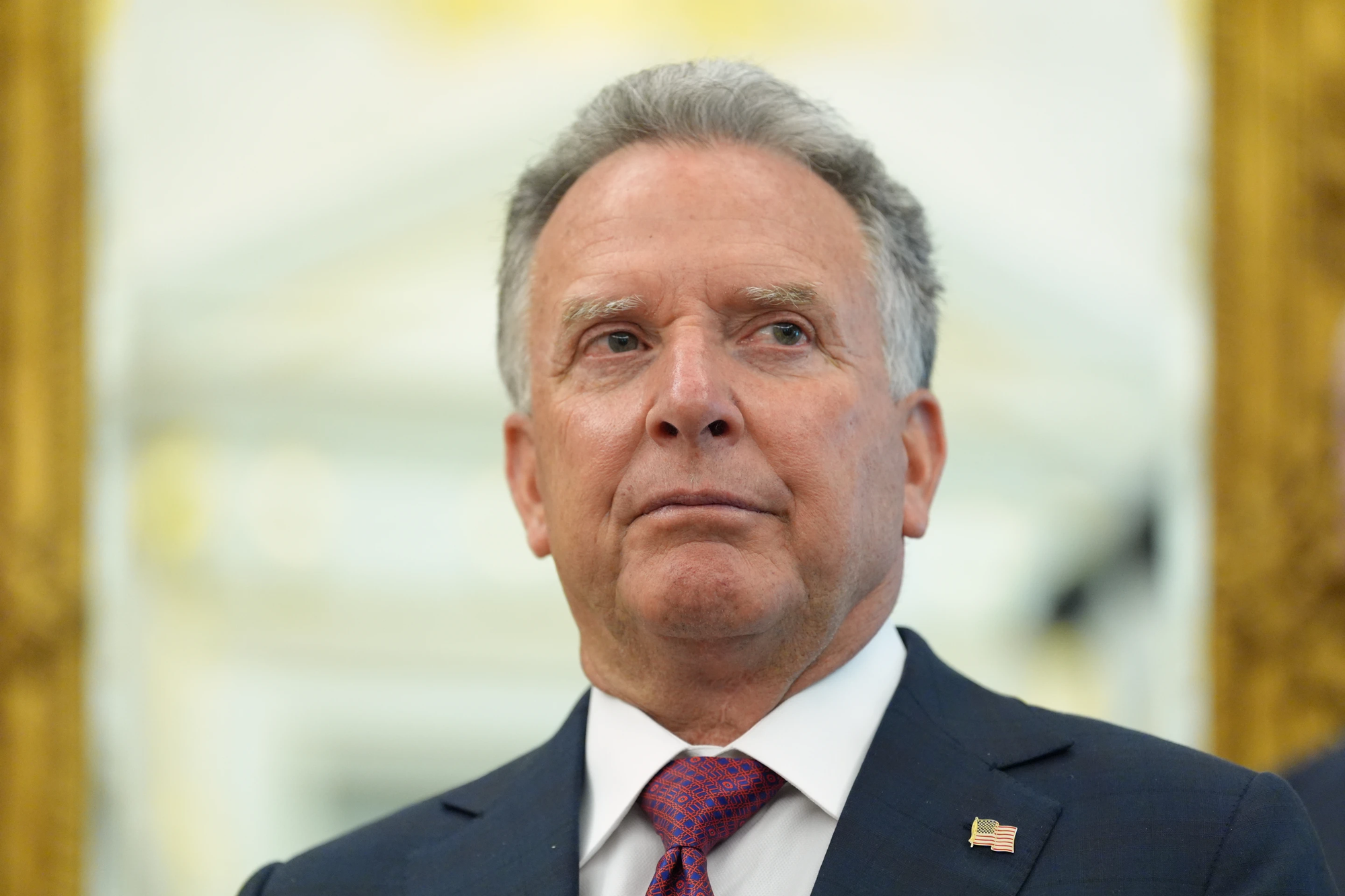
Two of President Trump's top envoys touched down in Doha on Tuesday to meet with Qatari mediators over an interim deal to end the war with Iran, arriving days after a weekend of strikes in the Strait of Hormuz nearly unraveled a fragile ceasefire. But the trip opened with a familiar disconnect: Trump said Iran had asked for a meeting, and both Tehran and Qatar said no such meeting was on the calendar.
Steve Witkoff, Trump's special Middle East envoy, and Jared Kushner, his son-in-law and senior adviser, came to press forward on a memorandum of understanding the two governments signed earlier this month. The document halts fighting on all fronts, reopens the strait, and gives each side 60 days to reach a permanent agreement covering Iran's nuclear program and US sanctions.
Who Is Meeting, and Who Is Not
The central question hanging over the visit was whether the Americans and Iranians would talk directly. Qatar's answer was no. Foreign Ministry spokesman Majed al-Ansari said Witkoff and Kushner were in Doha to see mediators and Qatari officials, not their Iranian counterparts, and that no high-level or direct meetings between the two sides were scheduled in the coming days.
Iran drew the same line. Foreign Ministry spokesman Esmail Baghaei said no meeting at any level with the American side had been arranged, and that Tehran's technical negotiators were coming to consult with Qatari officials about carrying out parts of the framework, chiefly the release of Iran's blocked assets. Iran's delegation, led by deputy foreign minister Kazem Gharibabadi, was set to hold its first session with mediators on Wednesday.
That account clashed with what Trump had said a day earlier. He posted that Iran had requested talks and that they would take place Tuesday in Doha, later hedging that the meeting might prove important or might not. His press secretary told Fox News that Witkoff and Kushner were flying in for high-level meetings. Qatar, for its part, confirmed that Prime Minister Sheikh Mohammed bin Abdulrahman al-Thani met the two envoys, and said technical talks between lower-ranking officials were ongoing and could later be raised to a senior level.
The Strait at the Center
Driving the urgency is the Strait of Hormuz, the waterway that carried about a fifth of the world's oil and liquefied natural gas before the war began on February 28. Iran's attacks and threats had choked off traffic, and reopening the strait is a core promise of the framework deal.
The weekend showed how quickly that promise can fray. After efforts to open Oman's territorial waters on the southern side of the strait to two-way traffic, Iran struck a cargo ship, having warned that vessels must use its own waters to the north. US Central Command said it hit 10 Iranian military targets in response to what it called continued aggression against commercial shipping, and Iran said it retaliated against American bases in Kuwait and Bahrain, both of which condemned the strikes. By Sunday night, a US official said both sides would stand down for now and that vessels could move freely.
Iran has not backed off its larger claim. Its top negotiator, Mohammed Baqer Qalibaf, said sovereignty over the strait rests with Iran and Oman and that traffic is subject to arrangements Iran determines. Iranian officials signaled they intend to impose tolls when the 60-day window expires in mid-August. Vice President JD Vance rejected that outright, saying Iran would not end up collecting tolls on ships passing through an international waterway, and asserting that oil flows had returned to prewar levels.
Money, Sanctions, and Lebanon
Beyond the strait, the talks turn on frozen money and the terms of the truce. Iranian President Masoud Pezeshkian said Qatar planned to release $6 billion of roughly $12 billion in blocked Iranian assets. A US official confirmed the figure and said the funds would be used to buy American food products for the Iranian people. Al-Ansari said the release depended on progress in US-Iran talks that had not yet taken place.
The framework also folds in the conflict between Israel and Hezbollah in Lebanon. Gharibabadi said the Iranian delegation would focus on implementing clauses tied to both Lebanon and the strait, and warned that a war of this scale would inevitably bring implementation challenges and disputes, particularly where Israel was involved. A lull in the Lebanon fighting has held in the days since the deal was announced, though Lebanese parliament speaker Nabih Berri, a Hezbollah ally, cast doubt on a separate US-brokered framework between Lebanon and Israel, which analysts said risks stalemate by linking Israel's withdrawal from southern Lebanon to Hezbollah's disarmament.
A Deal Under Strain
The Doha meetings mark the return of a negotiating team that has been at the center of Trump's regional diplomacy. Witkoff has served as the administration's lead Middle East envoy since the start of Trump's second term, and Kushner has worked alongside him, building on his role brokering the Abraham Accords in the first term. The two attended the first round of talks with Iran in Switzerland roughly a week earlier, a session that also drew Vance and Qalibaf, and where mediators from Qatar and Pakistan reported encouraging progress and the creation of a communication line for safe passage through the strait.
That progress has not stopped the fighting from flaring. Even as the envoys arrived, there were signs Trump was weighing his options. The Wall Street Journal reported that he had discussed further strikes with Defense Secretary Pete Hegseth and Joint Chiefs Chairman General Dan Caine, while for now choosing to give diplomacy more room. The war has pushed up global inflation and added political pressure ahead of November's midterm elections, with Trump and Treasury Secretary Scott Bessent both urging gasoline retailers to lower prices.
For now, the two sides remain apart on the basics, still sorting out the terms of a ceasefire signed two weeks ago before they can turn to the harder questions of Iran's nuclear program and a lasting peace. Qatar said the technical talks had not stopped and would continue this week across separate tracks covering the nuclear issue, economic matters, and regional security. Whether those quiet, mediator-run sessions can hold the framework together, with the clock running toward the mid-August deadline and the strait still contested, is the question the Doha meetings leave unresolved.
Author
We cover the world’s chaos so you don’t have to scroll twelve feeds to understand it.
Sign up for Atlas newsletters.
Stay up to date with curated collection of our top stories.