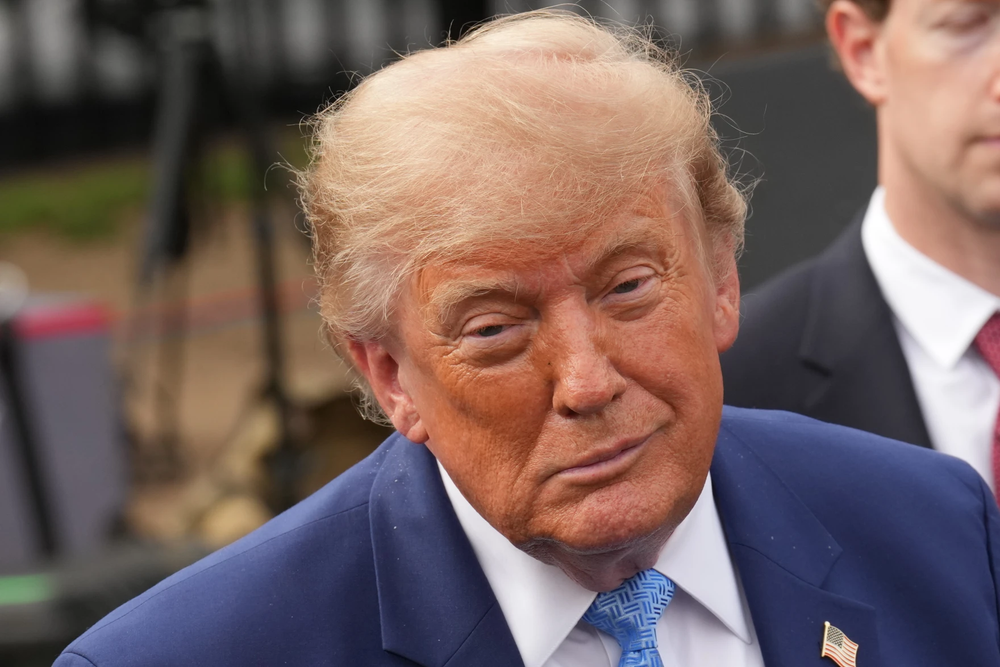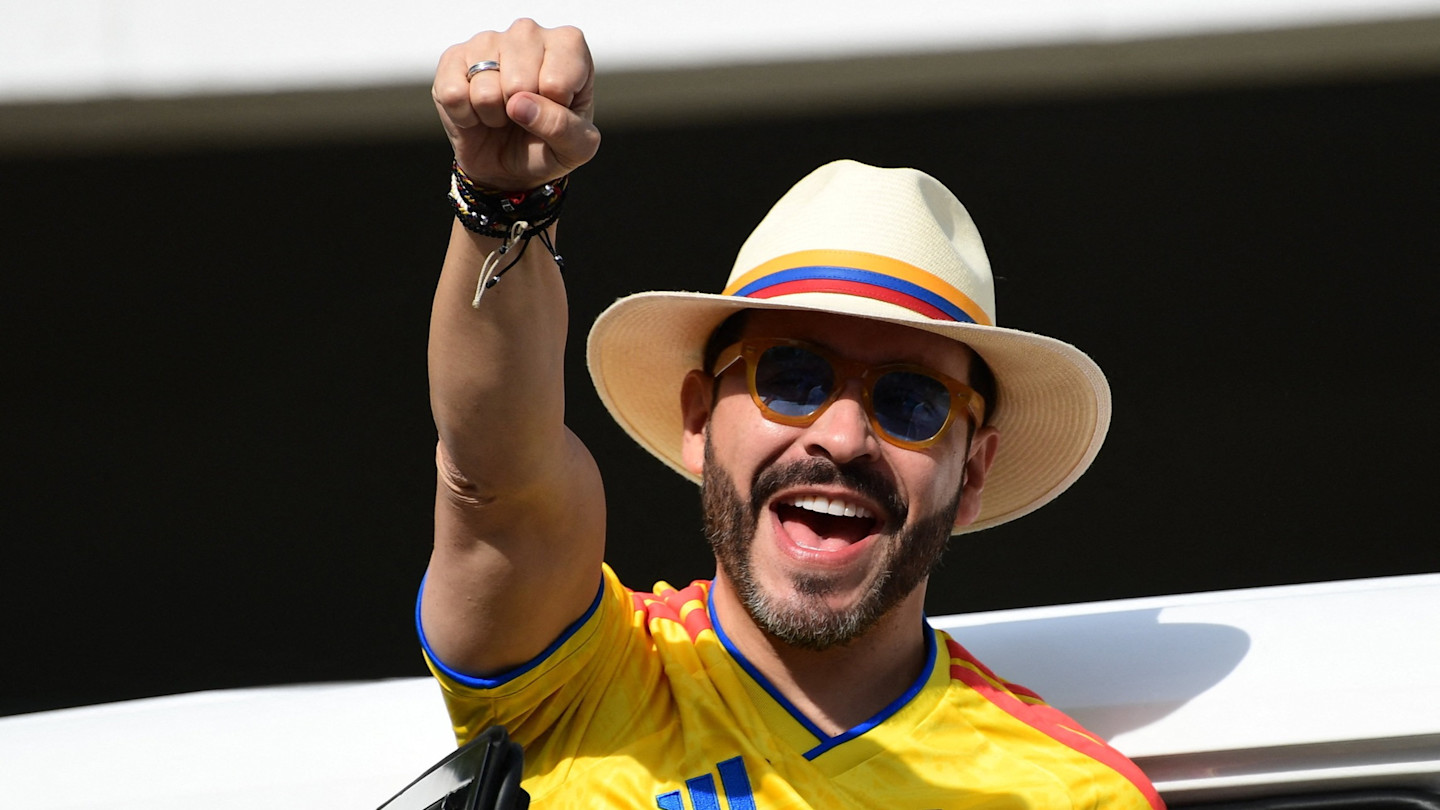
Colombia elected a Trump-backed lawyer who has never held office to its presidency on Sunday, handing the right its first national victory in eight years and ending the country's brief experiment with the left.
Abelardo de la Espriella took 49.66 percent in the runoff. His opponent, leftist senator Iván Cepeda, took 48.70. The margin was about 250,000 votes out of more than 25 million, with 99.99 percent counted.
De la Espriella spoke that night from Barranquilla, the Caribbean port where he keeps both his law firm and his campaign headquarters. He stood behind bulletproof glass, as he had for most of the race. "I will govern for all Colombians," he said, and told the people who voted against him they would never have to fear thinking differently. He takes office August 7 for four years.
Nobody has called it official
Cepeda would not concede. He said the quick count was not binding and that his lawyers were challenging results at more than 30,000 polling stations. He did not produce evidence, and no recount has ever overturned a Colombian presidential result.
President Gustavo Petro, who is barred from running again and had thrown his weight behind Cepeda, went on X to say neither man could be declared president until electoral judges signed off on the count. He claimed irregularities. He told the country to stay calm. "The reality is that our country is split down the middle, and foreign interference is taking away our freedom," he wrote.
Petro said much the same after the first round in May, alleging fraud without proof. The gap between that preliminary count and the certified one turned out to be less than a tenth of a percent. The official scrutiny this time is expected to take a couple of days.
Not everyone waited quietly. In Cali, Cepeda's supporters burned American flags and fought with riot police.
Washington got on the phone fast
Trump called to congratulate him, de la Espriella said, minutes after the numbers settled. The president put it more bluntly on Truth Social: "He Won, BIG!" Secretary of State Marco Rubio said he had phoned the president-elect and posted that the administration would work with him on regional security, illegal immigration and trade. "Colombia's best days are ahead," Rubio wrote.
The endorsement was not new. Trump had given de la Espriella his "complete and total" backing earlier in the month, after the first round, and promised him the full strength of the United States. The two have plenty in common. De la Espriella holds American as well as Colombian citizenship, took out U.S. papers in 2023 after years in Miami, where he owns property, and calls himself a member of the Republican Party.
That alignment marks a hard turn from the Petro years, when the Colombian leader and Trump traded insults over migration, tariffs and U.S. strikes in the region, straining a partnership Washington had long counted among its closest in Latin America. De la Espriella's win fits a regional pattern. Right-wing governments now hold Argentina, Chile, Ecuador, El Salvador, Honduras and Bolivia, and once Petro leaves, only a handful of leftist governments will remain on the continent.
The Tiger
De la Espriella, 47, made his name and his money as a criminal defense attorney. He calls himself "El Tigre." His client list drew scrutiny during the campaign: among those he represented were Alex Saab, an associate of Venezuela's Nicolás Maduro who was extradited to the United States on money-laundering charges, and the man behind one of the largest pyramid schemes ever to hit Colombian savers. He has said that is what defense lawyers do.
Outside the courtroom he built businesses in liquor, real estate and menswear, and he runs a loud social media operation, posting videos of himself singing old standards in Spanish and showing off a Rolls-Royce and a private jet. He entered the race last July, a month after a conservative senator and presidential contender, Miguel Uribe, was shot at a campaign event. Uribe died two months later.
Analysts say his brand of conservatism is something Colombia has not seen. "This is an outsider right, anti-establishment, focused on cultural battles," political consultant Ruben Erazo said, placing him closer to Milei, Bukele, Kast and Trump than to Colombia's old conservative parties. "It speaks the language of social media rather than party headquarters." Erazo argued the win owed less to any policy blueprint than to anger at Petro: "He won through emotional identity that channelled public frustration."
A mandate built on fear of violence
Security drove the vote. A decade after Colombia signed its peace deal with the FARC, the killing has come roaring back. Armed groups and cartels have doubled their ranks since Petro took office in 2022, to more than 27,000 fighters, fighting over cocaine routes and illegal mines. Authorities logged 14,780 homicides last year, the most since at least 2015.
De la Espriella wants to scrap Petro's "total peace" talks and send the military after the guerrillas and traffickers head-on. He has promised ten maximum-security "mega-prisons," some in the jungle, and said he would seek U.S. help for airstrikes on coca plantations and drug boats. On the economy he wants to open the country to fracking, undo Petro's freeze on new oil and mining contracts, and shrink the state. His running mate, former finance minister José Manuel Restrepo, will run that effort.
He inherits a hard hand. Congress is split, Petro's coalition holds the most seats without a majority, and de la Espriella arrives with no major party behind him, meaning he will have to bargain with the right and center to pass anything. Cepeda's near-miss, meanwhile, was the strongest showing the Colombian left has ever put up in a runoff. Will Freeman, a Latin America fellow at the Council on Foreign Relations, said the result showed the country "has not shifted overwhelmingly or decisively" in either direction, and noted a quirk of the map: the iron-fist message ran strongest in Colombia's interior, not in the borderlands that have borne the worst of the war.
Author

We cover the world’s chaos so you don’t have to scroll twelve feeds to understand it.
Sign up for Atlas newsletters.
Stay up to date with curated collection of our top stories.