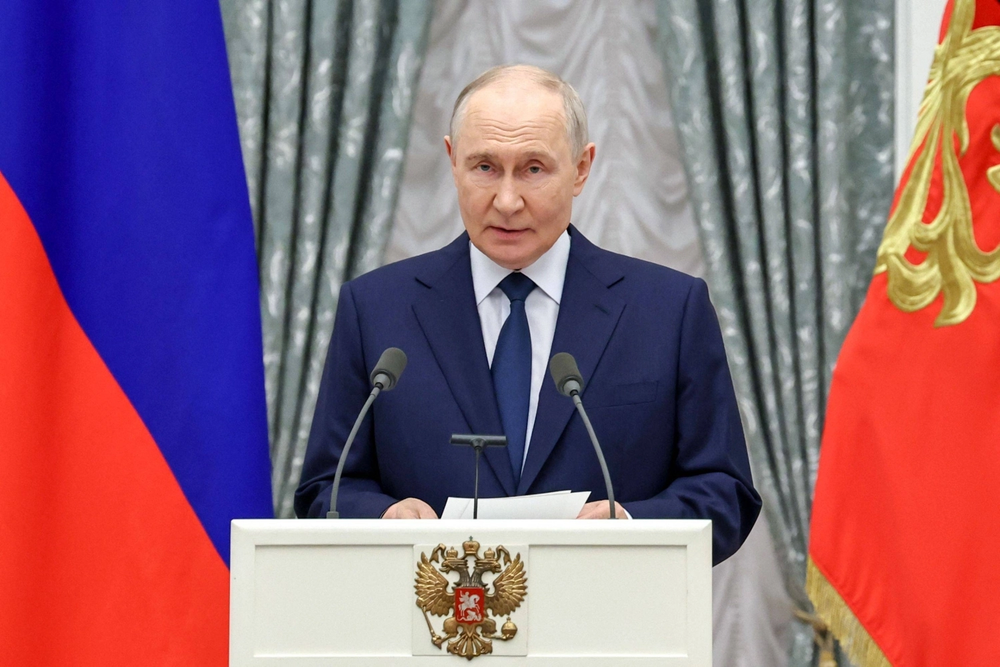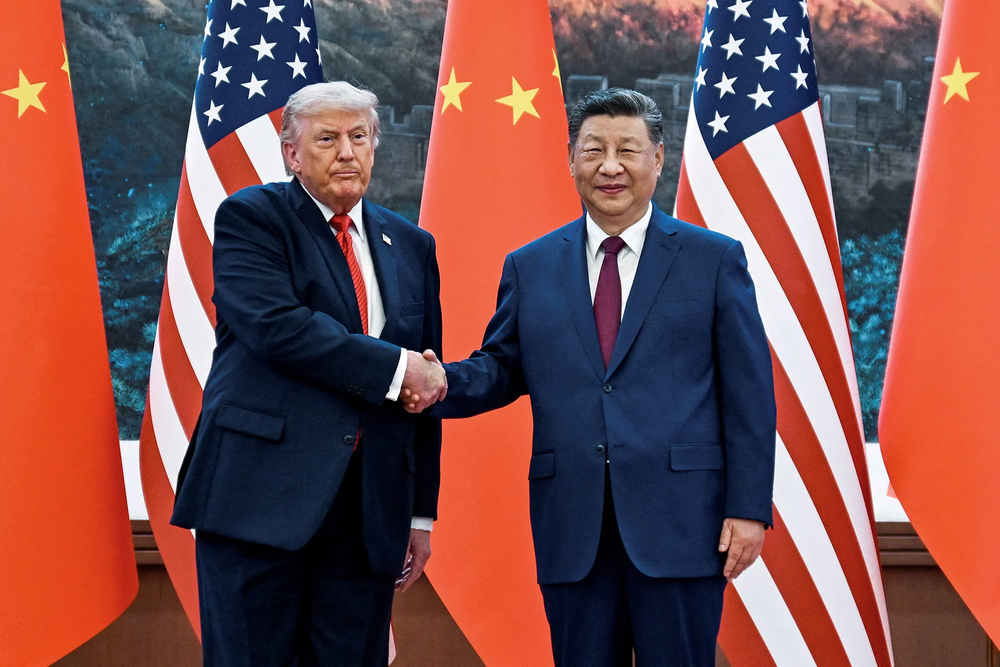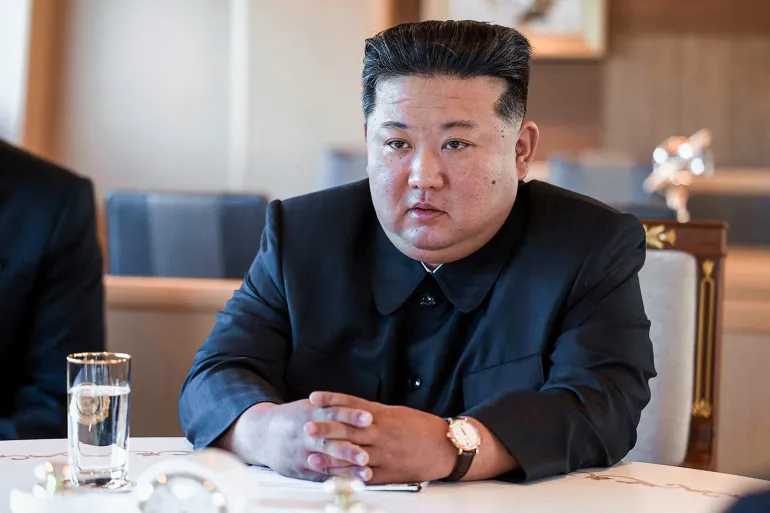
For decades, American policymakers have operated under the assumption that North Korea's nuclear ambitions could be managed through a familiar diplomatic playbook: engagement, negotiation, and the calculated dispensation of sanctions relief and security assurances. This approach, rooted in the belief that Pyongyang's provocations were fundamentally transactional in nature, has shaped multiple rounds of talks from the Agreed Framework through the Six-Party Talks to the Trump-Kim summits. Each iteration followed a predictable pattern—diplomatic engagement aimed at denuclearization in exchange for economic aid and security guarantees, broad international sanctions to pressure North Korea into negotiations, and offers of non-aggression pacts or peace treaties in return for steps toward denuclearization.
Remaining content is for paid members only.
Please subscribe to any paid plan to unlock this article and more content.
Subscribe NowAuthor

We cover the world’s chaos so you don’t have to scroll twelve feeds to understand it.
Sign up for Atlas newsletters.
Stay up to date with curated collection of our top stories.