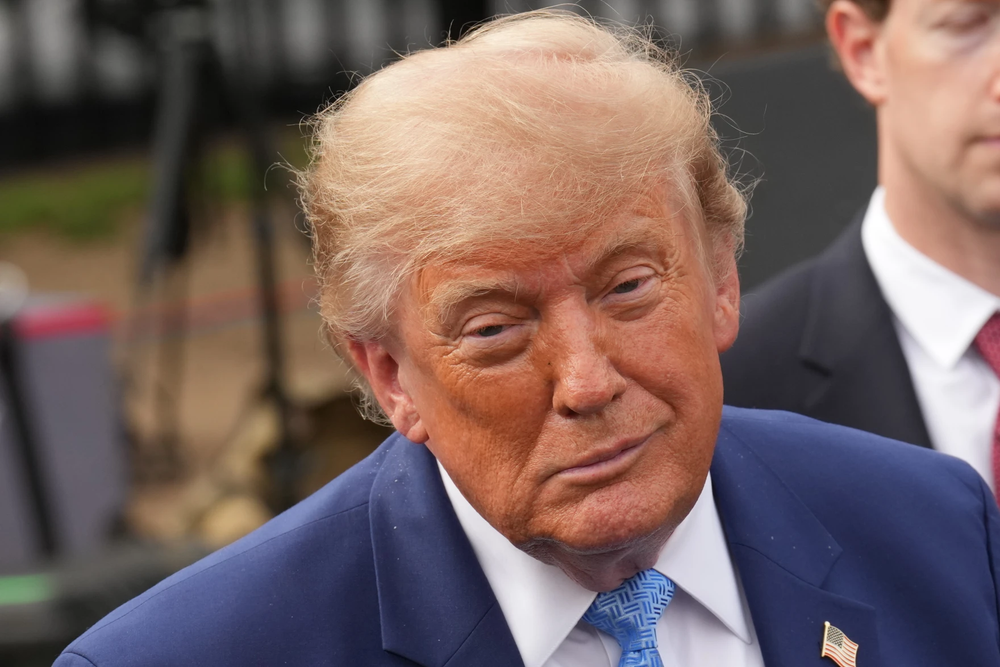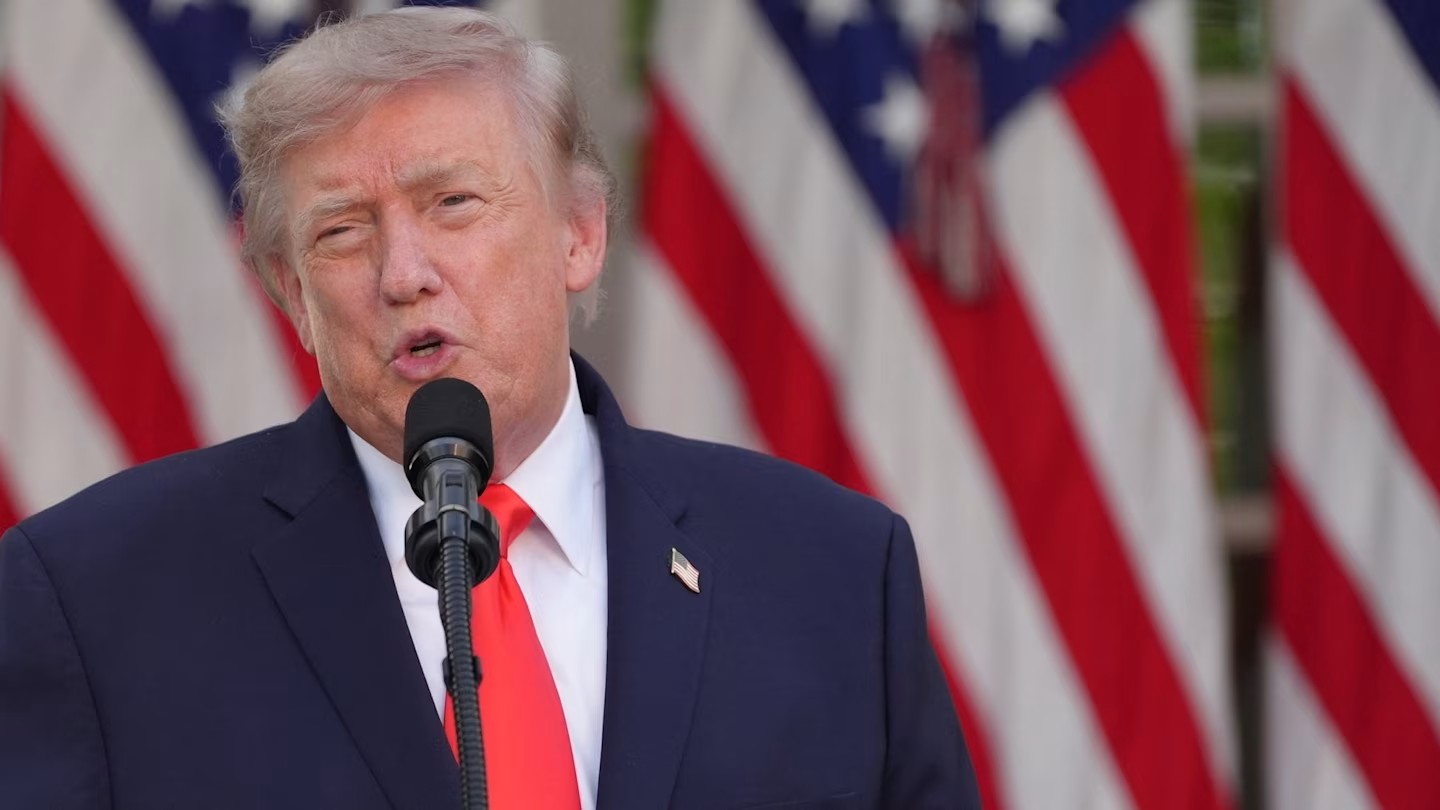
President Donald Trump on Friday threatened to hit any country that imposes a digital services tax on American technology companies with a 100 percent tariff on everything it ships to the United States, reopening a fight with Europe a day after EU members moved to meet his July 4 trade deadline.
The warning came in a Truth Social post aimed squarely at the continent. Trump wrote that numerous European countries have been discussing the imminent rollout of such a tax and that some are close to acting, and he declared that any nation doing so would face the duty at once.
What Trump Said
Trump's language left little room for negotiation. He wrote that the tariff would apply to any and all goods sent to the United States and would supersede existing trade deals, "whether implemented, signed, or not." He added that the duty would take effect immediately if a country proceeded.
That phrasing matters because the United States and the EU are operating under a deal finalized in May that caps tariffs on most European exports at 15 percent in exchange for the bloc dropping tariffs on U.S. industrial goods to zero. Digital taxes were never part of that arrangement and have stayed a sore point between Washington and Brussels.
The threat also landed against a tense backdrop. EU lawmakers had spent the week scrambling to implement their side of the deal by Trump's July 4 deadline, after he warned he might otherwise reimpose a 25 percent tariff on European imports, including autos.
A Familiar Fight
This is not the first time Trump has used tariffs as a cudgel against digital taxes. The dispute has been building for years and across both American parties, with the U.S. Trade Representative maintaining several open investigations into the levies.
Digital services taxes are structured to fall on the largest and most entrenched technology platforms, a group dominated by U.S. firms such as Meta, Alphabet, Amazon, and Apple. The taxes target revenue earned within a country's borders by companies that do business there without a physical presence and pay little local income tax. More than a dozen countries have adopted them, and roughly half of the European members of the OECD have proposed, announced, or already implemented one, according to the Tax Foundation.
France has been the flashpoint. It has levied a 3 percent tax since 2019 on digital revenue earned in the country by large platforms, and French lawmakers last year proposed doubling it to 6 percent. Before the recent G7 summit in France, Trump warned he would have no choice but to put 100 percent tariffs on French wine and champagne unless Paris dropped the tax. President Emmanuel Macron said France would not bow to that pressure.
Britain, no longer in the EU, has imposed a 2 percent tax since 2020 on revenue that search engines, social media sites, and online marketplaces derive from U.K. users. London framed it at the time as a way to align where profits are taxed with where value is created and to ensure large multinationals pay a fair share.
Canada offers the clearest example of the strategy working. Ottawa scrapped a digital services tax last year just hours before it was to take effect, moving to restart trade talks after Trump suspended negotiations over the measure.
The Legal Question
A central uncertainty hangs over the threat: what authority Trump would actually use to carry it out. The administration's options narrowed earlier this year when the Supreme Court struck down his sweeping "reciprocal" tariffs, ruling that the International Emergency Economic Powers Act did not give the White House the power to set individualized rates for nearly every country.
Hours after that defeat, Trump signed an order imposing a 10 percent global tariff under Section 122 of the Trade Act of 1974. But that provision carries a hard limit, with duties expiring after 150 days unless Congress votes to extend them.
For the digital-tax threat, White House officials pointed to a different tool, Section 301 of the same 1974 law, which lets the president retaliate when an investigation finds that a foreign practice discriminates against or restricts U.S. commerce. Trump used Section 301 to levy tariffs on Chinese imports during his first term. Even so, it remains unclear whether he would apply the new duties broadly or aim them at specific countries, and whether the legal footing would hold.
Europe Pushes Back
Brussels signaled it would not absorb the threat quietly. A European Commission spokesperson said the bloc and its members have the sovereign right to regulate economic activity on their territory in line with their democratic values and international commitments.
The Commission argued the taxes are non-discriminatory by design, applying equally to all large companies regardless of where they are based, and called unilateral measures against such policies unjustified. It warned that if the United States pursued the tariffs, the EU would respond swiftly and decisively to defend its rights and regulatory autonomy.
An EU-wide digital tax remains a long shot in any case. The European Parliament has backed the idea, but it would require unanimous support from all 27 member states, an outcome widely viewed as unlikely.
The OECD, which has spent years trying to broker a coordinated approach to taxing tech multinationals, has cautioned against countries acting alone. Secretary-General Mathias Cormann said earlier this month that a fragmented system is bad for business, trade, investment, and growth, underscoring the gap between the global effort and the unilateral path now unfolding on both sides of the Atlantic.
Author

We cover the world’s chaos so you don’t have to scroll twelve feeds to understand it.
Sign up for Atlas newsletters.
Stay up to date with curated collection of our top stories.