The U.S. military struck Iran on Friday in response to a drone attack on a commercial vessel in the Strait of Hormuz the day before, the most serious test yet of the interim understanding the two countries reached a week earlier to wind down their war and reopen the waterway.
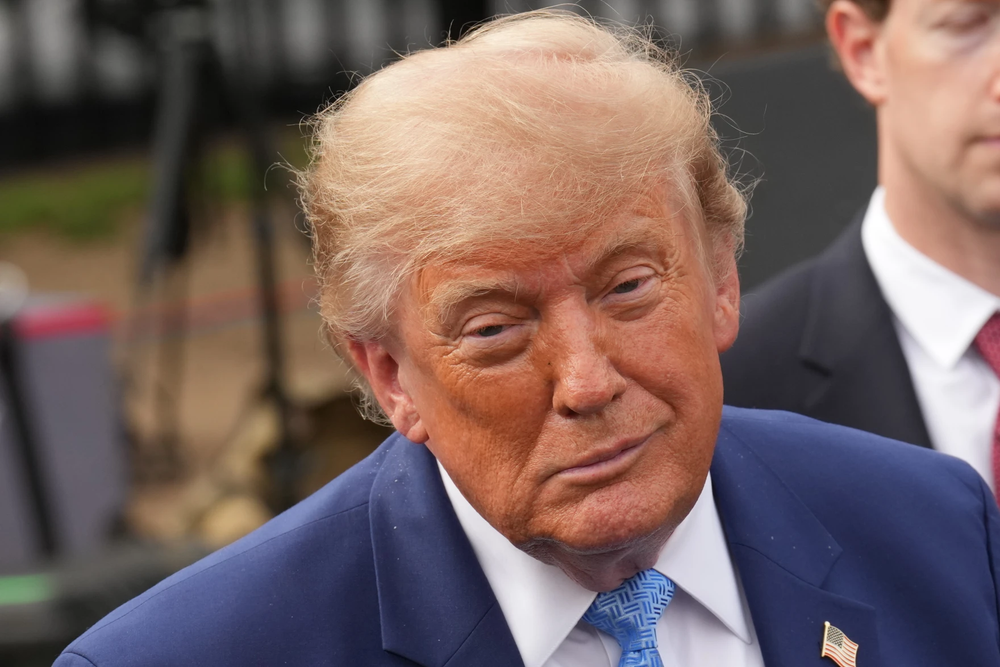
The strikes followed hours of buildup. Asked in the Oval Office whether Washington would respond, President Donald Trump told reporters, "You'll find out," then cut off questions and had the room cleared. The announcement of military action came shortly after.
The Strike and Its Trigger
U.S. Central Command said American aircraft hit Iranian missile and drone storage sites along with coastal radar installations, describing the operation as a powerful response to the previous day's attack. The command said the ship struck Thursday was the Singapore-flagged Ever Lovely, hit by a one-way attack drone as it exited the strait along the Omani coast.
CENTCOM framed the action as enforcement of the ceasefire. The unwarranted aggression against commercial shipping by Iranian forces clearly violated the agreement, it said, adding that Iran's conduct undermined freedom of navigation through a corridor that carries a growing share of global trade. No injuries were reported aboard the vessel, which continued on its way.
Trump had laid out the case earlier in the day, both on Truth Social and in person. He called the attack a foolish violation of the memorandum of understanding signed the week before and said four one-way drones had been launched at ships in the strait, with the military downing three and the fourth striking the vessel. "I don't like the fact that they took a shot yesterday," he said. "They shouldn't be doing that."
A U.S. official said the strikes concluded about an hour after CENTCOM announced them.
Tehran's Response
Iran did not acknowledge responsibility for the attack on the ship. Its Revolutionary Guards said their navy struck U.S. military positions in the region in retaliation for the American action, and warned that any repeat would draw a broader response. The Guards also said they had repelled a U.S. attack on Sirik Island, near the strait, and that their reply would be swift and decisive.
Iranian state media, citing a military source, reported an explosion at a pier in the southern port of Sirik, attributing it to a projectile impact. The same source said warning shots had been fired hours earlier toward vessels that violated rules the country has sought to impose on the waterway.
Iranian officials cast the broader dispute as a matter of sovereignty over the strait. Deputy Foreign Minister Kazem Gharibabadi said safe passage could not be guaranteed through vague arrangements or parallel routes that exclude Iran as a coastal state, and that any credible framework would have to be coordinated with Tehran. Ebrahim Azizi, who heads the Iranian parliament's national security committee, said Trump had shown no commitment to the principles of negotiation and predicted the strikes would lead to retreat and regret.
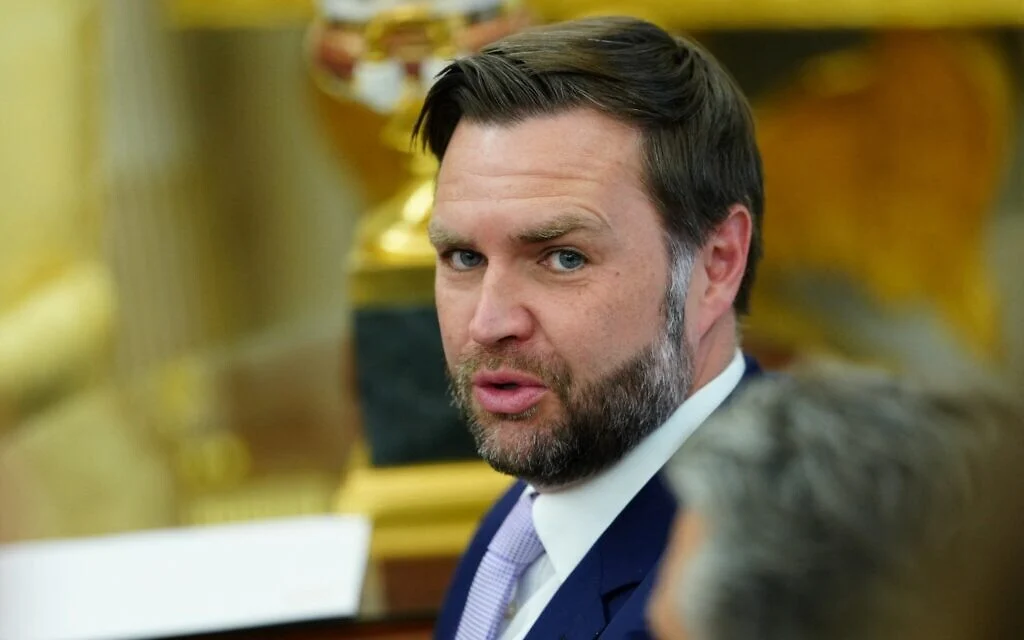
Vice President JD Vance defended the U.S. action online. "Iran signed a ceasefire agreement. We have honored it," he wrote, adding that if Tehran had disagreements over how the understanding was being applied, it could pick up the phone. "But violence will be met with violence."
A Fragile Deal Under Strain
The exchange jolted an agreement that was already on uncertain footing. The two sides signed the memorandum a week earlier, opening a 60-day window to negotiate a permanent end to the war and settle the terms of reopening the strait. Major questions remain unresolved, among them the fate of Iran's stockpile of highly enriched uranium and whether Tehran will levy tolls or fees on ships transiting Hormuz.
The renewed fighting also disrupted a delicate effort to clear the waterway. A United Nations maritime agency had begun moving stranded vessels out of the strait this week using an alternative route hugging the Omani coast. The International Maritime Organization halted those evacuations after the attack and said they would not resume without guarantees against further strikes. Roughly 115 ships had moved out in recent days, the agency's secretary-general said, leaving about 500 still in the area.
The pattern is a familiar one. The U.S. and Iran first reached a ceasefire in early April, an arrangement repeatedly tested by tit-for-tat strikes before the June memorandum. Even in the days before that document was finalized, the two traded blows.
Markets and the Wider Region
Before the violence resumed, the markets had been moving toward normalcy. Oil prices fell about 3 percent on Friday, headed for steep weekly losses as tankers exited the strait, through which roughly a fifth of the world's oil and liquefied natural gas typically passes. Saudi Aramco resumed crude loadings at its Ras Tanura terminal after a nearly four-month halt, and fertilizer shipments through the strait picked up, easing concerns about food prices.
Shipping analysts said the drone strike clouded what had been a steadying picture. The marine data firm Windward noted that the strait remained operationally open, with dozens of transits recorded after the incident, but said the pace of normalization had slowed. At least two tankers reversed course on the U.N.-backed route after Iran insisted vessels use only Tehran-approved paths.
Amid the strikes, diplomacy advanced on a separate track. Secretary of State Marco Rubio, wrapping up a Gulf tour to reassure regional allies, announced a framework agreement among the United States, Israel and Lebanon providing for an Israeli withdrawal from two areas in southern Lebanon. Israeli Prime Minister Benjamin Netanyahu called it a great achievement, noting Israel would remain in a security zone until Hezbollah is disarmed. The Iran-backed group rejected the deal, and its supporters took to the streets of Beirut in protest.
Author

We cover the world’s chaos so you don’t have to scroll twelve feeds to understand it.
Sign up for Atlas newsletters.
Stay up to date with curated collection of our top stories.