Iran placed mines in the Strait of Hormuz during the recent escalation with the United States. That part was reported and confirmed. What came after is the part that changed the situation considerably: U.S. officials said Iran may not know where all of those mines ended up.
That is not a small problem. A minefield is only useful as a deterrent or a weapon if the side that laid it can actually account for what it put in the water. Mines that are poorly mapped, shifted by currents, or scattered under pressure do not distinguish between enemies. They become a threat to everyone moving through the strait, including ships with no connection to either side of the conflict.
The waterway was already under pressure. This made it worse.
What Iran Did and What Went Wrong
Iranian forces placed the mines as part of a broader pressure campaign tied to the ongoing conflict with the U.S. The intent, based on how these things work, was leverage; the threat of a mined shipping lane carries weight with commercial operators and governments that depend on the strait staying open.
The problem is execution. U.S. officials raised the alarm that Iran had lost track of at least some of the mines after placement. The specific number of unaccounted mines was not publicly confirmed, but the concern from the American side was direct enough to surface in reporting and to factor into how Washington framed the situation.
Sea mines do not require a direct strike to cause damage or disruption. Their presence alone, or even the credible possibility of their presence, is enough to push commercial shipping operators into expensive decisions. Rerouting. Delays. Massive spikes in insurance premiums. In a channel as narrow and as heavily trafficked as Hormuz, uncertainty about the seafloor is as damaging as confirmed danger.
One description of the situation that circulated in coverage was "navigational nightmare." That framing holds up. The strait is not a wide-open ocean approach where mines can be assumed to be concentrated somewhere specific. It is a bottleneck where almost everything moving through it passes within a defined corridor. Mines in that environment do not have to be numerous to be effective or to be dangerous when they go missing.
Why the Strait Can't Absorb This
The Strait of Hormuz handles a disproportionate share of global oil traffic. Multiple major Gulf producers, including Saudi Arabia, the UAE, Kuwait, Iraq, and Qatar, have no realistic
alternative export route by sea. A substantial portion of the world's daily crude supply moves through a channel that, at its narrowest point, is roughly 21 miles wide. Liquefied natural gas exports follow the same path.
What that means in practice is that the strait has almost no margin. Disruptions there do not stay local. They move through energy markets, hit fuel prices, affect shipping schedules, and force governments that have nothing to do with the U.S.-Iran dispute to start making contingency plans. The economic exposure is global, and it responds to uncertainty as readily as it responds to an actual incident.
Even a handful of mines, especially poorly placed ones, are enough to trigger that chain. The shipping industry does not wait for a vessel to be struck before it starts adjusting. The reports alone are sufficient.
The Problem Iran Created for Itself
There is an element of this that works against Iran directly. Laying mines to close or threaten a shipping route is a tactic. Losing track of those mines turns the tactic into a liability.
Iran has its own commercial and strategic interests tied to the strait. Its own vessels operate in those waters. Its ability to negotiate any eventual return to normalcy, whether through diplomacy or a practical arrangement about reopening the waterway, depends partly on being able to make credible assurances about what is in the water. If Tehran cannot account for its own mines, it cannot give those assurances.
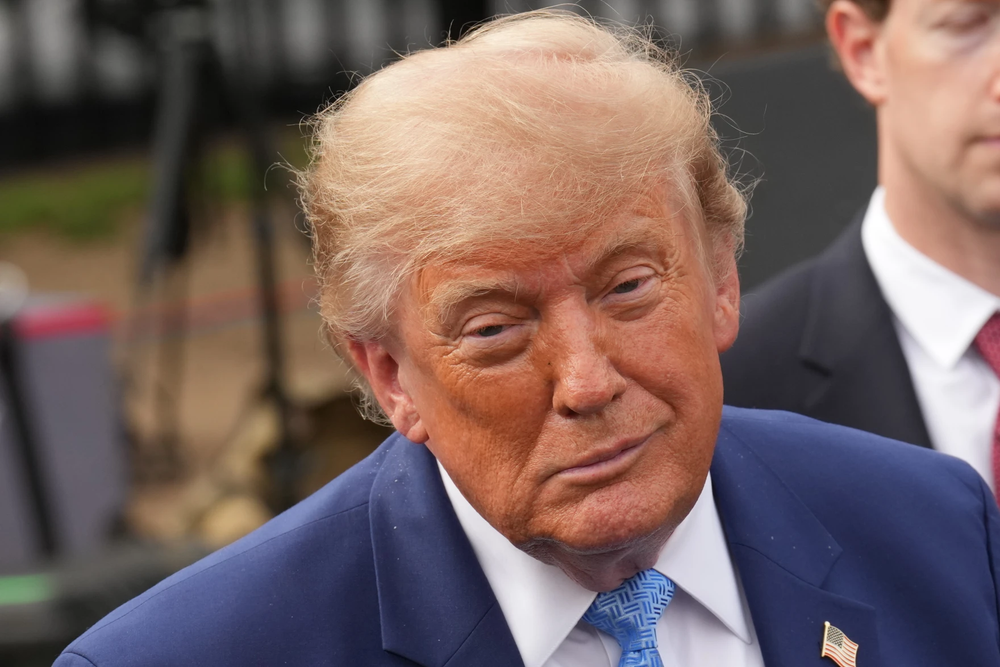
Trump made the immediate and safe reopening of the strait a stated condition of further diplomacy. Mine clearance is not a political act; it is a technical and naval one, and it does not happen fast. Clearing mines in a narrow, contested chokepoint requires specialized vessels, time, and conditions that a hostile standoff makes significantly harder to establish. The U.S. and allied navies have the capacity to do it, but the process is slow, carries real risk for the personnel and equipment involved, and cannot be rushed without consequences.
What This Means Going Forward
The mine situation is its own problem inside a larger crisis, and it operates on a different timeline than the political and diplomatic dimension.
Even if the U.S. and Iran were to reach some form of agreement tomorrow, the mines would still be there. Shipping operators would still want confirmation, not just assurances, before routing tankers back through the strait at normal volume. That verification process takes time that the global energy market does not absorb without some level of disruption.
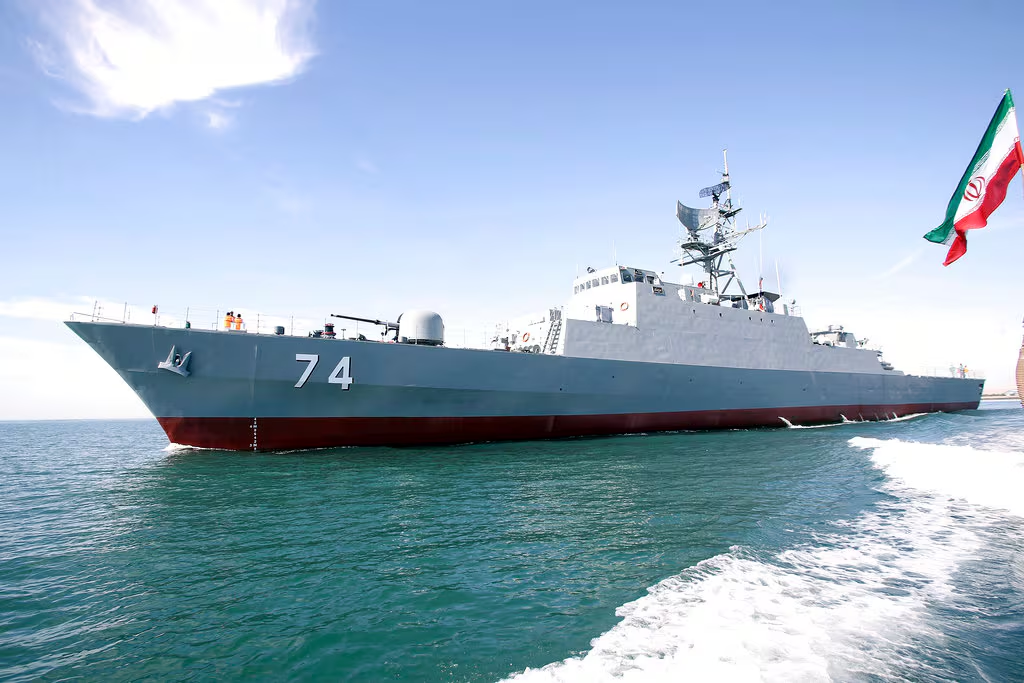
The broader conflict between Washington and Tehran remains unresolved. The diplomatic talks in Islamabad collapsed. The U.S. has announced a naval blockade. Iran has warned of consequences for military vessels in the strait. All of that is the backdrop against which a mine-clearing operation would have to take place, which is not a backdrop that makes the operation easier or faster.
What Iran created in the Strait of Hormuz is a situation it does not fully control. That loss of control is now part of everyone else's problem too.
Author

We cover the world’s chaos so you don’t have to scroll twelve feeds to understand it.
Sign up for Atlas newsletters.
Stay up to date with curated collection of our top stories.