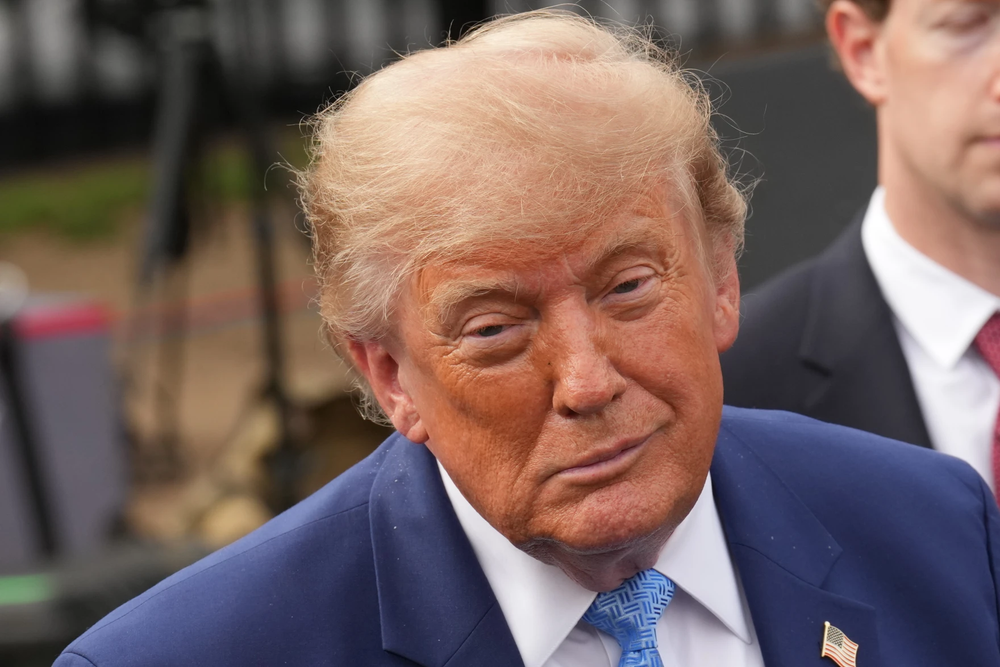
After 21 hours, US-Iran negotiations ended Saturday in Islamabad with no deal. Soon after, Trump ordered the U.S. Navy to blockade the Strait of Hormuz, one of the most critical oil shipping passages in the world, saying the action was effective immediately.
Trump said most issues at the table had been worked out. The nuclear question had not. He called it "the only point that really mattered."
Vice President J.D. Vance headed the American side. His position when talks ended was that Iran had not agreed to give up its nuclear ambitions. That was the line, and Iran did not cross it. The talks were over.
Iran's officials came out with a different read. They said Washington's terms were unreasonable and put the blame on American pressure. They also said Tehran had not given up on diplomacy, though what that means in practical terms, given where things stand, is unclear.
What the U.S. Was Asking For
The American conditions going into the talks were not subtle. Iran could not build a nuclear weapon. Enrichment had to stop, not just slow down. Major enrichment sites had to be taken apart. Highly enriched uranium Iran had already produced had to come out of the country. And Iran had to end its backing of armed groups throughout the region.
That is a long list. It asks Iran to give up things it has spent decades and considerable resources building. Iran said no.
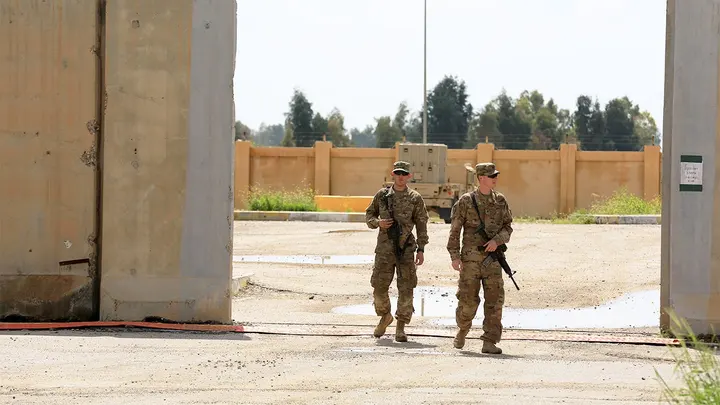
After the talks collapsed, Trump's statement went further than just announcing the failure. He said the Navy would stop and board ships that had paid what he called an illegal toll to Iran for passage through the strait. He warned that any vessel or Iranian force that attacked American or civilian ships would face severe military retaliation. He brought up Iranian mines and said they would be destroyed. That kind of specific, operational language in a public statement is not routine.
The Strait and Why It Matters
The Strait of Hormuz is a narrow channel. On one side is Iran. On the other, the Arabian Peninsula. It is the only way in or out of the Persian Gulf by sea, and it is how a significant portion of the world's oil supply gets to market every day; crude from Saudi Arabia, the UAE, Kuwait, Iraq, and Qatar all moves through it. So does a large share of global liquefied natural gas.
Iran has always known what it controls geographically. It can mine the waterway. It can harass ships. It has done both before. That reality has sat at the center of Gulf security calculations for decades, and it is part of why the strait gets the attention it does every time tensions rise.
Iranian officials said after Trump's announcement that commercial shipping can still move through the strait without interference. They also said that military vessels trying to enforce a blockade would not have it so easy. That was a direct warning to the U.S. Navy.
The situation is unusual in one specific way. Historically, the threat to shut down or disrupt the strait has come from Iran. This time it is coming from the United States. That is not a minor reversal. It changes the nature of the standoff and puts both sides in territory that does not have a lot of recent precedent.
The Legal and Operational Reality
Saying a blockade is in effect and actually running one are two different things. Stopping commercial ships in international waters is not a simple enforcement action. It raises legal questions under maritime law. It would affect countries far beyond the U.S. and Iran; governments across Europe and Asia that depend on Gulf oil exports would have an immediate stake in what happens. Rules for how the Navy handles encounters with non-military vessels would need to exist, and they would need to hold up under scrutiny.
Markets do not wait for any of that to get sorted out. When a blockade of the Strait of Hormuz is announced by a sitting U.S. president, oil prices move. Shipping rates move. Companies that run tankers through the Gulf start making decisions. All of that happens before a single ship is stopped.
Where Things Go From Here
The two sides acknowledged during the talks that progress had been made on some issues. The nuclear question was the one left standing. That is worth noting because it means the rest of the diplomatic conversation is not entirely dead, it just has a very large obstacle in the middle of it.
The region was already unsettled before Saturday. Multiple conflicts are active. Ceasefire arrangements elsewhere are fragile. Adding a declared naval blockade and an Iranian warning to that environment raises the chance of something going wrong at sea in a way that is hard to walk back.
The things to watch now are straightforward. Where is the U.S. Navy moving? What is Iran doing at the strait? Does either government signal any interest in sitting back down? Those questions will determine whether Saturday was the beginning of a serious military confrontation or a pressure move that eventually gives way to another round of negotiations. Right now, there is no answer.
Author

We cover the world’s chaos so you don’t have to scroll twelve feeds to understand it.
Sign up for Atlas newsletters.
Stay up to date with curated collection of our top stories.