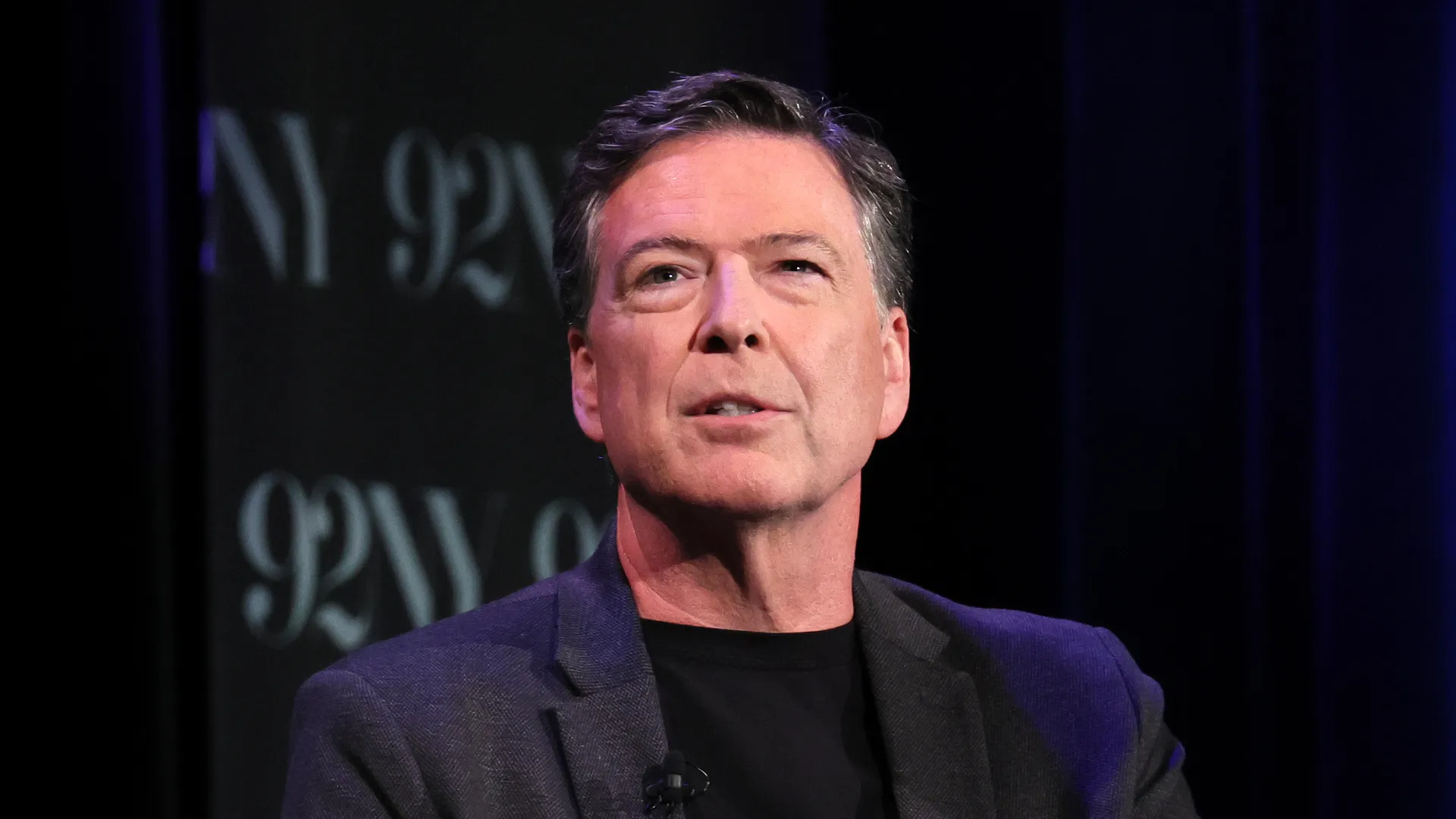
Former FBI Director James Comey has been subpoenaed by federal prosecutors in Miami as part of a sweeping Justice Department investigation into Obama and Biden-era intelligence and law enforcement officials, two sources familiar with the matter confirmed Thursday. The subpoena, issued last week, makes Comey one of more than 130 former officials who have received grand jury demands since the probe began expanding last year.
The investigation is being led by Jason A. Reding Quiñones, the U.S. attorney for the Southern District of Florida, a Trump appointee. The grand jury proceedings are being handled in Fort Pierce, Florida, before U.S. District Judge Aileen Cannon — the same Trump-appointed judge who presided over and ultimately dismissed the federal criminal classified documents case against Trump in 2024. Comey's attorneys declined to comment. The Justice Department did not respond to requests for comment.
The subpoena to Comey centers on his alleged role in drafting the January 2017 Intelligence Community Assessment, which concluded that Russia sought to interfere in the 2016 presidential election to benefit Trump and disadvantage Democratic nominee Hillary Clinton. Trump and his allies have long disputed aspects of that assessment's sourcing and conclusions, particularly the inclusion of material tied to the Steele dossier — opposition research that has been widely discredited as unreliable.
The Scope of the Investigation
The probe has been framed by Trump allies as examining what they characterize as a "grand conspiracy" by Democratic-aligned officials to investigate, prosecute, and otherwise undermine Trump beginning with the 2016 election and continuing through his federal indictments in 2023. Prosecutors have issued more than 130 subpoenas since the investigation accelerated last year, with recent rounds seeking documents spanning from the 2016 election through the present day, according to lawyers for multiple recipients.
In November, a federal grand jury subpoenaed former CIA Director John Brennan, former FBI counterintelligence official Peter Strzok, former FBI attorney Lisa Page, and former FBI Deputy Director Andrew McCabe. Michael Bromwich, McCabe's attorney, called the investigation "a vendetta in search of a crime."
The investigation received its formal mandate in the summer of 2025, when Director of National Intelligence Tulsi Gabbard made a criminal referral to the Justice Department alleging — without publicly presenting evidence — a "treasonous conspiracy" by former Obama administration intelligence officials to undermine Trump. The same day, the Justice Department announced it was forming a Strike Force to assess the evidence and determine next steps.
John Ratcliffe, the current CIA director, later referred both Comey and Brennan for prosecution after completing a "Tradecraft Review" that found the inclusion of Steele dossier material in the ICA "ran counter to fundamental tradecraft principles and ultimately undermined the credibility of a key judgment."
The Legal Architecture and Its Complications
The investigation's use of a Florida grand jury has itself drawn scrutiny. Much of the conduct under review — including the drafting of the ICA and the launch of the FBI's Crossfire Hurricane investigation — took place in Washington, not South Florida, prompting criticism that prosecutors are steering the case toward a more favorable venue. Brennan's attorneys previously sent a letter to the chief judge of the Florida district arguing that the government was engaging in forum shopping by routing the case to Fort Pierce, where Cannon is the sole district judge.
The statute of limitations presents a significant structural challenge. The standard five-year federal limitations period would bar most prosecutions tied to actions taken in 2016 and 2017. However, prosecutors are pursuing a theory that steps taken in furtherance of an alleged conspiracy within the last five years — including Brennan's 2023 congressional deposition, in which he is accused of making false statements about the CIA's handling of the Steele dossier — keep the broader case alive.
Comey's specific exposure under this theory is less clear. A prior attempt to prosecute him for allegedly making false statements to Congress during a 2020 Senate testimony was dismissed in November by a federal judge who ruled that Lindsey Halligan, the Trump-appointed Virginia prosecutor who brought the case, was unlawfully appointed. The court described Halligan as "a former White House aide with no prior prosecutorial experience." The Justice Department appealed that ruling. A parallel case against New York Attorney General Letitia James was dismissed through the same ruling.
For Quiñones, the goal appears to be linking Comey, Brennan, and potentially others — including former special counsel Jack Smith — into a single prosecutable conspiracy case that could sidestep the individual statutes of limitations by establishing a pattern of coordinated conduct extending into more recent years.
Prior Reviews and Their Findings
The Justice Department's current investigation follows multiple prior examinations of the same conduct — none of which resulted in criminal charges against intelligence officials for fabricating the Russia interference conclusion.
Special Counsel Robert Mueller, who was appointed after Trump fired Comey in May 2017, concluded in his investigation that Russia did interfere in the 2016 election to benefit Trump and disadvantage Clinton. He found no evidence of a criminal conspiracy between Trump's campaign and Russia. A 2020 bipartisan Senate Intelligence Committee review reached similar conclusions on Russian interference, and was signed by Marco Rubio, who was then co-chair of the committee and is now Trump's Secretary of State.
John Durham, the special counsel appointed by Attorney General William Barr during Trump's first term specifically to examine the origins of the Russia investigation, found no evidence that Obama administration officials carried out a criminal conspiracy to fabricate intelligence about Russia's actions. Durham did identify procedural irregularities in how the FBI opened and conducted the Crossfire Hurricane investigation, and secured one conviction — a guilty plea from an FBI attorney who falsified a document — but he did not charge any senior officials with crimes related to the intelligence assessment.
The current investigation is taking place against a backdrop of the Trump Justice Department pursuing multiple high-profile legal actions against figures the president has repeatedly criticized publicly. The two prior Comey and James prosecutions — both dismissed before trial — have already drawn scrutiny from courts and legal observers, with judges in each case raising questions about the appointment of the prosecutors who brought the charges.
No charges have been announced in connection with the Florida grand jury investigation, and the grand jury proceedings are secret by law. It remains unclear what specific documents or testimony prosecutors are seeking from Comey, and what his response to the subpoena will be.
Author

We cover the world’s chaos so you don’t have to scroll twelve feeds to understand it.
Sign up for Atlas newsletters.
Stay up to date with curated collection of our top stories.