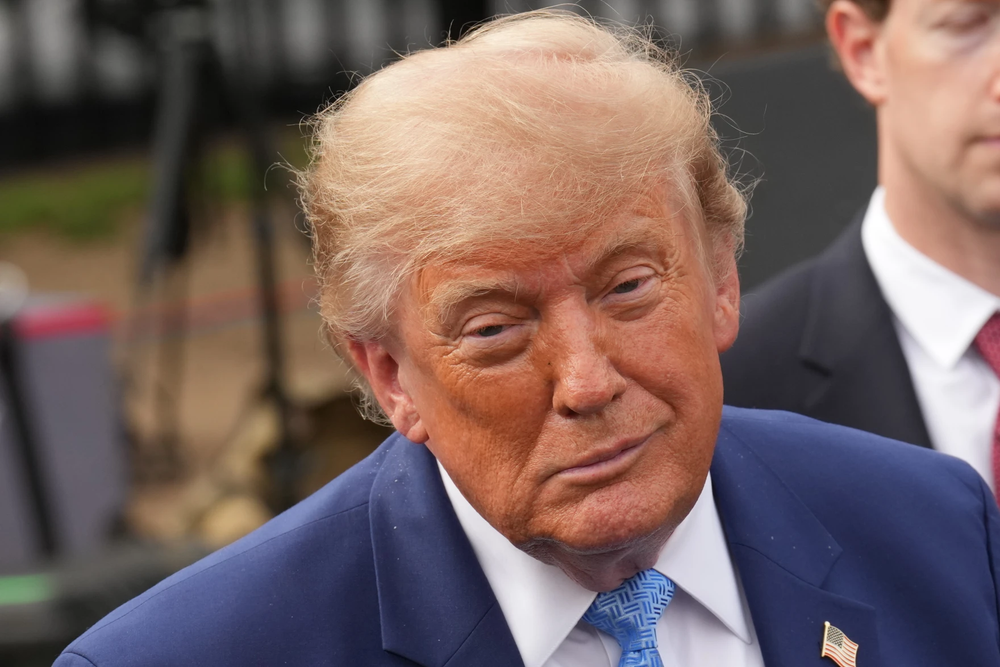
Viktor Orbán conceded defeat Saturday night after Hungarian voters gave his Fidesz party a loss that, by the numbers, was not close. Péter Magyar's Tisza party was sitting in the low-50 percent range. Fidesz was in the high 30s. Orbán called the result "painful," congratulated the other side, and that was the end of it.
Sixteen years. Gone in one election night.
Turnout hit around 77 percent, which is a striking number. When participation runs that high, it almost always means one thing: voters who showed up specifically to change something, not to maintain it. Saturday fit that pattern.
Magyar's path to this point moved quickly. He built Tisza from a marginal presence into a legitimate national party in a short amount of time. His campaign kept its focus on corruption, public services, and pulling Hungary back toward the European Union. He also did something opposition parties in Hungary had struggled with for years: he got them to stop splitting the vote. Previous challengers to Orbán kept fracturing. Magyar pulled people together, and the margin Saturday night reflects that.
Orbán's 16 Years and What They Produced
When Orbán came back to power in 2010, he used the years that followed to build something durable. Executive authority was centralized. Independent media came under sustained pressure. The EU spent years lodging complaints about Hungary's direction on judicial independence and the rule of law. His supporters saw it differently: stable governance, a leader who kept Brussels from dictating Hungarian policy, a government that did not apologize for conservative social positions.
Orbán also became bigger than Hungary. He was close with Donald Trump. He resisted Western pressure on Russia in ways that other EU leaders would not. He positioned himself as a flagship example of nationalist conservatism done at scale, and people across the continent, both admirers and critics, paid attention to what he did and what lasted.
Inside the EU, Hungary under Orbán was a recurring complication. Sanctions debates, Ukraine policy, funding disputes, rule-of-law proceedings - Budapest had a position on all of it, and that position was rarely the one Brussels wanted. He did not move easily under pressure, which is partly why his political brand held as long as it did, and partly why so many European capitals were watching Hungary's ballot count Saturday night.
The Seat Count and What It Could Allow
The margin was one thing. The seat distribution is another, and it matters for what Magyar can actually do in government.
Early projections raised the possibility of Tisza nearing a constitutional supermajority. In Hungary, that threshold is not ceremonial; it allows a governing party to amend constitutional provisions. Orbán used that same tool during his time in power to lock in structural changes that made Fidesz harder to dislodge. A supermajority for Magyar would put that same instrument on the other side of the table.
If the final count reaches that level, Magyar would not just be forming a new government. He would have the legislative standing to go back through changes Fidesz made to Hungary's legal and institutional framework over 16 years and revisit them. That is a different kind of governing power than a standard parliamentary majority provides.
Even without that threshold, a party that spent over a decade building structural advantages into the system still lost, and lost by a margin that required Orbán to concede on election night. That alone is worth noting.
The EU's Stake in Budapest
Hungary gave Brussels consistent headaches under Orbán, and not the routine kind. Rule-of-law disputes dragged on for years. Funding was frozen over concerns about democratic backsliding. On Ukraine, Hungary repeatedly took positions that put it at odds with the rest of the bloc. Decisions that required broad EU agreement often got complicated specifically because of where Budapest stood.
Magyar ran on a platform that points toward closer EU alignment. A Hungary that participates in bloc decisions without reflexively positioning itself as the outlier vote would change the texture of European politics in ways that go beyond any single policy question. It would not be an overnight transformation, but the friction that defined Orbán's relationship with Brussels would likely diminish.
The Russia and Ukraine questions follow from this. Orbán held positions on both that kept Hungary outside the European mainstream. Magyar has not indicated he intends to hold those same lines.
What Magyar Now Has to Do
Winning is one problem. Governing is a different one.
Magyar ran on the promise of institutional repair; fixing what years of Fidesz consolidation had done to Hungary's courts, its media environment, and its public institutions. Campaigns are built
around those promises. Governments are measured by whether they actually deliver them. The two phases of politics do not always match.
The system Magyar is stepping into was built by someone who understood how to make it last. Dismantling or redirecting it takes time, and it faces resistance from people whose interests are tied to the structure that already exists. Saturday's result gave Magyar a mandate. It did not hand him an easy path.
What it did do is close out the Orbán era. Hungarian voters turned out at rates that made the outcome unambiguous, and Orbán acknowledged it the same night. After 16 years, that is where things stand.
Author

We cover the world’s chaos so you don’t have to scroll twelve feeds to understand it.
Sign up for Atlas newsletters.
Stay up to date with curated collection of our top stories.