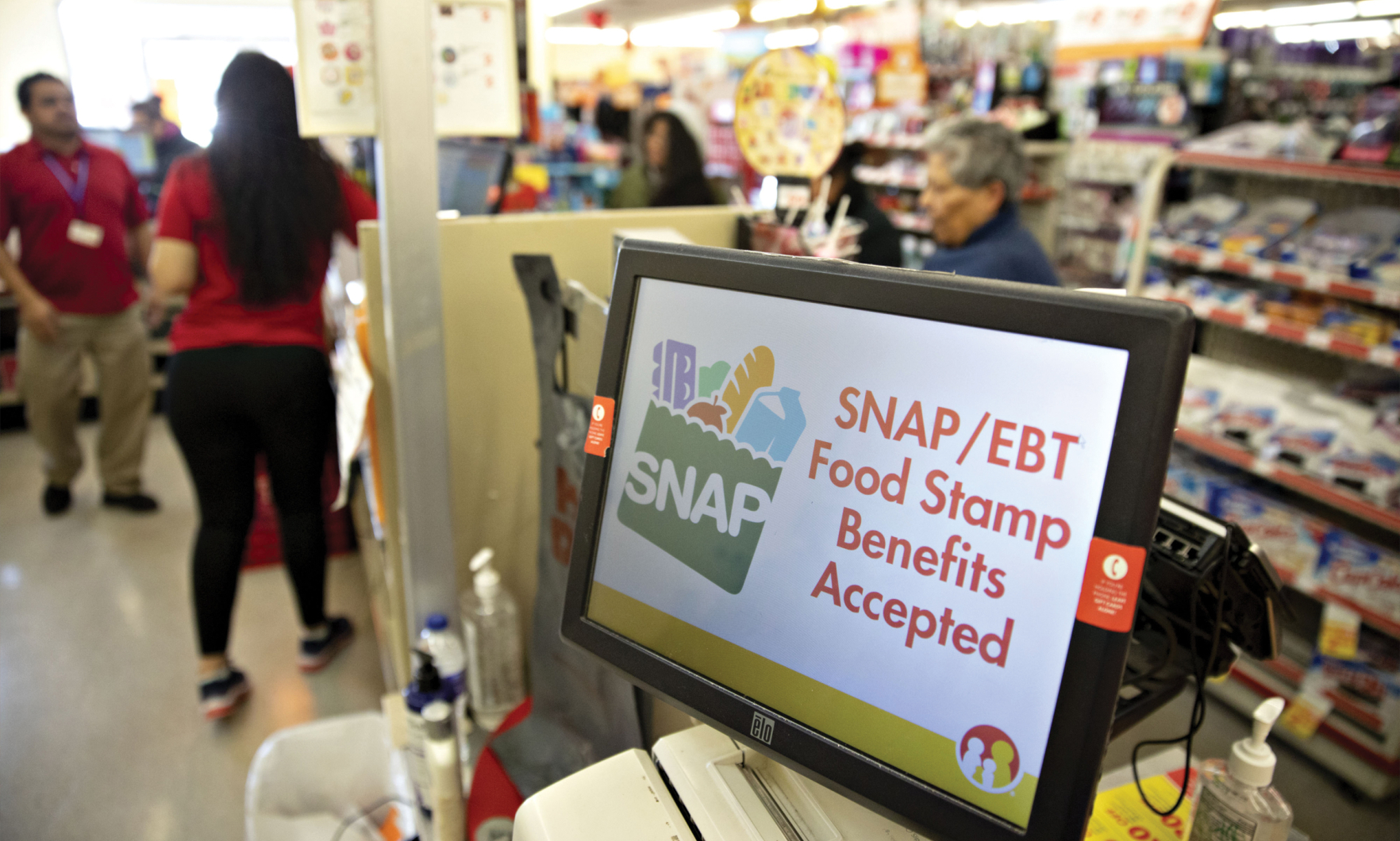
Five SNAP recipients went to federal court March 11, suing the U.S. Department of Agriculture over waivers that block them from using their benefits to buy sugary drinks, candy, and prepared desserts. The plaintiffs are from Colorado, Iowa, Nebraska, Tennessee, and West Virginia. The National Center for Law and Economic Justice and the law firm Shinder Cantor Lerner filed the case in Washington, D.C., and are asking a judge to block the waivers.
The suit targets USDA's approval of the waivers, not the states that requested them.
The Policy
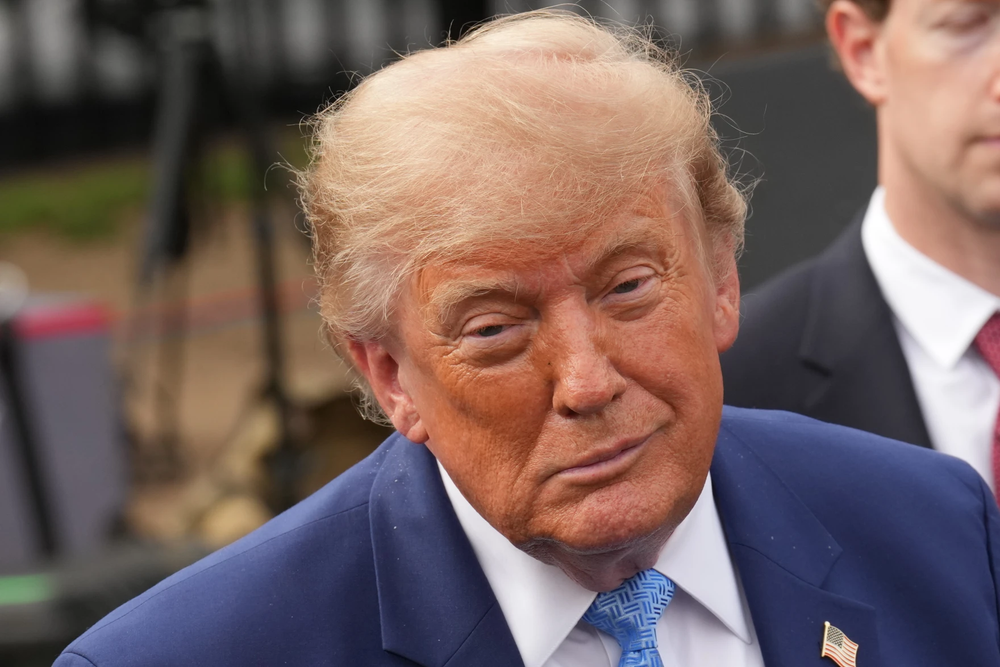
USDA has approved what it calls food restriction waivers in 22 states since last May, letting those states bar SNAP purchases of soda, energy drinks, candy, and other items classified as low in nutritional value. The waivers are connected to the Trump administration's "Make America Healthy Again" initiative.
Agriculture Secretary Brooke Rollins and Health and Human Services Secretary Robert F. Kennedy Jr. have backed the restrictions publicly, calling them a step toward reducing chronic disease and steering federal food dollars toward healthier options. Kennedy had pressed governors to pursue this kind of restriction before the waivers were approved.
Previous administrations had looked at similar proposals and passed on them. Starting last May, this one began approving state requests in volume.
What Plaintiffs Are Arguing
The complaint runs on two tracks. The first is about the law itself. SNAP operates under the Food and Nutrition Act, which includes a provision authorizing demonstration projects, which are limited experiments meant to test changes that improve efficiency or how benefits are delivered. The plaintiffs argue that blanket item bans don't meet that standard, and that USDA has stretched the provision past what Congress wrote it to cover.
The second track is procedural. The Administrative Procedure Act requires federal agencies to publish proposed changes, take public comment, and show reasoned decision-making before significant policy shifts go into effect. The lawsuit says USDA skipped all of that — no public notice, no comment period, no real framework for evaluating outcomes, which demonstration projects are supposed to require.
Attorney Katharine Deabler-Meadows said running the waivers through proper notice and comment would have put the harms to low-income recipients on the record before approval. Attorney Jeffrey Shinder said Congress drew clear lines around how SNAP can be changed, and
that running modifications through state waivers doesn't get USDA out from under those requirements.
USDA's position is that the waivers fall within its existing authority under the demonstration project provision.
The Plaintiffs
The five people named in the complaint say the restrictions are affecting both their budgets and, for at least one plaintiff, a medical condition. Items blocked under the waivers can't be paid for with EBT, which means either paying cash for them or going without. For households with little margin, that creates pressure on what else gets covered.
Nieves Aragon, a Colorado plaintiff with Type 1 diabetes, said she sometimes needs juice or a sugary drink on short notice to bring her blood sugar up. A categorical ban on sugary beverages, she said, removes something she depends on to manage her condition.
The lawsuit also raises questions about how items get classified under the waivers. Advocates involved in the case say the definitions used to identify low-nutrition products are imprecise enough that items with genuine nutritional or medical value for some recipients can end up on the restricted list.
What Comes Next
If the court grants an injunction, the waivers in the five named states get blocked while litigation continues. A ruling that goes further, against the underlying waiver authority itself, would reach into all 22 states where waivers have been approved and could complicate the administration's plans to push the restrictions further before the year is out.
The administration has described the policy as a responsible use of federal food dollars and a defensible public health measure. The plaintiffs say SNAP is a federal program with rules Congress set, and that USDA doesn't have the authority to rewrite them through state waivers issued without following required procedures.
The outcome will affect millions of people in the 22 states where waivers have been approved, not just the five states directly named in the current complaint.
Author

We cover the world’s chaos so you don’t have to scroll twelve feeds to understand it.
Sign up for Atlas newsletters.
Stay up to date with curated collection of our top stories.