Spain has closed its skies to American military aircraft involved in the war on Iran, its defense minister confirmed Monday, escalating Madrid's opposition to the conflict into a direct confrontation with a NATO ally. The move goes beyond Spain's earlier refusal to let the United States use two jointly operated military bases on its soil and forces U.S. warplanes flying from bases elsewhere in Europe to route around the Iberian Peninsula entirely.
"This was made perfectly clear to the American military and forces from the very beginning," Defense Minister Margarita Robles told reporters in Madrid. "Neither the bases are authorized, nor, of course, is the use of Spanish airspace authorized for any actions related to the war in Iran."
Robles called the conflict "profoundly illegal and profoundly unjust."
The White House did not express concern. A spokesperson told reporters that the U.S. military "is meeting or surpassing all of its goals under Operation Epic Fury and does not need help from Spain or anyone else."
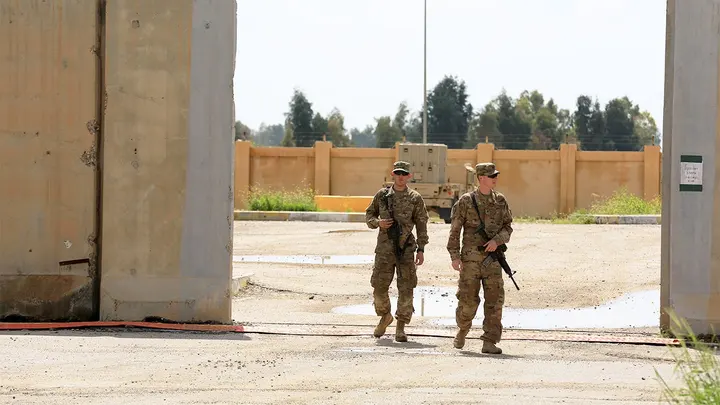
The decision makes Spain the most prominent NATO member to actively restrict American military operations related to the Iran war. Aircraft can still transit Spanish airspace or land at the country's bases in emergency situations, but all flight plans connected to combat operations have been rejected — including refueling flights.
Bases Denied, Then Airspace
The airspace closure is the latest step in a sequence that began in early March, when Prime Minister Pedro Sánchez told parliament that Spain would not allow the U.S. to use the Rota and Morón military bases in southern Spain for operations tied to the Iran conflict. Both installations sit in Andalusia and operate under a bilateral U.S.-Spanish defense cooperation agreement. Naval Station Rota serves as a major hub for the U.S. Navy's Sixth Fleet. Morón Air Base hosts a long runway and aircraft refueling infrastructure positioned close to the Mediterranean and the Middle East.
Both bases remain under Spanish sovereignty but house a permanent American military presence and rank among Washington's most important facilities in southern Europe.
After Sánchez blocked their use, 15 American KC-135 refueling tankers were diverted from Morón and Rota to bases in France and Germany. Some U.S. bombers involved in Iranian operations now fly from RAF Fairford in Gloucestershire, England, after the UK government agreed to the American request on March 1.
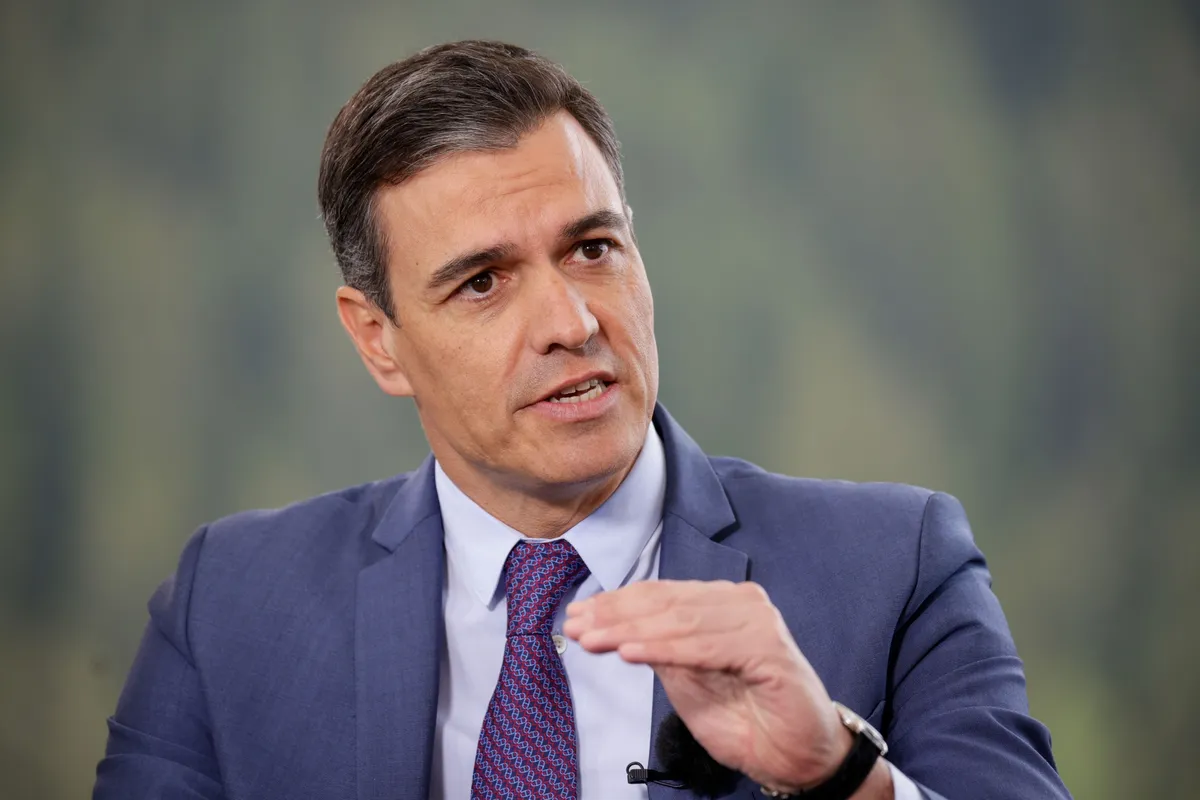
Sánchez laid out the full scope of Spain's position to the Spanish congress last week. "We have denied the United States the use of the Rota and Morón bases for this illegal war," he said. "All flight plans involving actions related to the operation in Iran have been rejected. All of them, including those of refueling aircraft. We are a sovereign country that does not wish to take part in illegal wars."
Trump Threatens Trade Retaliation
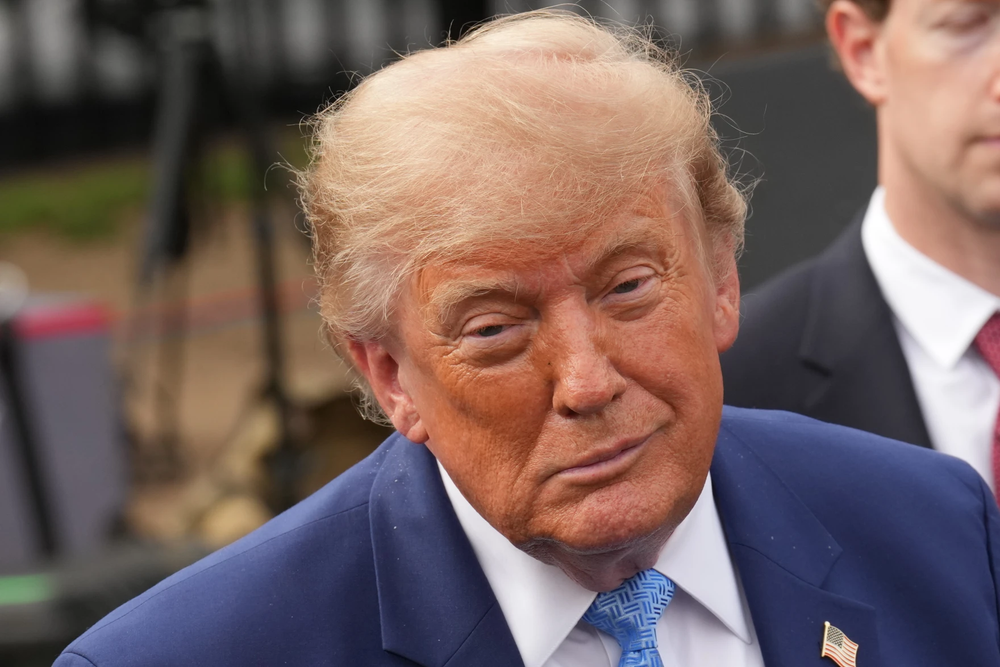
The relationship between Washington and Madrid has deteriorated sharply since the war began. After Spain blocked access to its bases, President Trump said on March 3 that he had instructed Treasury Secretary Scott Bessent to sever trade relations with the country. "We don't want anything to do with Spain," Trump said.
The trade threats were not new. Washington had made similar warnings last year when Sánchez refused to raise Spain's defense spending to the 5 percent of GDP level that Trump had pressured other NATO members into accepting. Spain's government said at the time that it could meet its military commitments at 2.1 percent.
Secretary of State Marco Rubio sharpened the rhetoric Monday, accusing Spanish leaders of "bragging" about the airspace closure while Washington remains committed to defending Spain under the NATO treaty. Rubio said the transatlantic alliance remained valuable to the United States because it allows basing of troops, aircraft, and weapons across Europe. "But if NATO is just about us defending Europe if they're attacked, but then denying us basing rights when we need them, that's not a very good arrangement," Rubio told Al Jazeera. "That's a hard one to stay engaged in and say this is good for the United States. So all of that is going to have to be reexamined."
Economy Minister Carlos Cuerpo brushed off the warnings. Asked whether the airspace decision could worsen relations with the White House, he told Cadena SER radio: "This decision is part of the decision already made by the Spanish government not to participate in or contribute to a war which was initiated unilaterally and against international law."
A Rare Move, But Not Without Precedent
NATO did not comment on Spain's decision, referring questions to national authorities. Restricting airspace against a fellow alliance member is unusual but has happened before.
In 1986, France and Italy blocked American military aircraft from using their airspace during a U.S. operation targeting Libyan leader Moammar Gadhafi. In 2003, Turkey refused to let American ground troops cross its territory to invade Iraq, though it permitted overflights. France and Germany opposed the Iraq War outright but still allowed U.S. and British fighter jets to transit their airspace. France's foreign minister at the time, Dominique de Villepin — despite delivering a celebrated speech at the United Nations against the invasion — told the French parliament that "there are practices between allies that exist that we must respect, including overflight rights."
Sánchez has drawn a harder line. In a televised address on March 4, he reflected on the wars in Ukraine, Gaza, and Iraq and said the Spanish government's stance could be summarized in three words: "No to war."
Sánchez Stands as Europe's Loudest Critic
Sánchez has positioned himself as the most outspoken European leader against the Iran conflict. He has called the war illegal, reckless, and unjust, and has urged the U.S., Israel, and Iran to stop fighting. "You cannot respond to one illegality with another, because that's how humanity's great disasters begin," he said earlier this month.
He has also framed the war in domestic economic terms. "Every bomb that falls in the Middle East hits the wallets of our families," Sánchez told lawmakers, citing estimates that Spanish firms have lost 100 billion euros in less than a month from the economic fallout.
Other European leaders have voiced similar, if somewhat more measured, objections. German Defense Minister Boris Pistorius called the conflict an economic "catastrophe" during a visit to Australia last week and said Berlin did not want to be pulled further in. "Nobody asked us before. It's not our war, and therefore we don't want to get sucked into that war, to make it crystal clear," Pistorius said. UK Prime Minister Keir Starmer posted on social media that Britain was "not getting dragged into the Middle East conflict," though London has allowed the U.S. to use RAF Fairford as a staging base.
Spain's stance has produced at least one tangible diplomatic benefit. The Iranian embassy in Spain said last week that Tehran would be receptive to requests from Madrid concerning transit through the Strait of Hormuz because Spain was "committed to international law." Around 20 percent of the world's oil supply normally passes through the waterway, which Iran has effectively shut down in retaliation for the U.S.-Israeli air campaign.
For now, the operational impact on American forces appears limited. The U.S. military has rerouted aircraft through alternative corridors and bases. The political impact is harder to measure. Spain hosts some of Washington's most strategically valuable facilities in Europe. The question of whether that arrangement survives the current rift — or whether Rubio's warning about "reexamining" NATO's value becomes policy — is one that will outlast whatever happens next in the skies over Iran.
Author

We cover the world’s chaos so you don’t have to scroll twelve feeds to understand it.
Sign up for Atlas newsletters.
Stay up to date with curated collection of our top stories.