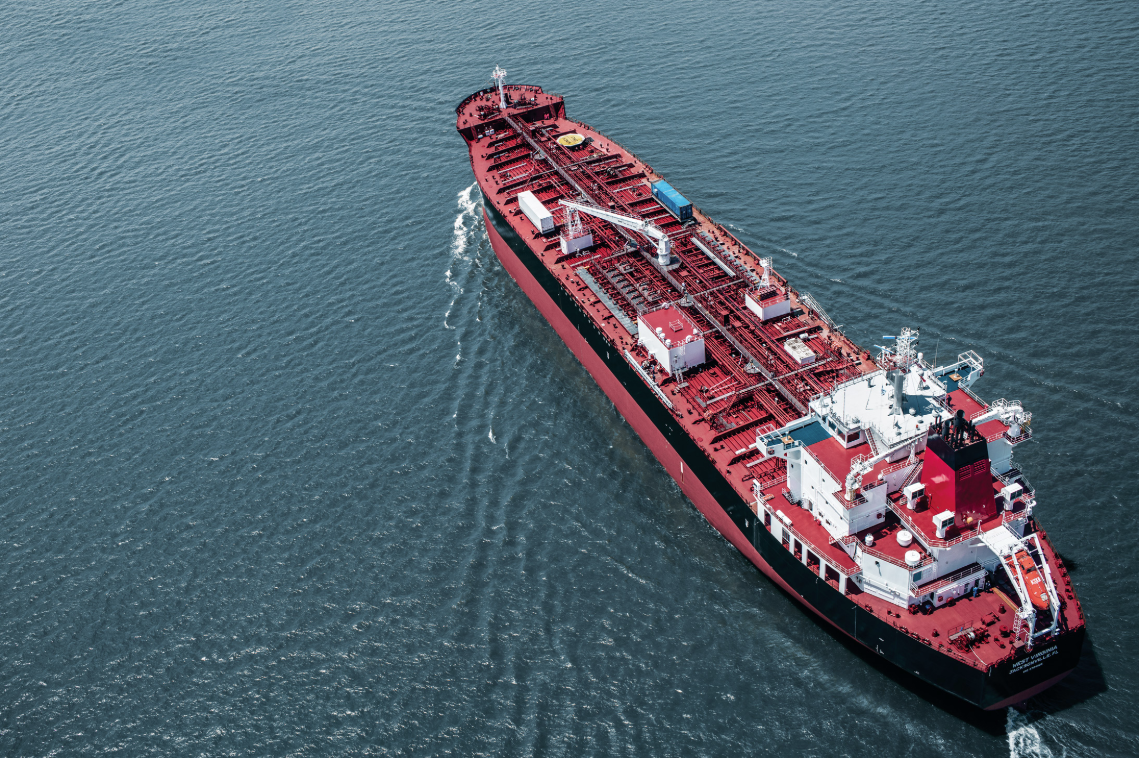
The Trump administration is moving to suspend the Jones Act, a 1920 maritime law that limits domestic waterborne cargo to American-built, American-flagged, American-crewed vessels. The suspension would let foreign-flagged tankers move oil, gasoline, and other petroleum products between U.S. ports, trade that ships are currently barred from touching.
Press Secretary Karoline Leavitt said the administration is looking at a temporary waiver in the interest of national defense, to keep energy products and agricultural goods moving to U.S. ports. Trump, in a radio interview, called the Jones Act a "restrictive act" while acknowledging its support in Congress. As of March 13, no final decision had been announced, though the oil and shipping industry had already been told to prepare. An initial 30-day period has been discussed.
The Law Itself
The Merchant Marine Act of 1920 was built around a straightforward premise: cargo moving between two American ports belongs on American ships. Built here, flagged here, crewed here. The purpose was to keep a domestic merchant fleet large enough to be useful in wartime.
The cost of that requirement shows up in freight rates. Moving crude or refined products along the Gulf Coast to East or West Coast markets on a Jones Act-compliant tanker runs roughly three to four dollars per barrel more than the same trip on a foreign-flagged vessel. That spread gets passed somewhere down the line.
Waivers exist but don't get used often. Homeland Security and the Defense Department each have authority to suspend the law when national defense requires it. Post-hurricane waivers have been issued before. Using that authority during an active military conflict and a domestic fuel price spike is a different situation.
The Pressure Behind It
The conflict with Iran has strangled tanker traffic through the Strait of Hormuz. The disruption pushed U.S. gasoline prices up roughly 60 cents per gallon from when the fighting started, according to AAA figures cited in reporting around the waiver discussions.
The Jones Act move is one piece of a broader response. The administration announced a release of 172 million barrels from the Strategic Petroleum Reserve over about 120 days, part of a coordinated 400-million-barrel drawdown among International Energy Agency members. Certain sanctions on Russian oil have been adjusted. The waiver is being considered alongside those steps.
The connection between the waiver and the reserve release is operational. Moving 172 million barrels from storage to coastal markets requires ships. Suspending the Jones Act expands the available fleet for those moves and potentially lowers what it costs to get those barrels where they need to go. Industry players were already being told to think through how foreign-flagged tankers currently handling imports could be redirected to take on coastwise runs as well.
Who's For It, Who Isn't
The Jones Act has real political staying power. Maritime unions and domestic shipbuilders have defended it for decades as both a jobs protection and a genuine national security asset. Their argument against a waiver is consistent: suspending the law, even temporarily, erodes the domestic fleet over time and weakens the case for keeping it in place.
Agricultural interests have come down on the other side. The American Farm Bureau has backed a waiver specifically to protect fertilizer shipments and keep agricultural supply chains intact.
Refiners and consumer groups have generally argued that Jones Act compliance inflates costs and limits options in exactly the situations when flexibility matters most. That argument is getting more traction now than it usually does. Some analysts have pointed to the current waiver discussion as a case study for the law's limitations, noting that a law requiring an emergency carve-out every time a real supply crisis hits may be worth a harder look.
The administration has tried to manage those competing pressures by framing the waiver narrowly as a time-limited national defense exception, not a challenge to the law's underlying existence.
What Changes and What Doesn't
A waiver opens domestic coastal routes to foreign-flagged tankers for however long the suspension runs. Gulf to East Coast, Gulf to West Coast, port to port, movements that currently require Jones Act-compliant ships could be handled by a larger pool of vessels. Analysts have described that as likely to push down the price gap between coastal fuel markets, though by how much is not settled.
The bigger question is how much any of this moves the number that matters to most people, which is the price at the pump. Global tanker rates are already high because of the conflict. The Jones Act is one friction point in a supply chain with several of them, and removing it addresses part of the problem without addressing all of it.
The same caveat applies to the SPR release. These are tools with real effects and real limits. How narrow or broad the eventual waiver turns out to be — whether it covers crude and refined products only, or extends to liquefied natural gas, fertilizer, and agricultural goods — will determine how much practical difference it makes.
Author

We cover the world’s chaos so you don’t have to scroll twelve feeds to understand it.
Sign up for Atlas newsletters.
Stay up to date with curated collection of our top stories.